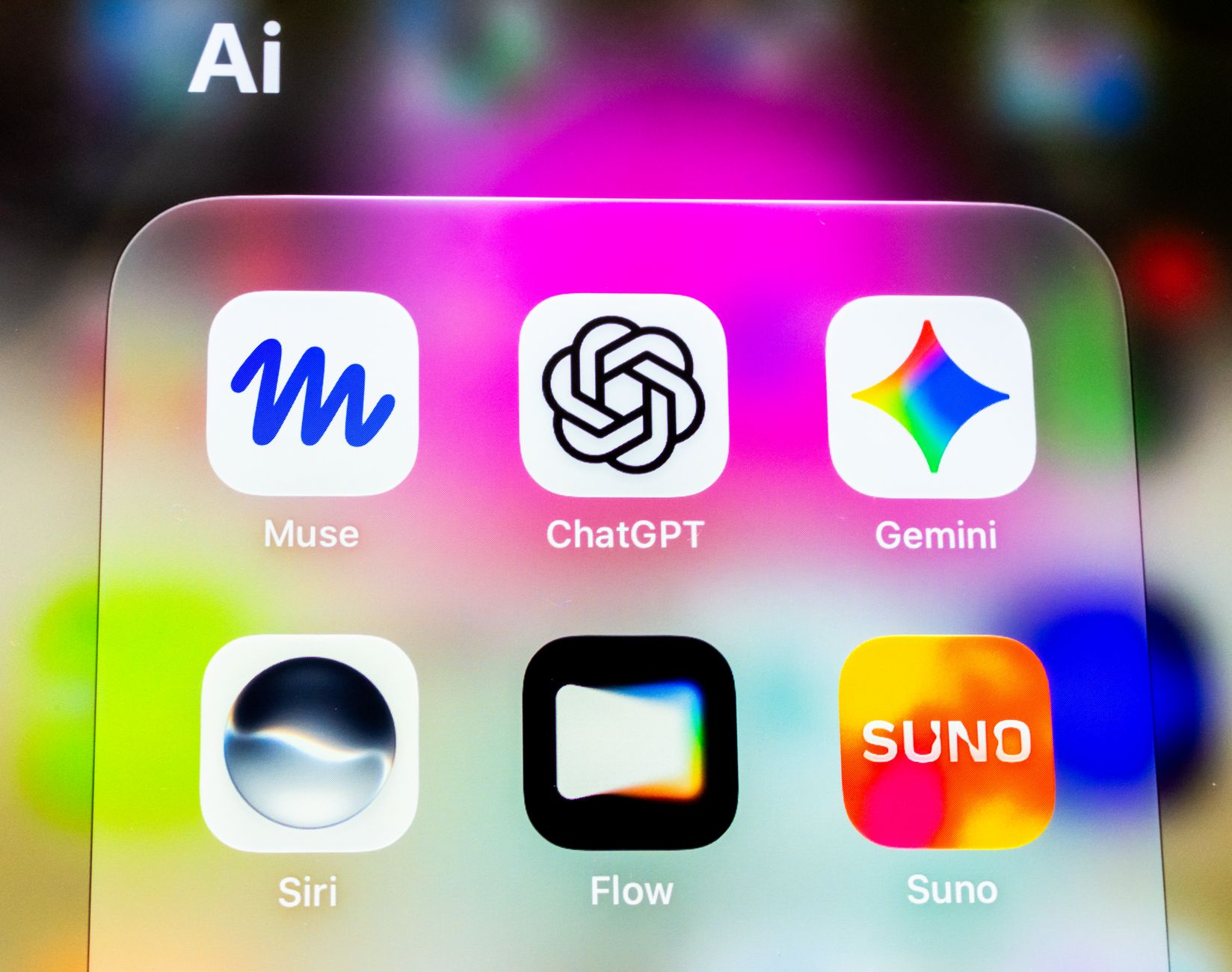
Meta has released a Chrome‑sidebar extension that embeds its Muse AI agent directly into the browser, and the rollout already counts roughly 200,000 active users, according to chief AI officer Alexandr Wang’s announcement on X. The extension operates only within a dedicated group of tabs and is designed to keep passwords, browsing history and Chrome settings out of the agent’s view.
Key Takeaways
- Meta’s Muse AI agent is now available as a Chrome‑sidebar extension, with 200,000 users reported on launch day.
- The extension runs in an isolated tab group and cannot access saved passwords, browsing history or Chrome settings.
- Meta’s hardware companion, the Muse Charm, will sell for $300 and includes up to 12 months of free 5G data from Verizon.
- Australia is the first market where Muse can link to Gmail, Google Calendar, Instagram and OpenTable, backed by local partners such as Canva and Kogan.
- Muse is powered by a dedicated “Muse Secure VM” that keeps payment credentials and passwords out of the AI’s reach.
| Metric | Value | Why it matters |
|---|---|---|
| Chrome extension users | 200,000 | Early adoption signal for Meta’s AI‑assistant strategy. |
| Muse Charm price | $300 | Sets a premium price point for a voice‑first AI hardware accessory. |
| Total Muse users since September | 10 million | Demonstrates rapid scaling of the broader Muse ecosystem. |
| Free 5G data included | Up to 12 months (Verizon) | Adds value to the hardware offering and encourages early adoption. |
What the Muse Chrome extension does
The Muse extension adds a persistent sidebar to Google Chrome, allowing the AI agent to answer queries, draft text and perform limited actions without leaving the browser window. According to the Chrome Web Store listing, Muse is confined to its own tab group and does not have visibility into saved passwords, browsing history or Chrome configuration settings. Users are warned that the agent may take “unexpected actions,” and any activity performed can appear in the user’s Google account.
The Muse Charm: hardware companion
Meta is pairing the software experience with a physical device called the Muse Charm, described as a keychain‑sized speaker for voice interaction. The Charm will retail for $300 and comes with a year of complimentary 5G data from Verizon. Development of a Meta smartwatch has been postponed to next year so resources can focus on the Charm, a shift confirmed after Mark Zuckerberg showcased the device at Meta Connect in September and promised a holiday‑season launch.
“We’re charmed by the interest in our AI devices, and we’ll have more to share soon,” Meta’s Tyler Yee told The Information.
User‑driven use cases and concerns
On Instagram, users have begun prompting Muse to identify and unfollow accounts that do not follow them back. A WIRED report highlighted a user who, after hearing of account bans linked to third‑party unfollow tools, decided to test Muse’s capability. The user’s experience suggests that Muse can execute such actions, though the broader risk of account suspension remains a concern.
Geographic rollout and partner ecosystem
Meta announced that Muse went live in Australia on a Tuesday, initially supporting integrations with Gmail, Google Calendar, Instagram and OpenTable. Local partners—including Canva, Domain, Kogan, Officeworks and Ticketek—are slated to join the ecosystem gradually, expanding the range of services that the AI can interact with on behalf of users.
Will Easton emphasized user control, stating, “People stay in control, including choosing what Muse can access and approving purchases before they happen.” This positioning underscores Meta’s effort to balance convenience with privacy safeguards.
Technical architecture and security model
Behind the user‑facing features, Muse runs on a dedicated “Muse Secure VM,” a cloud‑based virtual machine isolated from the rest of Meta’s infrastructure. This design keeps passwords and payment methods out of the AI’s direct view, aligning with the privacy claims made in the Chrome Web Store description.
Why it matters
Embedding an AI assistant directly into a browser sidebar represents a strategic move for Meta to capture everyday productivity workflows without requiring users to install separate applications. The combination of a privacy‑focused software layer, a premium hardware companion, and a growing partner network signals Meta’s ambition to compete in the emerging “AI‑as‑a‑service” space, where convenience, data security and hardware integration are decisive factors.
Frequently asked questions
Who announced the Muse Chrome extension?
Meta’s chief AI officer, Alexandr Wang, announced the extension in a post on X on Friday.
How many people are using the Muse Chrome extension?
Meta reported that roughly 200,000 users have adopted the extension since its launch.
What can the Muse Chrome extension access?
According to the Chrome Web Store listing, Muse cannot see saved passwords, browsing history, or Chrome settings, and it operates only within its own group of tabs.
What is the Muse Charm and how much does it cost?
The Muse Charm is a keychain‑sized voice device priced at $300, and it includes up to 12 months of free 5G data from Verizon.
Where has Muse been launched so far?
After an initial rollout that attracted 10 million users globally, Muse was officially launched in Australia, where it can connect to Gmail, Google Calendar, Instagram and OpenTable.
Bottom Line
Meta’s Muse AI agent is now available as a Chrome‑sidebar extension, already serving 200,000 users while promising strong privacy safeguards and a hardware companion priced at $300. The Australian launch and expanding partner ecosystem suggest a deliberate push to embed AI assistance into everyday web tasks, positioning Meta as a serious contender in the browser‑based AI assistant market.
Future updates are likely to broaden regional availability and deepen integration with third‑party services, making the Muse platform a focal point for Meta’s AI strategy.
Reporting based on: original source.
Comments
Post a Comment