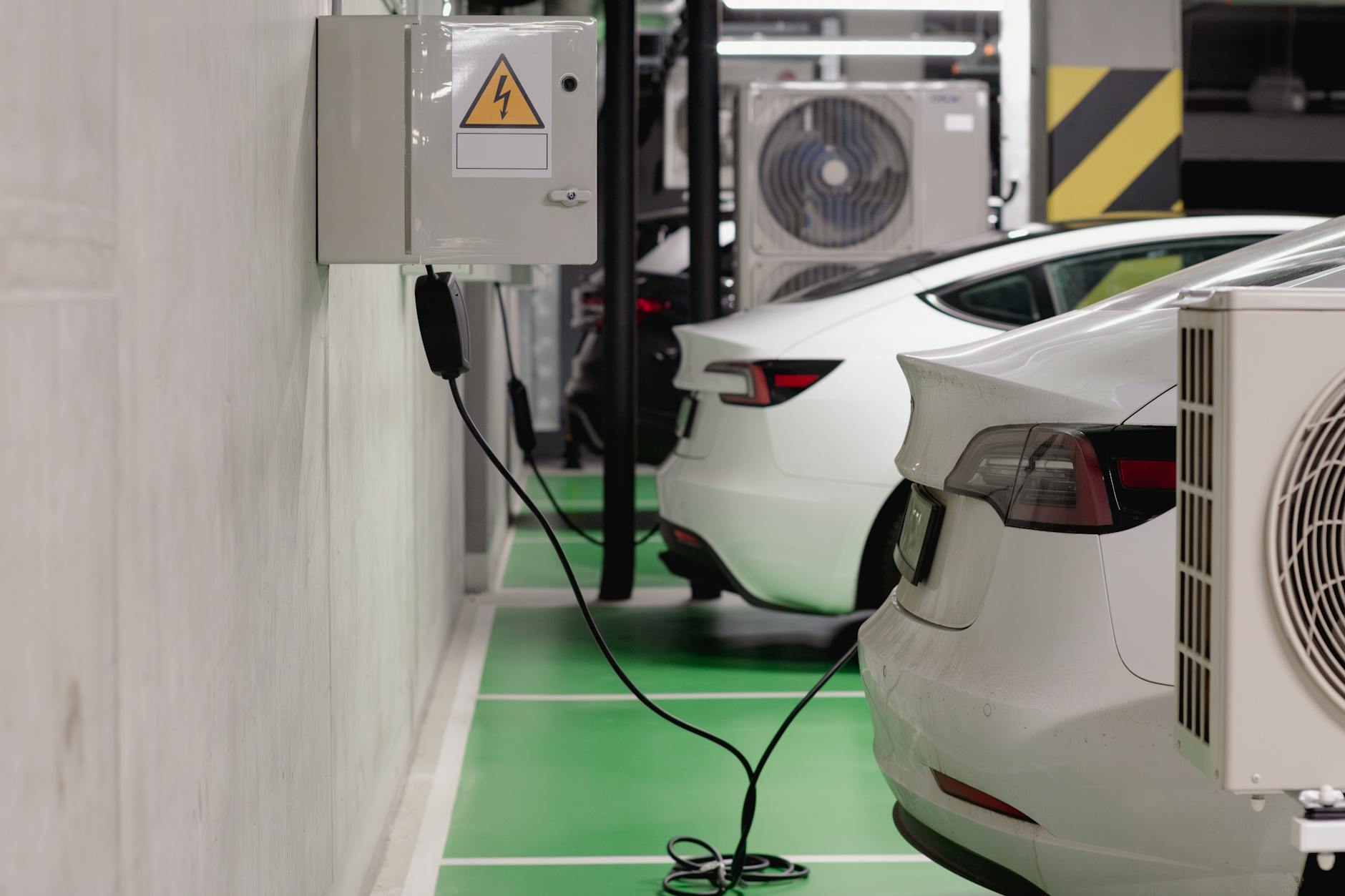
Electric‑vehicle batteries experience a small loss of charge whenever the vehicle is parked and locked, a phenomenon observed across models such as Tesla’s Model 3 and Rivian’s R1T. The drain becomes noticeable after multiple days or weeks of inactivity, regardless of location.
Key Takeaways
- Self‑discharge of lithium‑ion cells is negligible compared with other sources of drain.
- The Battery Management System periodically checks and may recharge low‑voltage systems.
- Connected services, third‑party apps, and optional surveillance features draw power while the car is idle.
- Tesla’s Model 3 and Rivian’s R1T illustrate manufacturer‑specific approaches to mitigating idle loss.
| Metric | Value | Why it matters |
|---|---|---|
| Battery charge loss while parked | small amount | indicates inevitable energy drain even when the vehicle is not in use |
| Manufacturer example – Tesla | Model 3 | provides system‑check and maintenance details that address idle drain |
| Manufacturer example – Rivian | R1T | uses a high‑voltage battery to keep its 12 V system alive |
| Affected users | vehicle owners/drivers | experience the cumulative effect of idle drain over time |
What Causes Idle Drain in EV Batteries?
Lithium‑ion cells naturally self‑discharge through electrolyte oxidation/reduction, a process described as negligible compared with other losses. The primary contributors to the observed drain are the vehicle’s Battery Management System (BMS), which runs periodic health checks and may top up low‑voltage (12 V) subsystems, and the suite of connected services that remain active while the car is locked. These services include remote app requests, climate‑control preconditioning, and infotainment system standby functions.
Third‑party applications that repeatedly wake the vehicle add additional load, and optional surveillance features—such as Tesla’s Sentry Mode and Rivian’s comparable offering—consume power continuously to monitor the surroundings.
Manufacturer Strategies to Mitigate the Drain
Tesla’s Model 3 incorporates system‑check routines that inform owners of battery health and schedule maintenance, helping to manage the BMS‑induced recharge cycles. Rivian’s R1T leverages its high‑voltage battery pack to sustain the auxiliary 12 V battery, ensuring that essential low‑voltage electronics remain operational without excessive draw from the main pack.
Effect of Parking Duration
The loss becomes more apparent when a vehicle remains parked and locked for extended periods—multiple days or weeks. Short‑term parking typically results in an imperceptible drop, while longer idle times allow the cumulative effect of BMS checks, connected services, and any active surveillance features to manifest as a measurable reduction in state‑of‑charge.
Practical Considerations for Owners
Owners should be aware that any active connected service, third‑party app, or optional feature contributes to the overall drain. Disabling non‑essential remote functions, limiting the use of surveillance modes, and managing third‑party app permissions can reduce the rate of charge loss during prolonged parking.
Why It Matters
Understanding the sources of idle drain helps owners plan for realistic range expectations, especially in scenarios where a vehicle may sit unused for days. It also informs manufacturers’ development priorities, encouraging more efficient BMS algorithms and smarter power‑management for connected services.
Frequently Asked Questions
Why does my EV lose charge while it’s parked?
The loss stems from the BMS performing health checks, connected services remaining active, third‑party apps waking the vehicle, and optional surveillance features drawing power.
Which components consume power when the car is idle?
Self‑discharge of the lithium‑ion cells, the BMS’s periodic checks, low‑voltage (12 V) system recharging, remote app communication, climate‑control standby, infotainment standby, third‑party app wake‑ups, and surveillance modes all contribute.
Do Tesla’s Sentry Mode and Rivian’s surveillance features increase drain?
Yes, both optional surveillance features remain active while the vehicle is parked, adding to the overall power consumption.
How long can an EV stay parked before the charge loss becomes noticeable?
The effect is minor over a single day but becomes noticeable after multiple days or weeks of continuous parking.
Who is responsible for monitoring the battery’s health during idle periods?
Vehicle owners/drivers receive system‑check information from the manufacturer’s BMS, which alerts them to any significant changes.
Bottom Line
EVs inevitably lose a small amount of charge while parked due to a combination of natural self‑discharge, BMS activity, connected services, third‑party app interactions, and optional surveillance features. Manufacturers such as Tesla and Rivian address the issue through system‑check protocols and high‑voltage support for auxiliary batteries, but owners must still manage active services to minimize idle drain.
Future advancements in BMS efficiency and smarter power‑management for connected features are expected to further reduce the impact of idle drain on electric‑vehicle range.
Reporting based on: original source.
Comments
Post a Comment