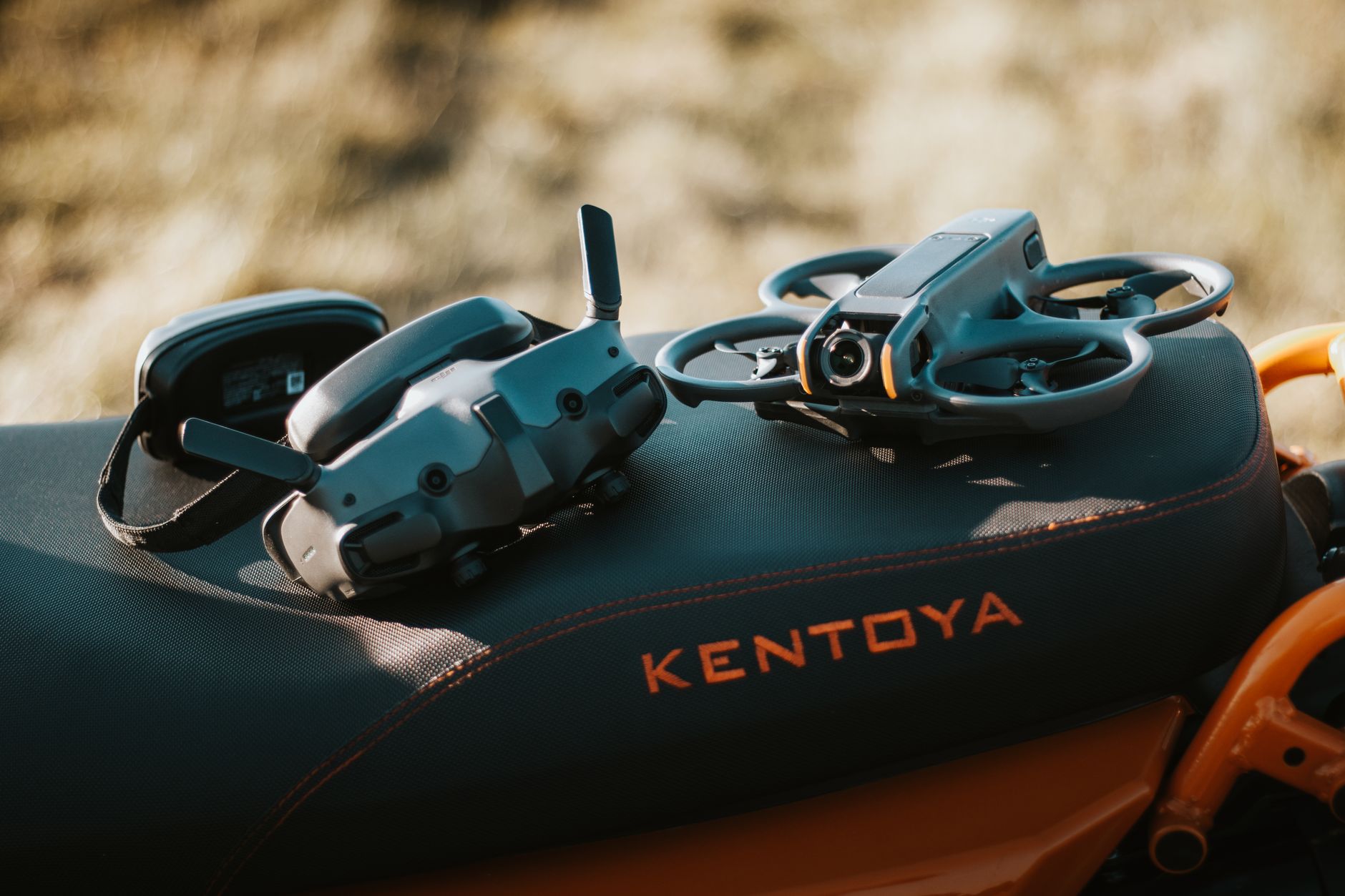
Ukrainian D·Vision SDR detector streams live video from intercepted Russian drones; fiber‑optic FPV drones add acoustic surveillance up to 30 m
Kyiv‑based CODE380 has deployed D·Vision SDR, a software‑defined‑radio (SDR) system that converts intercepted Russian drone communications into a real‑time video feed, while Ptashka Drones has equipped its fiber‑optic FPV drones with microphones capable of hearing enemy soldiers and vehicles from tens of metres away.
Key Takeaways
- D·Vision SDR scans 500 MHz – 8,700 MHz, turning intercepted signals into live video for operators on the ground.
- The detector is built on a software‑defined‑radio platform, allowing firmware updates roughly twice a month to keep pace with shifting Russian frequencies.
- Ptashka Drones’ fiber‑optic FPV drones carry microphones that pick up loud conversation at 20‑30 m, light vehicles at 50‑100 m, and heavy vehicles at up to 200 m.
- Both systems have undergone combat testing with Ukrainian forces and are part of a broader effort to give troops visual and acoustic situational awareness.
| Metric | Value | Why it matters |
|---|---|---|
| Device name | D·Vision SDR | Identifies and visualises enemy drone feeds in real time. |
| Frequency range | 500 MHz – 8,700 MHz | Covers all common UAV control and video bands, eliminating blind spots. |
| Software‑update cadence | ~ twice per month | Keeps the detector aligned with rapidly changing Russian RF tactics. |
| Company founding | ~ three months ago | Shows rapid development from concept to fielded system. |
What D·Vision SDR does and how it works
D·Vision SDR is a handheld detector that captures the radio link between a Russian UAV and its operator, decodes the embedded video stream, and presents the footage to a soldier in the field. The core technology is a software‑defined radio that digitises a slice of the spectrum and processes it in software, rather than relying on fixed analog receivers tuned to specific bands.
Software‑defined radio versus traditional analog detectors
Conventional frontline detectors employ analog front‑ends that are hard‑wired to the frequencies used for UAV control and video. By contrast, the SDR architecture of D·Vision SDR can be re‑programmed on the fly; a new firmware push can retune the device to a different band without any hardware changes. This flexibility matches findings from a 2022 Sensors journal survey, which highlighted SDR platforms as the most adaptable solution for spotting small drones.
Combat testing and iterative updates
Ukrainian troops have field‑tested D·Vision SDR during active operations, providing feedback that drives bi‑monthly software releases. The rapid update cycle is critical because Russian drone control frequencies and telemetry protocols have been observed to shift on a near‑weekly basis. A detector that cannot keep up would become obsolete within weeks of a new offensive.
Acoustic awareness through fiber‑optic FPV drones
On the same day the detector was reported, Ptashka Drones announced a modification to its fiber‑optic FPV platforms: integrated microphones that can discern enemy sounds. According to the manufacturer, the microphones capture loud conversation at 20‑30 m, light vehicles at 50‑100 m, and heavy vehicles at up to 200 m. The drones, nicknamed “zhdun” (waiter) drones, can loiter near expected enemy routes, listening for movement without exposing themselves by moving or using a camera.
Broader Ukrainian counter‑drone ecosystem
D·Vision SDR is part of a growing suite of Ukrainian tools that intercept enemy UAV feeds. Babai’s Vydun 7.5, for example, can tap Russian drone video streams and track UAVs several kilometres away. The convergence of visual and acoustic intelligence aims to give ground forces a clearer picture of incoming threats, allowing faster decisions about cover, jamming, or engagement.
Why it matters
Both the SDR‑based detector and the sound‑sensing drones address a critical gap in modern battlefield awareness: the ability to see and hear what the adversary sees and hears. By delivering live video from an enemy drone, D·Vision SDR lets soldiers assess whether they are being targeted and choose an appropriate response. The acoustic capability of the fiber‑optic drones adds a passive early‑warning layer, enabling units to relocate before a strike lands. Their effectiveness, however, hinges on continual adaptation; as Russian UAVs evolve their RF signatures and tactics, the Ukrainian tools must be updated at comparable speed.
Frequently asked questions
Who developed D·Vision SDR?
The detector was created by CODE380, a communications‑equipment company based in Kyiv.
What frequency range does the detector cover?
It scans the spectrum from 500 MHz up to 8,700 MHz, a range the developers claim leaves no blind spots.
How often are software updates released?
CODE380 ships firmware updates roughly twice a month, allowing the system to adapt to new Russian drone frequencies.
What acoustic ranges can the modified FPV drones detect?
The integrated microphones can pick up loud conversation at 20‑30 m, light vehicles at 50‑100 m, and heavy vehicles at up to 200 m.
Are these systems already in use?
Both D·Vision SDR and the microphone‑equipped fiber‑optic drones have undergone field testing with Ukrainian military personnel during combat missions.
Bottom Line
CODE380’s D·Vision SDR demonstrates how software‑defined radio can turn intercepted UAV signals into actionable live video, while Ptashka Drones’ acoustic upgrade gives Ukrainian forces a silent, early‑warning capability. Their shared emphasis on rapid software updates reflects the fast‑changing nature of the conflict, making adaptability the decisive factor in maintaining battlefield awareness.
Reporting based on: original source.
Comments
Post a Comment