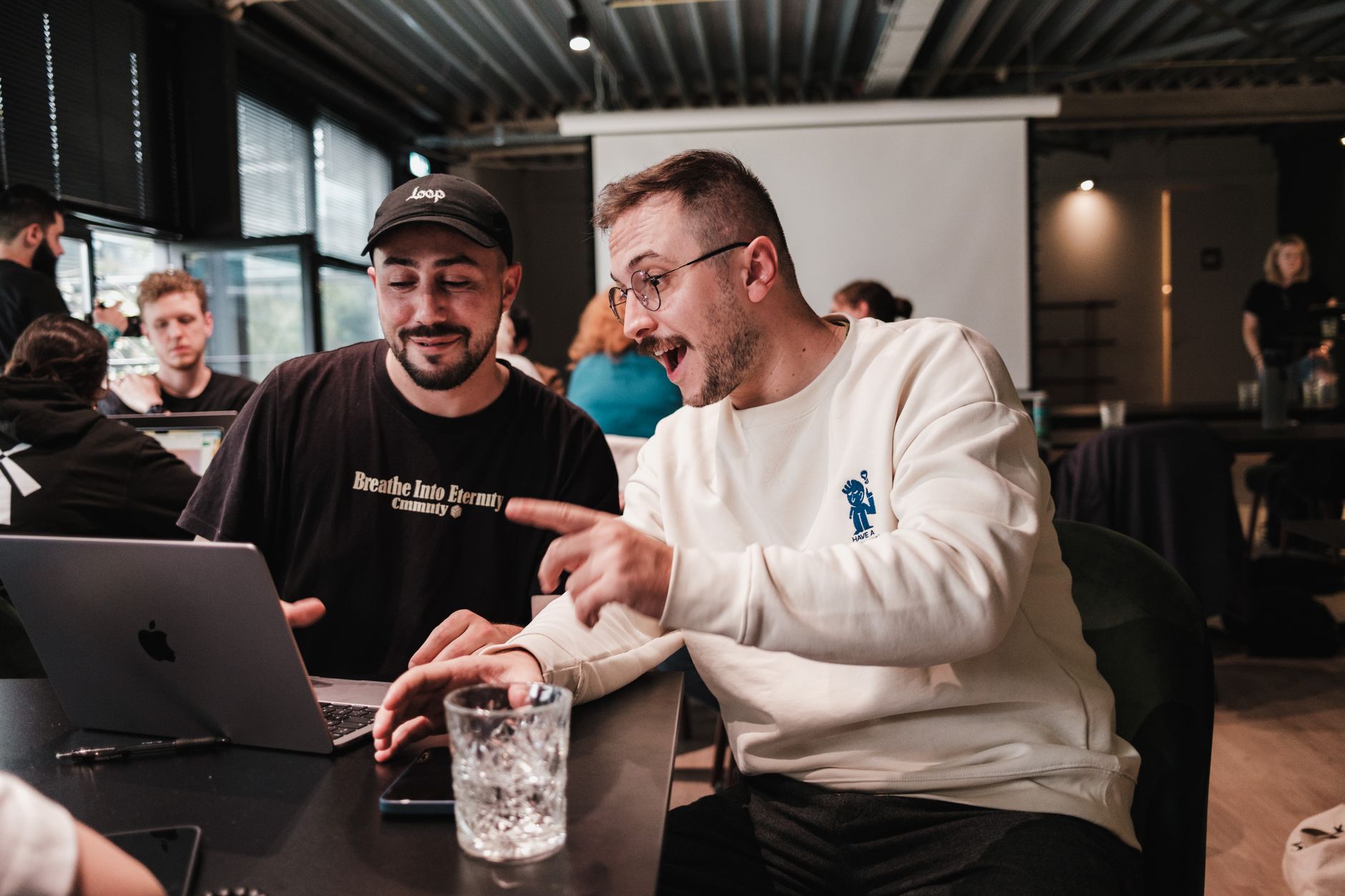
A panel titled “The Power of Proximity” was held as part of the Wave by Vento event in Turin, where Roxanne Varza, Director of Station F, and Aiden Blake, Head of Startup Sales for Europe, the Middle East and Africa at Anthropic, debated how the current AI boom is nudging startups back toward physical collaboration. The conversation was moderated by journalist Charlie Perreau of Les Echos.
Key Takeaways
- The “Power of Proximity” panel examined the AI‑driven shift toward in‑person startup teamwork.
- The discussion took place at the Wave by Vento conference in Turin.
- Station F’s director Roxanne Varza and Anthropic’s Aiden Blake provided the primary industry viewpoints.
- Charlie Perreau of Les Echos served as moderator, framing the dialogue.
- The event highlighted how AI growth is influencing the geography of early‑stage innovation.
| Metric | Value | Why it matters |
|---|---|---|
| Event | Wave by Vento (Turin) | Showcases European AI ecosystem and startup networking. |
| Panel Title | The Power of Proximity | Frames the debate on physical collaboration amid AI growth. |
| Key Participants | Roxanne Varza (Station F), Aiden Blake (Anthropic), Charlie Perreau (Les Echos) | Brings together perspectives from incubation, AI startup sales, and journalism. |
The Panel and Its Participants
The discussion brought together three distinct voices. Roxanne Varza, who leads the world‑largest startup campus Station F in Paris, offered insight into how incubators are adapting to a surge in AI‑focused ventures. Aiden Blake, responsible for Anthropic’s startup sales across Europe, the Middle East, and Africa, described the market demand for AI services and the logistical benefits of co‑location. Moderator Charlie Perreau, a journalist with Les Echos, steered the conversation toward concrete examples of proximity‑driven collaboration.
Why Proximity Is Gaining Traction in an AI‑Heavy Market
Panelists agreed that the rapid pace of AI model development—often requiring shared GPU clusters, joint data‑labeling efforts, and synchronized SDK releases—creates friction when teams are dispersed. Physical proximity, they argued, shortens feedback loops, eases access to high‑performance hardware, and fosters the informal exchanges that spark product pivots. The “Power of Proximity” theme therefore reflects a pragmatic response to the technical demands of large‑scale LLM training and deployment.
Station F’s Position in the AI Landscape
As Director of Station F, Varza highlighted the campus’s recent initiatives to attract AI‑centric founders, including dedicated GPU‑rich labs and partnership programs with cloud providers. While the source does not detail specific metrics, the emphasis on in‑person resources signals a strategic shift from purely virtual incubator models to hybrid environments that can accommodate the compute‑intensive nature of modern AI research.
Anthropic’s View on European Startup Sales
Blake’s role at Anthropic involves scaling the company’s outreach to early‑stage AI startups across three continents. He noted that European founders are increasingly seeking on‑site mentorship and access to specialized hardware, reinforcing the panel’s thesis that proximity can accelerate go‑to‑market timelines for AI products.
Context: The Broader AI Boom and Physical Collaboration
The AI boom has generated a wave of capital inflows, prompting a surge in new ventures that require sophisticated infrastructure. This environment has revived interest in co‑working spaces, accelerator campuses, and regional hubs where hardware, talent, and investors intersect. The Turin panel serves as a microcosm of this trend, illustrating how European ecosystems are re‑evaluating the balance between remote work and the tangible benefits of shared spaces.
Why it matters
Understanding the renewed emphasis on proximity helps founders decide where to locate their teams, investors to allocate resources, and policy makers to design supportive infrastructure. As AI models grow larger and more collaborative, the physical environment may become a decisive factor in a startup’s ability to iterate quickly and secure market traction.
Frequently asked questions
What was the main focus of the “Power of Proximity” panel?
The panel explored how the current AI boom is encouraging startups to resume in‑person collaboration, emphasizing the technical and strategic advantages of physical proximity.
Who moderated the discussion?
Charlie Perreau, a journalist for Les Echos, served as the moderator.
Which organizations were represented by the speakers?
Roxanne Varza represented Station F, while Aiden Blake spoke on behalf of Anthropic.
Where did the event take place?
The discussion was part of the Wave by Vento conference held in Turin.
Why should startups consider physical collaboration in the AI era?
Physical collaboration can reduce latency in feedback cycles, provide shared access to high‑performance compute resources, and foster spontaneous idea exchange—factors that are especially valuable when developing large language models and other compute‑intensive AI systems.
Bottom Line
The “Power of Proximity” panel at Wave by Vento highlighted a clear shift: as AI development intensifies, European startups are increasingly valuing in‑person ecosystems, with Station F and Anthropic exemplifying the move toward shared physical spaces that accelerate innovation.
Observing how proximity influences AI startup dynamics will be essential for anyone tracking the next wave of European tech growth.
Reporting based on: original source.
Comments
Post a Comment