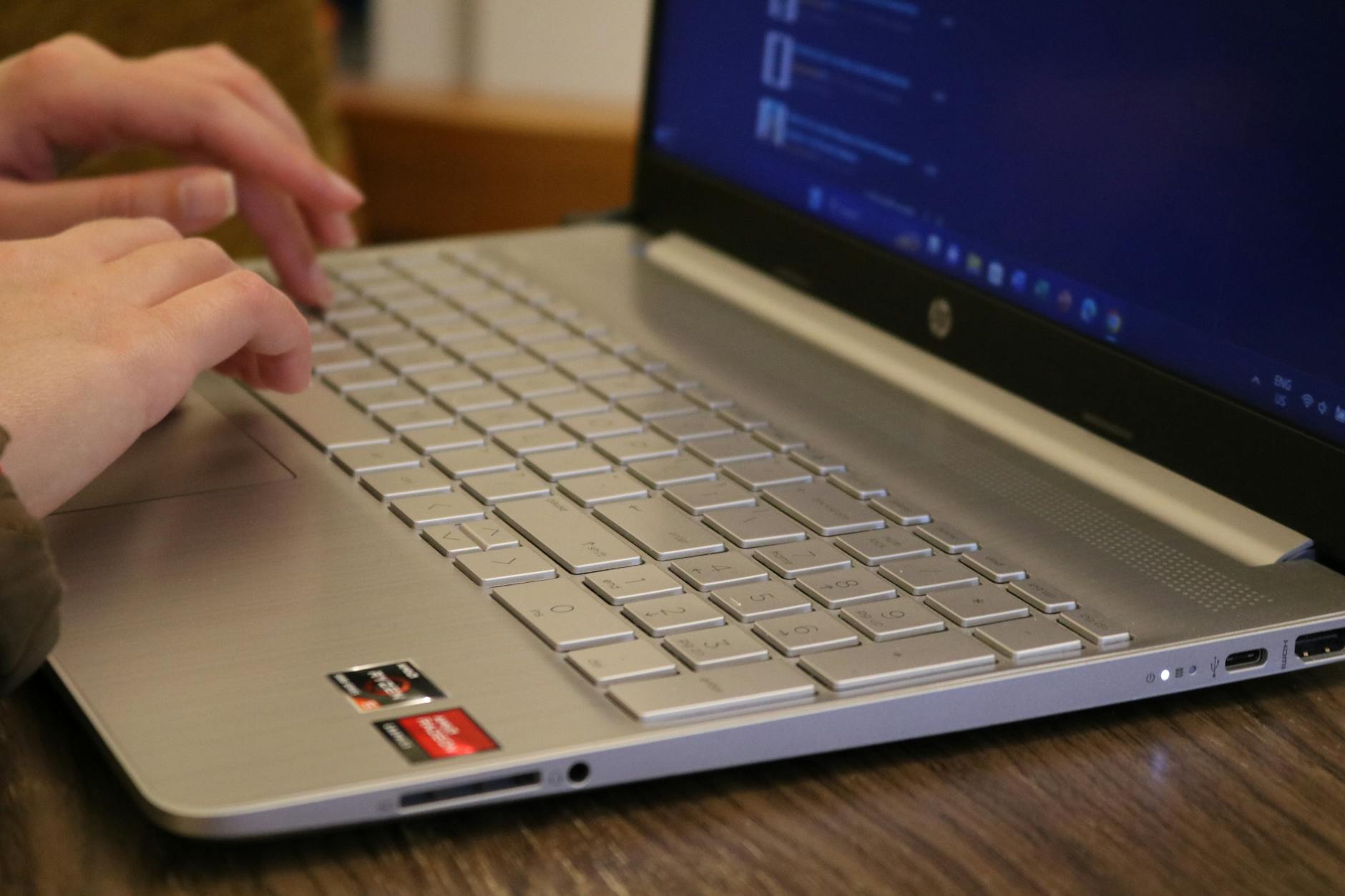
Quanta Computer, the Taiwanese contract manufacturer that assembles a large share of HP’s laptops, reportedly stopped producing HP notebooks for about a week in September 2026 after price negotiations broke down. The halt was triggered by a dispute over the cost of ODM‑bought components such as PCBs, batteries and power chips, while HP had already absorbed most memory, CPU and GPU expenses directly.
Key Takeaways
- Quanta halted HP notebook production for roughly one week in September 2026.
- The dispute centered on the cost of ODM‑bought parts—PCBs, batteries, power chips—while HP sourced CPUs, GPUs and RAM directly.
- Production resumed after HP executives negotiated a price increase that Quanta accepted.
- Quanta’s server business, now driven by AI demand, accounts for up to 80 % of its revenue.
- HP’s 4.2 million notebooks shipped in September 2026 show no obvious production gap.
| Metric | Value | Why it matters |
|---|---|---|
| Production halt duration | ~1 week (September 2026) | Highlights the scale of the dispute. |
| Key person involved | C.C. Leung, Quanta co‑founder and vice chairman | Directly ordered the production stop. |
| Notable shipment figure | 4.2 million notebooks shipped in September 2026 | Shows no obvious production gap. |
What Triggered the Production Stop?
According to DigiTimes, Quanta leveraged its growing server business—now a major driver of revenue thanks to AI demand—to pressure HP into paying higher prices for the parts it sourced on its own account. The components in question included printed circuit boards, passive components, lithium batteries, power‑management chips and Wi‑Fi chips, all of which have recently seen price pressure.
Quanta’s co‑founder and vice chairman, C.C. Leung, reportedly ordered the halt once September negotiations stalled. Production resumed only after senior HP executives stepped in and agreed to a cost adjustment that Quanta accepted.
HP’s Cost Structure and the Dispute
HP sources the most expensive components—GPUs, CPUs and RAM—directly from suppliers and has already passed those price increases on to consumers. The parts that Quanta buys on its own account are a different set; when their prices rise, the cost falls on Quanta unless the contract is renegotiated. Switching to cheaper alternatives would require redesign, certification and one‑time engineering fees.
Heise reported that HP had refused to share rising production costs and insisted on previously agreed prices, a stance that differed from other PC brands. HP sent supply‑chain executives to Taiwan to negotiate directly with Leung, a move that ultimately led to the price hike Quanta accepted.
Legal and Competitive Context
HP and Quanta have a history of legal disputes. In June 2020, HP won a $438.7 million optical‑drive price‑fixing judgment against Quanta Storage, a Quanta subsidiary, before settling confidentially. This backdrop underscores the intensity of the current negotiations.
Quanta’s server business now makes up as much as 80 % of its revenue, driven by the surge in AI demand. The company also builds laptops for Apple, including the MacBook Neo, and for other customers. This diversification means that a one‑week production stop for HP did not visibly dent overall shipment numbers.
Impact on the Supply Chain
Quanta’s September shipment figures—4.2 million notebooks—show a 61.5 % increase from August and an 8.7 % decrease from a year earlier, according to an Anue report. The absence of a noticeable September gap suggests that either finished inventory covered the shortfall or production caught up before the month closed.
However, the incident highlights the vulnerability of OEMs to price swings in components that are not directly sourced. HP’s competitors may take note, potentially renegotiating their own contracts to mitigate similar risks.
Why It Matters
The episode illustrates how shifts in component pricing—driven in part by AI‑related demand—can ripple through the laptop supply chain. Even a major OEM like HP can face production disruptions when its contract manufacturer’s cost structure is strained. For consumers, the downstream effect is a potential rise in notebook prices, as HP has already passed on higher component costs. For the industry, the incident signals a possible shift toward more flexible, cost‑sharing agreements between OEMs and ODMs.
Frequently Asked Questions
Who ordered the production halt?
C.C. Leung, Quanta’s co‑founder and vice chairman, personally ordered the halt once September negotiations stalled.
What components were at the center of the dispute?
The dispute focused on ODM‑bought parts: printed circuit boards, passive components, lithium batteries, power‑management chips and Wi‑Fi chips.
Did HP comment on the incident?
HP has not commented publicly. Quanta stated it does not respond regarding individual customers.
How did Quanta’s server business affect the situation?
Quanta’s server business, now a major revenue driver due to AI demand, gave it leverage to pressure HP into higher prices.
What was the outcome of the negotiations?
HP executives negotiated a price increase that Quanta accepted, leading to the resumption of notebook production.
Bottom Line
Quanta’s week‑long halt of HP notebook production in September 2026, triggered by a price dispute over ODM‑bought components, underscores the fragility of the laptop supply chain in a market where AI demand is reshaping component costs. While the immediate impact on shipment numbers was muted, the incident signals that OEMs and ODMs may need to revisit their cost‑sharing arrangements to safeguard against similar disruptions in the future.
Reporting based on: original source.
Comments
Post a Comment