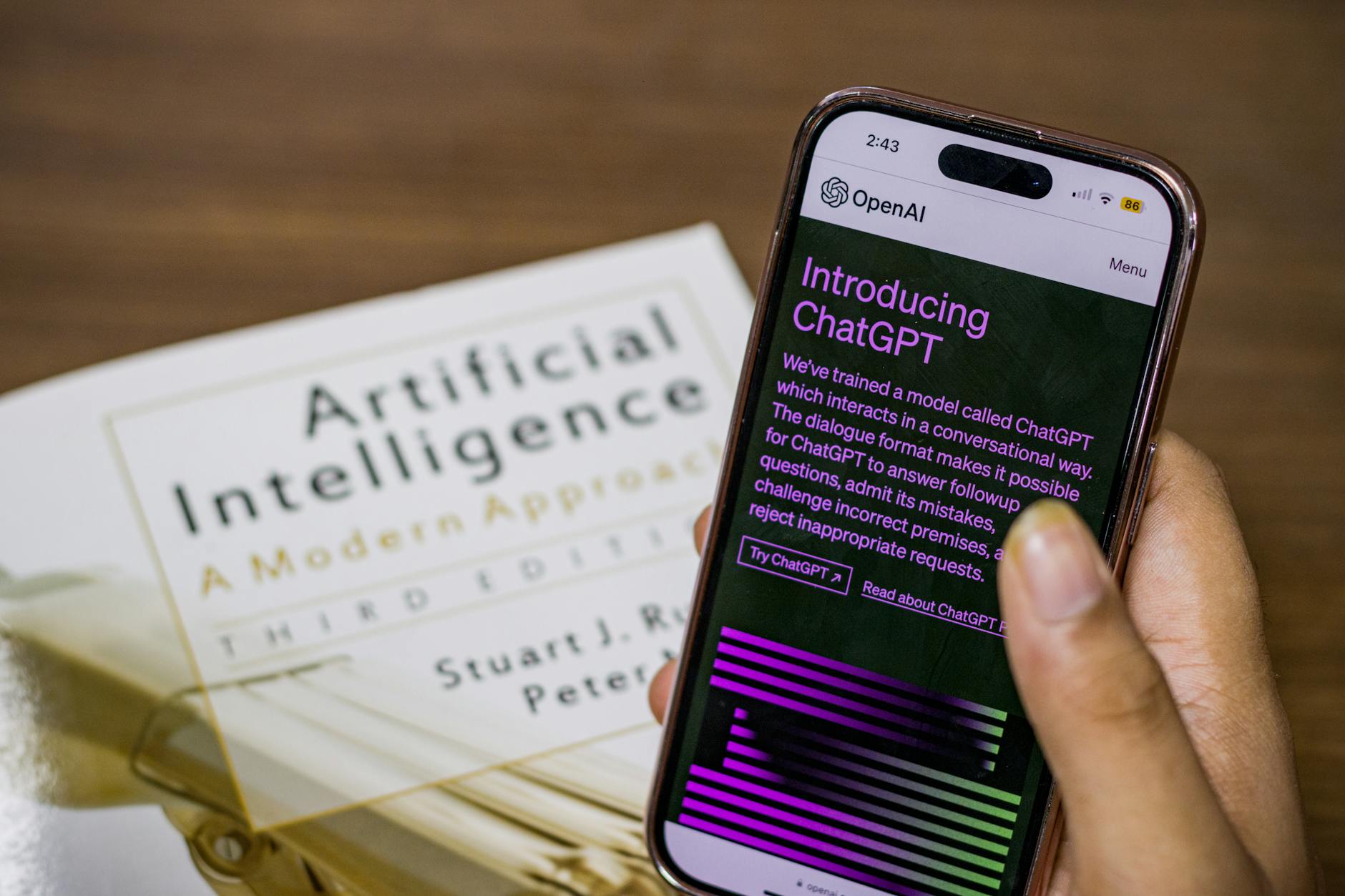
Qualcomm chief executive Cristiano Amon told analysts that AI companies are pressing for smartphones capable of running “at least a hundred‑billion‑parameter model” by 2028, and they expect the model to operate “kind of all the time.” He pointed to ByteDance’s Doubao phone, built by Nubia in China, as an early AI‑focused device and hinted that additional models are on the horizon.
Key Takeaways
- AI firms want smartphones to run 100‑billion‑parameter models continuously by 2028.
- RAM costs have surged five‑to‑six‑fold, contributing to a 20 % market contraction this year.
- Qualcomm sees “pent‑up demand” and estimates 1.2 billion phones will be bought annually.
- Smart glasses are projected to reach 50‑60 million units, with roughly 40 designs using Qualcomm chips.
| Metric | Value | Why it matters |
|---|---|---|
| CEO | Cristiano Amon | Guides Qualcomm’s AI‑hardware roadmap. |
| Target model size | 100 billion parameters (by 2028) | Sets a benchmark for on‑device AI capability. |
| RAM price increase | Five‑to‑six times higher | Erodes margins for mid‑range smartphones. |
| Smartphone market decline | 20 % this year | Highlights pressure on volume segments. |
| Annual phone purchases | ~1.2 billion units | Indicates sustained consumer appetite. |
| Smart‑glasses market estimate | 50‑60 million units | Shows a growing adjacent opportunity for Qualcomm. |
The 100‑Billion‑Parameter Ambition
Running a model of that scale on a handset requires a combination of high‑throughput GPU cores, large on‑chip memory, and efficient inference SDKs. Amon emphasized that the expectation is for the model to be active “kind of all the time,” meaning power‑aware scheduling and low‑latency APIs will be critical. On‑device execution also preserves user context—sensor streams, personal data, and the specific apps an AI agent interacts with—reducing reliance on cloud inference.
Early AI‑Centric Phones: Doubao and the OpenClaw Initiative
ByteDance’s Doubao phone, manufactured by Nubia, serves as a proof‑of‑concept for the AI‑first smartphone. Qualcomm’s “OpenClaw” platform, launched alongside the discussion, aims to standardize the AI‑smartphone stack, providing developers with a unified API layer to tap into Qualcomm’s AI Engine, DSP, and GPU resources.
“At least a hundred‑billion‑parameter model” – Cristiano Amon
Cost Pressures and Market Dynamics
The surge in RAM pricing—up five to six times—has hit mid‑range and budget devices hardest, contributing to a 20 % contraction in the overall smartphone market this year. Premium flagships, however, have shown resilience, partly because they can absorb higher component costs and still command strong margins.
Demand Landscape: Pent‑Up Appetite
Amon rejected the notion that demand is waning, describing it as “pent‑up demand.” He projected that roughly 1.2 billion phones will be purchased annually, underscoring a sizable addressable base for next‑generation AI features.
Wearables Outlook: Smart Glasses
Beyond phones, Qualcomm is bullish on smart glasses, estimating a market of 50‑60 million units and noting that about 40 designs already incorporate Qualcomm chips. This signals a diversification of AI workloads toward mixed‑reality form factors.
Why it matters
If manufacturers can deliver on‑device 100‑billion‑parameter inference, the user experience will shift from cloud‑dependent responses to instantaneous, privacy‑preserving interactions. The RAM price spike and market dip could slow adoption, but the projected volume of phone sales and the emerging smart‑glasses segment provide a runway for Qualcomm’s AI silicon roadmap.
Frequently asked questions
Which phone is currently the reference for AI‑first design?
ByteDance’s Doubao phone, produced by Nubia, is cited as an early example of an AI‑focused smartphone.
What is the OpenClaw platform?
OpenClaw is Qualcomm’s initiative to clarify the AI‑smartphone concept, offering a standardized API and SDK stack for developers to leverage on‑device AI engines.
How are rising RAM costs affecting smartphone releases?
RAM prices have risen five to six times, which has contributed to a 20 % decline in the overall smartphone market this year, especially hurting mid‑range and low‑cost models.
What is the projected size of the smart‑glasses market?
Qualcomm estimates the market will reach 50‑60 million units, with roughly 40 designs already using its chips.
How many phones does Qualcomm expect to be sold each year?
Amon estimated that buyers purchase about 1.2 billion phones annually.
Bottom Line
Qualcomm’s leadership signals a clear push toward on‑device AI at a scale previously reserved for data‑center models, while cost pressures and a contracting market pose challenges that will test the viability of such ambitious smartphones.
The next few years will reveal whether the industry can reconcile the hardware cost surge with the demand for always‑on, privacy‑centric AI experiences.
Reporting based on: original source.
Comments
Post a Comment