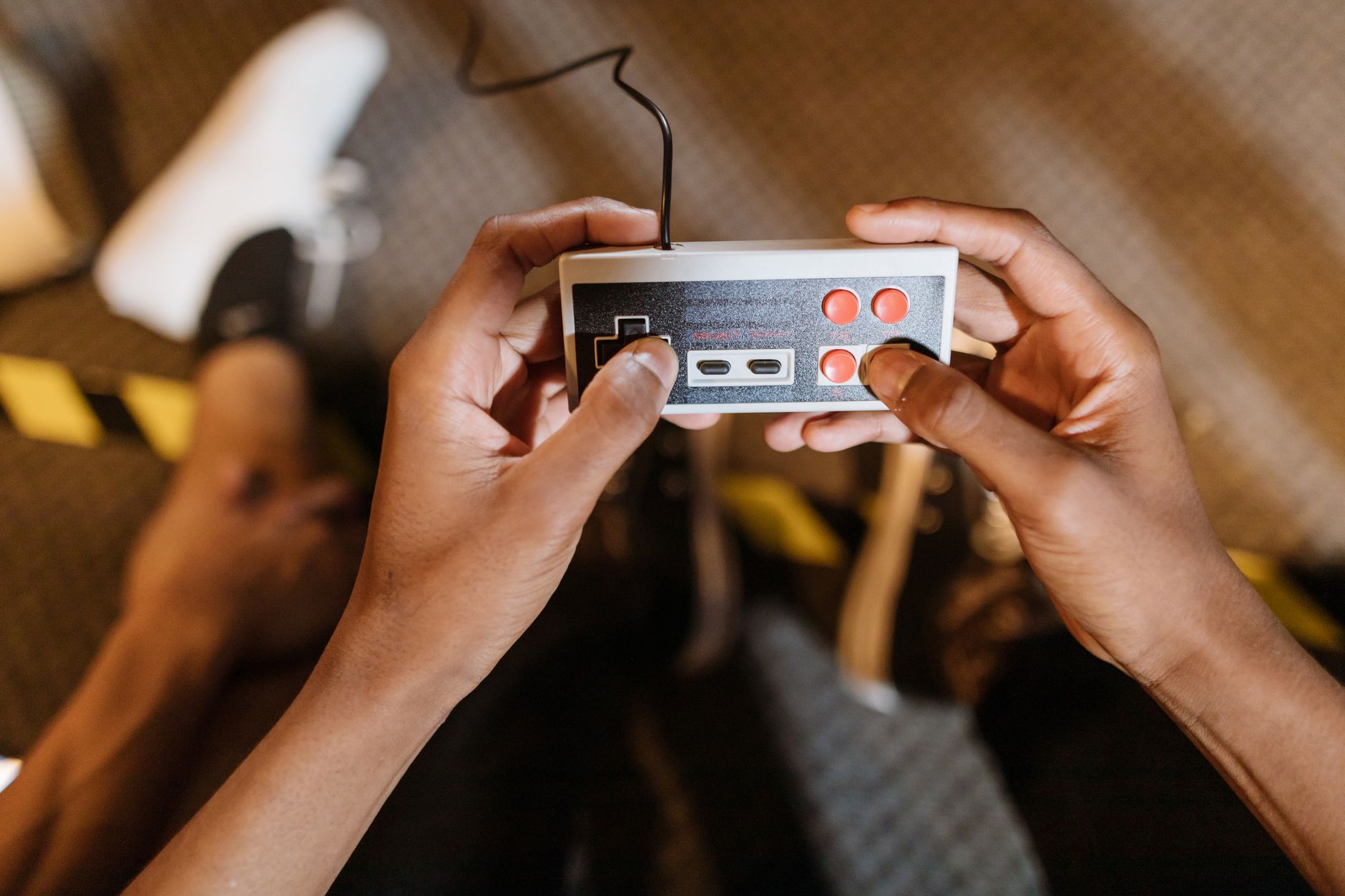
In 2025 Representative Ritchie Torres (D‑NY) introduced the Power to Players Act, a bill that would require video game purchases to confer ownership rather than a limited‑time license and task the Federal Trade Commission (FTC) with preventing games from becoming unplayable after a publisher shuts down servers. The legislation highlights concerns such as the planned shutdown of NBA 2K25’s online services on December 31, 2025, just three months after its September 6, 2025 launch.
Key Takeaways
- The Power to Players Act would redefine video game purchases as ownership, not a license.
- The FTC would be charged with enforcing the rule that games remain playable after server shutdowns.
- NBA 2K25 is slated to lose online functionality on December 31, 2025, illustrating the issue the bill seeks to address.
- Digital downloads account for 82 percent of full‑game unit sales on PlayStation 4 and PlayStation 5, underscoring the relevance of server‑dependent titles.
| Metric | Value | Why it matters |
|---|---|---|
| Bill name | Power to Players Act | Sets legal framework for game ownership. |
| Sponsor | Rep. Ritchie Torres (Democrat‑NY) | Legislative champion of the proposal. |
| Enforcement agency | Federal Trade Commission (FTC) | Will act to stop post‑shutdown unplayability. |
| NBA 2K25 launch | September 6, 2025 | Illustrates typical release schedule. |
| NBA 2K25 server shutdown | December 31, 2025 | Shows risk of games becoming unplayable. |
| Sony digital‑download share | 82 percent | Highlights dominance of digital distribution. |
What the Power to Players Act Proposes
The legislation redefines the legal relationship between consumers and video game titles. Instead of treating a purchase as a time‑limited license, the bill mandates that buyers obtain full ownership rights, including the ability to play the game indefinitely and to transfer it to other users. The language is intended to close the gap between traditional software ownership and the increasingly common “software‑as‑a‑service” model used by many modern games.
FTC Enforcement Role
Under the bill, the FTC would receive explicit authority to intervene when a publisher’s decision to discontinue online services renders a game unplayable. The agency’s involvement would create a regulatory backstop, ensuring that a shutdown of servers does not strip owners of functional access to the product they purchased.
Case Study: NBA 2K25’s Planned Server Shutdown
NBA 2K25, released on September 6, 2025, is scheduled for a server shutdown on December 31, 2025. Without the proposed legal protections, players who rely on online features would lose access after that date, effectively turning a recent purchase into a partially unusable product. The bill’s proponents cite this scenario as a concrete example of why ownership rights are essential.
Industry Context: Digital Dominance and Physical Decline
Sony’s recent fiscal data shows that digital downloads represent 82 percent of full‑game unit sales on the PlayStation 4 and PlayStation 5 platforms, leaving physical media with a share of less than 20 percent. This shift toward digital distribution amplifies the relevance of server‑dependent titles, as most digital purchases are tied to online authentication and ongoing service support.
Potential Impact on Consumers and Publishers
For consumers, the act promises the ability to retain functional copies of games regardless of a publisher’s future support decisions. For publishers, the requirement could reshape revenue models that rely on subscription‑based services, microtransactions, and periodic content updates. The balance between protecting consumer rights and preserving business flexibility will likely shape future industry negotiations.
Why it matters
The Power to Players Act addresses a growing consumer frustration: the loss of access to purchased games after server shutdowns. By redefining purchases as ownership and assigning enforcement to the FTC, the bill could set a precedent that influences how digital goods are sold across the broader tech ecosystem. Stakeholders should monitor the bill’s progress, especially as more high‑profile titles adopt online‑only architectures.
Frequently asked questions
Who introduced the Power to Players Act?
Representative Ritchie Torres, a Democrat from New York, is the bill’s sponsor.
What specific authority would the FTC receive?
The FTC would be tasked with taking action to prevent games from becoming unplayable after a company shuts down its servers.
Which upcoming game illustrates the problem the bill seeks to solve?
NBA 2K25, launched on September 6, 2025, is slated for a server shutdown on December 31, 2025, which could render it unplayable without ownership protections.
How prevalent are digital downloads in Sony’s console ecosystem?
Digital downloads account for 82 percent of full‑game unit sales on PlayStation 4 and PlayStation 5, indicating a strong market shift toward digital distribution.
What rights would consumers gain under the proposed legislation?
Consumers would have the right to own, play, and transfer the games they purchase, rather than being limited to a license that could be revoked.
Bottom Line
The Power to Players Act, introduced by Rep. Ritchie Torres in 2025, seeks to transform video game purchases into true ownership and assigns the FTC the role of safeguarding that right against server shutdowns—a move that could reshape consumer expectations and publisher strategies in an increasingly digital market.
Reporting based on: original source.
Comments
Post a Comment