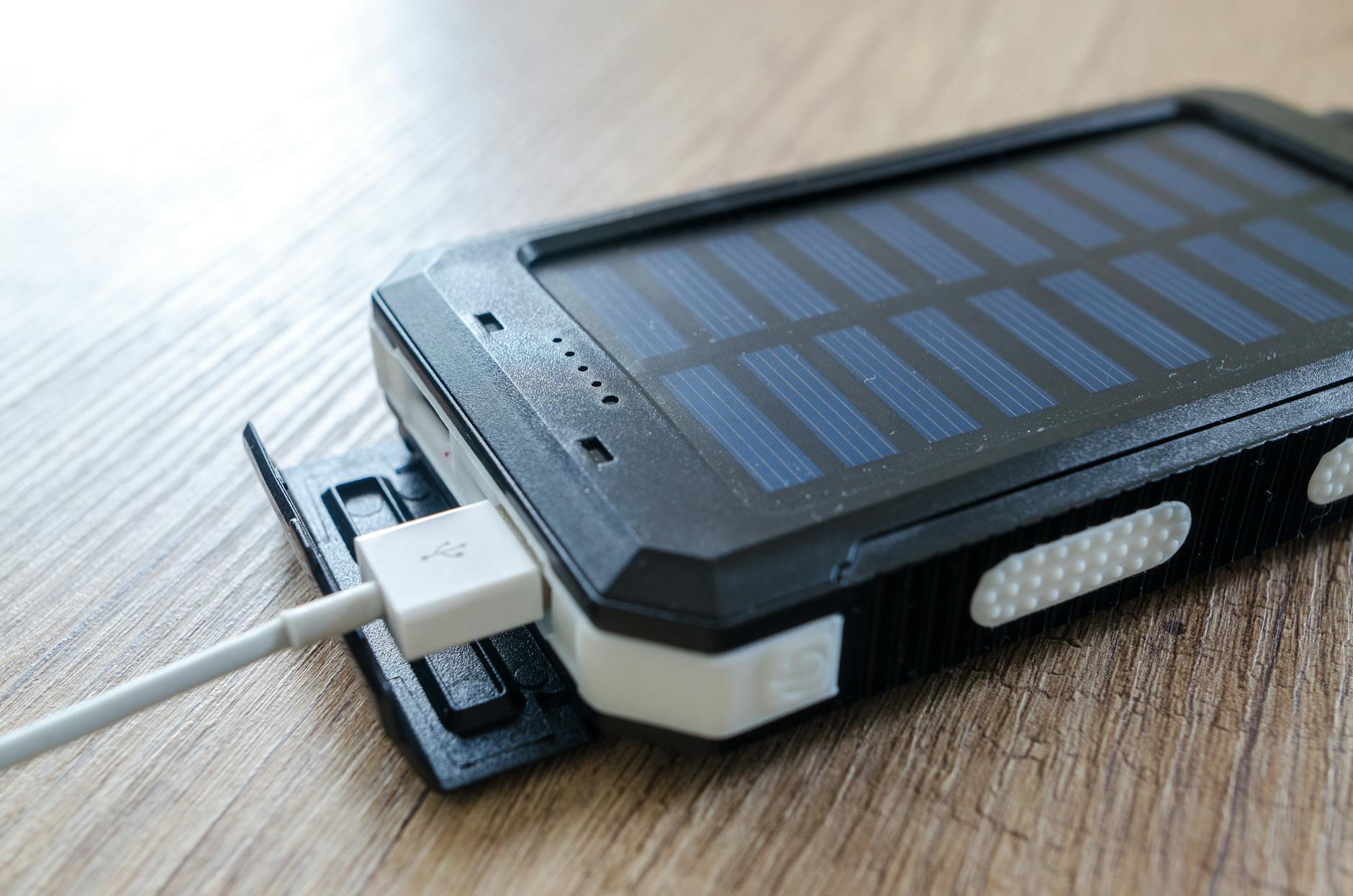
Ten U.S. states have passed legislation legalizing “backyard” or plug‑in solar systems, and Utah was the first to do so, with nine additional states subsequently joining the effort.
Key Takeaways
- Legislation failed in five states—Georgia, New Mexico, Oregon, Washington, and Wyoming—leaving plug‑in solar illegal there.
- Roughly two dozen other states are still working on bills, many of which are stalled until the 2027 legislative session.
- Pending proposals are moving through committees in Massachusetts, New York, Michigan, Ohio, Pennsylvania, Rhode Island, South Carolina, Washington, and the District of Columbia.
- Alaska, Arizona, Delaware, Hawaii, Idaho, Illinois, Indiana, Iowa, Minnesota, Missouri, and North Carolina have bills that will not be reconsidered until 2027.
| Metric | Value | Why it matters |
|---|---|---|
| Legalized states | 10 | Homeowners can install plug‑in solar without utility approval. |
| First state | Utah | Set the legislative precedent for the rest of the country. |
| Bills failed | 5 states (GA, NM, OR, WA, WY) | Plug‑in solar remains prohibited in those markets. |
| Pending legislation | 9 jurisdictions | Potential expansion of the legal market. |
What Plug‑in Solar Actually Is
Plug‑in solar, often called “backyard” solar, refers to modular photovoltaic kits that homeowners can connect to their existing grid connection without the need for a new utility‑scale interconnection study. The systems are designed to be portable, scalable, and capable of being installed by the consumer or a local installer.
The Legislative Landscape After the First Ten
Following Utah’s pioneering law, nine other states enacted similar statutes, creating a nascent market where homeowners can bypass traditional utility approvals. This momentum has spurred interest from manufacturers and installers eager to tap a new customer segment.
States Where Bills Fell Short
In a handful of states, recent proposals were rejected, meaning plug‑in solar remains illegal there. The failure of legislation in these jurisdictions underscores the varied political and utility pressures that can stall renewable‑energy reforms.
Pending Proposals That Could Shift the Balance
Legislators in several key jurisdictions—including a mix of Northeastern, Mid‑Atlantic, and Midwestern areas—are currently reviewing bills that would legalize plug‑in solar. If passed, these measures would broaden consumer choice and could accelerate adoption in densely populated regions.
Bills Deferred Until the 2027 Session
A separate group of states has postponed action on plug‑in solar legislation, with the next opportunity to reconsider slated for the 2027 legislative session. The delay reflects competing priorities and the need for additional data on grid impacts.
Why It Matters
Legalizing plug‑in solar removes a major administrative hurdle, potentially lowering upfront costs and shortening installation timelines. Homeowners in the ten legal states can now explore modular solar options that complement existing rooftop systems or serve as a stand‑alone power source. The pending and stalled bills indicate that the next few years will be decisive for nationwide adoption, with consumer savings and grid‑integration benefits hinging on how quickly additional states move forward.
Frequently asked questions
Which state led the plug‑in solar movement?
Utah was the first state to legalize backyard plug‑in solar systems.
How many states have already legalized it?
Ten states have enacted legislation allowing plug‑in solar installations.
Are there states where the effort has failed?
Yes, legislation did not pass in Georgia, New Mexico, Oregon, Washington, and Wyoming.
What is the outlook for states that haven’t decided yet?
Several states are actively considering bills, while a dozen more have postponed decisions until the 2027 legislative session.
Will plug‑in solar save homeowners money?
By eliminating the need for a full utility interconnection process, plug‑in solar can reduce installation costs and accelerate the time to start generating electricity, which can translate into savings on electricity bills.
Bottom Line
With ten states already embracing plug‑in solar and a wave of pending legislation, the technology is poised to become a mainstream option for homeowners seeking flexible, cost‑effective renewable energy, though its reach will depend on the outcomes of pending and deferred bills in the coming years.
Reporting based on: original source.
Comments
Post a Comment