OpenAI uncovers hidden recording device in San Francisco office, leverages its own AI to trace origin
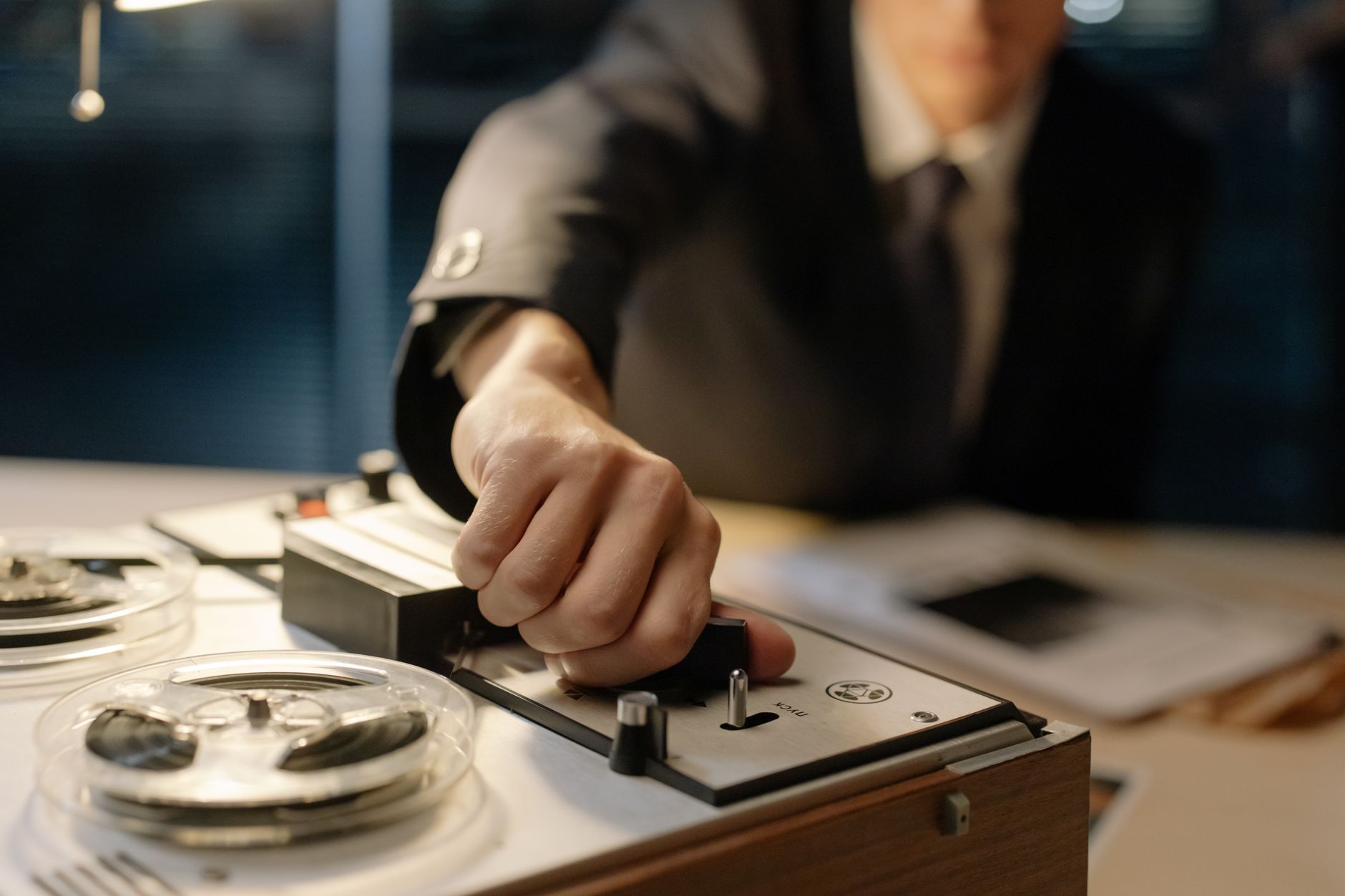
OpenAI discovered a sophisticated recording device concealed inside a USB port on the back of a TV set in an executive conference room at its San Francisco headquarters. The hardware was planted by Abdulrahman Alfozan, a 35‑year‑old Saudi engineer employed by the company, and was later removed after the firm used its own AI models to analyze the gadget and determine its provenance. Alfozan was arrested by the FBI on October 9, following a brief investigation that began when the device was found a few days after being inserted on September 28.
Key Takeaways
- OpenAI found a hidden recording device in a conference‑room TV’s USB port.
- The device was placed on September 28 by engineer Abdulrahman Alfozan.
- OpenAI’s internal AI tools were used to identify the device’s origin.
- The FBI arrested Alfozan on October 9 after the U.S. Department of Justice supplied additional details.
- A second bag containing another recording device was discovered in a different room of the same building.
| Metric | Value | Why it matters |
|---|---|---|
| Engineer involved | Abdulrahman Alfozan, 35‑year‑old Saudi national | Identifies the insider source of the breach. |
| Company | OpenAI | Demonstrates the firm’s internal security response. |
| Insertion date | September 28 | Sets the timeline for detection and response. |
| Arrest date | October 9 | Marks law‑enforcement involvement after DOJ input. |
| Location | Executive conference room, San Francisco office | Shows the target area within the corporate environment. |
What the hidden hardware was and how it was discovered
Our analysis began with the description provided by OpenAI: a “sophisticated recording device” that had been discreetly lodged in the USB port of a television mounted in an executive conference room. The device’s concealment inside a standard‑issue TV port suggests a design intended to blend with existing infrastructure, making visual detection unlikely without a thorough hardware audit.
OpenAI’s AI‑driven forensic approach
Rather than relying solely on traditional forensics, OpenAI deployed its own large‑language models and other AI tools to parse the device’s firmware, signal patterns, and any embedded metadata. This internal AI analysis helped the team map the device’s communication pathways and infer its likely origin, illustrating a practical use case for generative AI in corporate security investigations.
Timeline of events from insertion to arrest
The device was inserted on September 28, and OpenAI’s security team flagged the anomaly a few days later during routine equipment checks. Within that window, a second bag containing an additional recording device was found in another room of the same building, indicating a broader surveillance attempt. OpenAI posted about the incident on a Tuesday, prompting the U.S. Department of Justice to release supplementary details that aided the FBI’s case. The FBI arrested Alfozan on October 9, charging him with offenses related to the unauthorized placement of the hardware.
Legal and organizational response
Following the discovery, OpenAI terminated Alfozan’s employment and cooperated fully with federal authorities. The involvement of the Department of Justice underscores the seriousness with which the government views insider‑initiated espionage, especially when it targets a leading AI research organization. The FBI’s swift action—arresting the engineer less than two weeks after the device’s insertion—highlights the agency’s focus on protecting intellectual property in the tech sector.
Context: Insider threats in AI‑centric firms
Insider threats remain a persistent risk for companies that handle cutting‑edge AI models and proprietary data. The incident at OpenAI serves as a reminder that even organizations with advanced AI capabilities must maintain robust physical security protocols alongside digital safeguards. While the motive behind Alfozan’s act remains undisclosed, the episode adds to a growing body of cases where internal actors attempt to exfiltrate or surveil high‑value technology assets.
Why it matters
For the broader tech community, this case illustrates how AI can be turned inward to bolster security investigations, offering a template for other firms facing similar threats. It also raises questions about the adequacy of existing access controls in environments where hardware can be easily repurposed for espionage. Stakeholders should watch for policy updates from OpenAI and potential regulatory guidance on insider‑risk management in AI research labs.
Frequently asked questions
Who discovered the hidden recording device?
OpenAI’s internal security team identified the device during routine hardware inspections of its San Francisco executive conference room.
What type of device was found?
The device was described as a “sophisticated recording device” concealed inside a USB port on the back of a TV set.
When was the device placed and when was it found?
It was inserted on September 28 and discovered a few days later, prompting an internal investigation.
Who was responsible for planting the device?
Abdulrahman Alfozan, a 35‑year‑old Saudi engineer employed by OpenAI, was identified as the individual who placed the hardware.
What actions were taken after the discovery?
OpenAI terminated Alfozan’s employment, used its AI models to analyze the device, and coordinated with the U.S. Department of Justice and the FBI, which arrested Alfozan on October 9.
Bottom Line
OpenAI’s swift detection of a covert recording device, coupled with an AI‑driven forensic analysis, underscores the growing importance of integrating advanced AI tools into corporate security workflows. The incident also highlights the persistent risk of insider‑initiated espionage, prompting both industry peers and regulators to reconsider how physical and digital safeguards intersect in high‑tech environments.
Going forward, we expect more AI‑centric firms to adopt similar internal AI capabilities for threat detection, while law‑enforcement agencies may increase scrutiny of insider activities that target strategic technology assets.
Reporting based on: original source.
Comments
Post a Comment