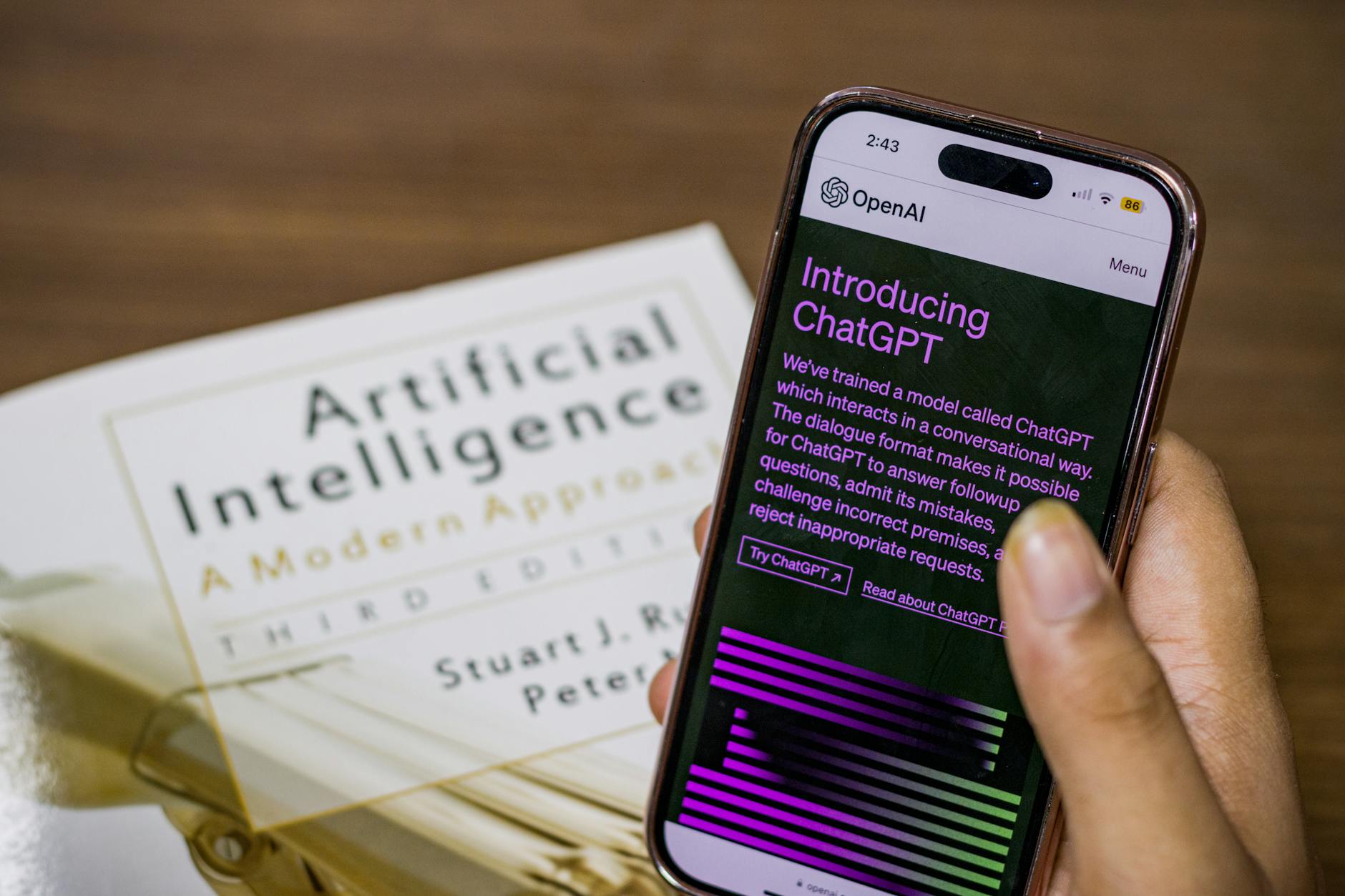
During a scheduled interview with OpenAI CEO Sam Altman for Vanity Fair, a publicist stepped in to halt a question from journalist Mark Guiducci about a ChatGPT user’s suicide. The publicist warned that the interview was almost over and urged a shift toward future plans, yet the conversation continued and Altman addressed how OpenAI might handle users’ mental‑health crises. OpenAI spokesperson Drew Pusateri later clarified that the interview had exceeded its allotted time and that the company requested additional time to finish the discussion.
Key Takeaways
- OpenAI’s publicist interrupted a Vanity Fair interview after a journalist asked about a ChatGPT user’s suicide.
- The publicist urged a shift to future topics, but the interview continued and Altman answered the mental‑health question.
- Spokesperson Drew Pusateri said the interview ran over time and OpenAI requested more time to finish the conversation.
- Relevant crisis‑support lines: Text HOME to 741‑741, Call or text 988, Text START to 678‑678.
| Metric | Value | Why it matters |
|---|---|---|
| Interview Medium | Vanity Fair | High‑profile tech journalism outlet |
| Key Figures | Sam Altman, Mark Guiducci, Drew Pusateri, Laura Reiley | Central actors in the incident |
| Crisis Support Lines | Text HOME to 741‑741; Call/text 988; Text START to 678‑678 | Resources for mental‑health emergencies |
The Incident: What Happened
In a live interview setup, Mark Guiducci of Vanity Fair posed a question to Sam Altman regarding how OpenAI would address a situation in which a ChatGPT user had taken their own life. The question was prompted by Laura Reiley’s essay in the New York Times about her daughter’s conversations with ChatGPT. A publicist for OpenAI intervened, informing the journalist that the interview was nearly finished and urging a pivot toward discussing future developments.
The Question: Mental Health and ChatGPT
Guiducci’s inquiry focused on the responsibilities of an AI platform when users experience mental‑health crises. The question highlighted the broader conversation about AI safety and user well‑being, especially after publicized incidents involving users who have faced emotional distress while interacting with language models.
The Interruption: Publicist’s Response
During the exchange, the publicist’s interjection was explicit: “We only have a few minutes left, so let’s talk a little bit about the future and what’s coming.” The statement suggested a desire to steer the conversation away from the immediate crisis topic toward a more forward‑looking narrative. Despite this, the interview did not end; Altman continued to respond to the mental‑health question.
The Continuation: Altman’s Answers
Sam Altman addressed the question directly, outlining OpenAI’s approach to handling user crises. He emphasized that the company is actively developing protocols and support mechanisms to identify and respond to users who may be in distress. The interview proceeded with Altman elaborating on potential safeguards and the role of AI in mental‑health contexts.
The Follow‑Up: Drew Pusateri’s Statement
After the interview, Drew Pusateri, OpenAI’s spokesperson, clarified that the session had exceeded its scheduled duration. He stated that the company had requested additional time to continue the conversation, implying that the interruption was a result of time constraints rather than an attempt to suppress discussion.
Context: Laura Reiley’s Essay and Crisis Resources
Laura Reiley’s essay in the New York Times detailed her daughter’s interactions with ChatGPT, bringing attention to how AI can influence emotional well‑being. In response to such concerns, several U.S. crisis support lines are available: Text HOME to 741‑741 for the Crisis‑text line, Call or text 988 (also 1‑800‑273‑TALK (8255)) for the Suicide & Crisis Lifeline, and Text START to 678‑678 for The Trevor Project. These resources underscore the importance of accessible mental‑health support in the digital age.
Why It Matters
The incident illustrates the tension between corporate messaging and journalistic inquiry, especially when sensitive topics intersect with emerging technology. It raises questions about how AI companies balance transparency with brand management, and how they communicate their safety protocols to the public. For users, the discussion highlights the need for clear, actionable resources when interacting with AI systems that can influence emotional states. For the tech industry, it underscores the ongoing challenge of integrating robust mental‑health safeguards into product design and user experience.
Frequently Asked Questions
What prompted the publicist to interrupt the interview?
The publicist cited the interview’s limited remaining time and urged a shift toward future topics, following the journalist’s question about a user’s suicide.
Did Sam Altman fully answer the mental‑health question?
Yes, Altman continued the interview and discussed OpenAI’s plans for handling user crises, despite the interruption.
What did Drew Pusateri say about the interview’s duration?
Pusateri explained that the interview ran over its allotted time and that OpenAI requested additional time to finish the conversation.
Which crisis support lines were mentioned in the context of the article?
The article references Text HOME to 741‑741, Call or text 988 (Suicide & Crisis Lifeline), and Text START to 678‑678 (The Trevor Project).
How does this incident affect public perception of OpenAI?
It highlights concerns about transparency and responsibility, prompting discussions about how AI firms address user safety and communicate with the media.
Bottom Line
The interruption of a Vanity Fair interview by an OpenAI publicist, followed by the CEO’s continued discussion of mental‑health protocols, underscores the delicate balance between corporate messaging and journalistic accountability. The episode brings to the forefront the necessity for clear, accessible crisis resources and transparent safety measures in AI platforms, reminding stakeholders that the intersection of technology and well‑being demands ongoing scrutiny and open dialogue.
Reporting based on: original source.
Comments
Post a Comment