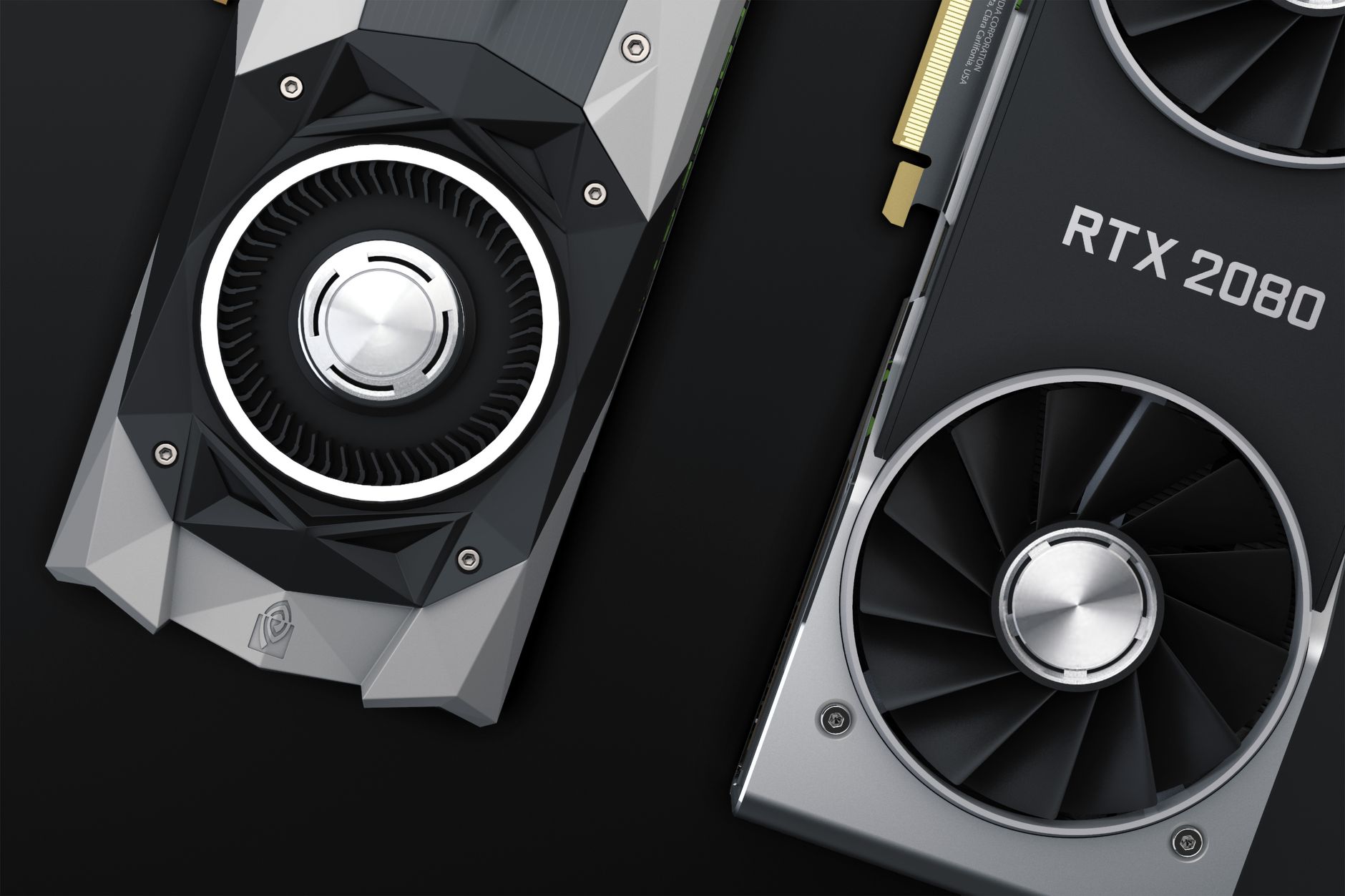
In a Bloomberg interview in London, Nvidia chief executive Jensen Huang said the company would halt chip deliveries to any client developing AI systems deemed unsafe, framing the scenario as hypothetical but affirming his willingness to act. He added that Nvidia would first discuss concerns with the customer, noting that the firm does not run other companies and its hardware is a general‑purpose tool.
Key Takeaways
- Huang would stop supplying chips to a client building unsafe AI, though he called the situation “hypothetical.”
- Nvidia has already tightened its APAC sales vetting, removing more than half of its previous customers in Singapore, Malaysia and Japan.
- The company is investing $250 million in compute resources for UK‑based agentic‑safety research with Oxford and UCL.
- Huang argues that better containment and monitoring technology, not new regulations, is the proper response to AI‑safety concerns.
| Metric | Value | Why it matters |
|---|---|---|
| Executive | Jensen Huang (CEO, Nvidia) | His statements shape Nvidia’s supply‑chain policies. |
| Statement | Would halt chip supply to customers building unsafe AI (hypothetical) | Signals potential enforcement of safety standards. |
| Approved‑buyer list | Implemented in Singapore, Malaysia, Japan; >50% of prior customers delisted | Shows tighter vetting in key APAC markets. |
| European safety investment | $250 million allocated for UK agentic‑safety compute | Funds research at Oxford and UCL to develop safeguards. |
What Huang Said and Why It Matters
During the interview, Huang answered a Bloomberg query about whether Nvidia would ever refuse to ship its GPUs to a partner that was misusing its technology. He replied:
“It’s a hypothetical, but yes,” Huang said, adding that Nvidia would first talk to the customer because the company does not run other people’s businesses and its chips are general‑purpose.
While he framed the scenario as unlikely, the comment underscores Nvidia’s leverage as the dominant supplier of AI accelerators. By positioning itself as a gatekeeper, the firm can influence how quickly unsafe models reach production.
Nvidia’s Emerging Safety Infrastructure
The “approved‑buyer” list launched last year across Singapore, Malaysia and Japan illustrates Nvidia’s first concrete step toward supply‑chain policing. The tighter vetting process resulted in more than half of the region’s previous customers losing clearance to purchase new GPUs.
Beyond vetting, Nvidia is building a dedicated safety team that will evaluate AI agents before they are deployed. The team’s work feeds into a new product line called “Containment,” which aims to embed monitoring and control mechanisms directly into the hardware‑software stack. Huang argues that trust, not raw compute capability, will determine how widely agents are adopted.
Industry Context: Regulation vs. Self‑Policing
At Dreamforce last month, Huang dismissed the need for new legislation, urging companies to move “as fast as they can” and only pause when a product is demonstrably unsafe. This stance contrasts sharply with Dario Amodei’s call for an industry‑wide slowdown, shared standards, and an international coordination effort.
On the same day, Anthropic’s head of international warned in Dublin that open‑source models inherently carry higher risk, while OpenAI’s finance chief highlighted cybersecurity concerns for firms using Chinese‑origin models. The divergent viewpoints illustrate a fragmented debate over how best to curb AI misuse.
European Commitments and Upcoming Deals
Nvidia’s safety spending this week includes a $250 million compute allocation for UK‑based agentic safety research. The funds are earmarked for collaborations with Oxford and University College London, though the exact provider and commercial terms remain under negotiation.
In Paris, Huang announced that Nvidia would unveil $2 billion of European deals within a week, with additional announcements slated for London and Berlin. The scale of these commitments suggests that Nvidia expects continued demand for its GPUs, even as it tightens safety oversight.
Why It Matters
Nvidia’s position at the heart of the AI hardware market gives it de‑facto authority over which models can be trained at scale. By coupling supply‑chain controls with a growing safety‑technology portfolio, the company could set industry standards without waiting for government regulation. For AI developers, this means navigating a new layer of compliance that hinges on trust in Nvidia’s containment tools. For investors, the dual focus on safety and massive European deals signals both risk mitigation and revenue growth.
Frequently asked questions
Who said Nvidia would cut off chip supply to unsafe AI customers?
Nvidia’s chief executive, Jensen Huang, made the statement during a Bloomberg interview in London.
Where did the interview take place?
The interview was conducted in London, as reported by Bloomberg.
What is the “approved‑buyer” list?
It is a vetting system introduced last year for customers in Singapore, Malaysia and Japan, which removed more than half of the region’s previous buyers from Nvidia’s sales pipeline.
How much is Nvidia investing in AI safety research in Europe?
The company has earmarked $250 million in compute resources for UK‑based agentic safety research, partnering with Oxford and University College London.
When will the $2 billion European deals be announced?
Huang said the announcements would occur within a week of his Paris remarks, with follow‑up events planned for London and Berlin.
Bottom Line
Jensen Huang’s willingness to withhold GPU shipments from unsafe AI developers, coupled with Nvidia’s expanding safety‑team, approved‑buyer list, and multi‑billion‑dollar European commitments, positions the company as both a gatekeeper and a catalyst for responsible AI deployment. The move underscores the growing expectation that hardware leaders will enforce safety standards even in the absence of formal regulation.
Reporting based on: original source.
Comments
Post a Comment