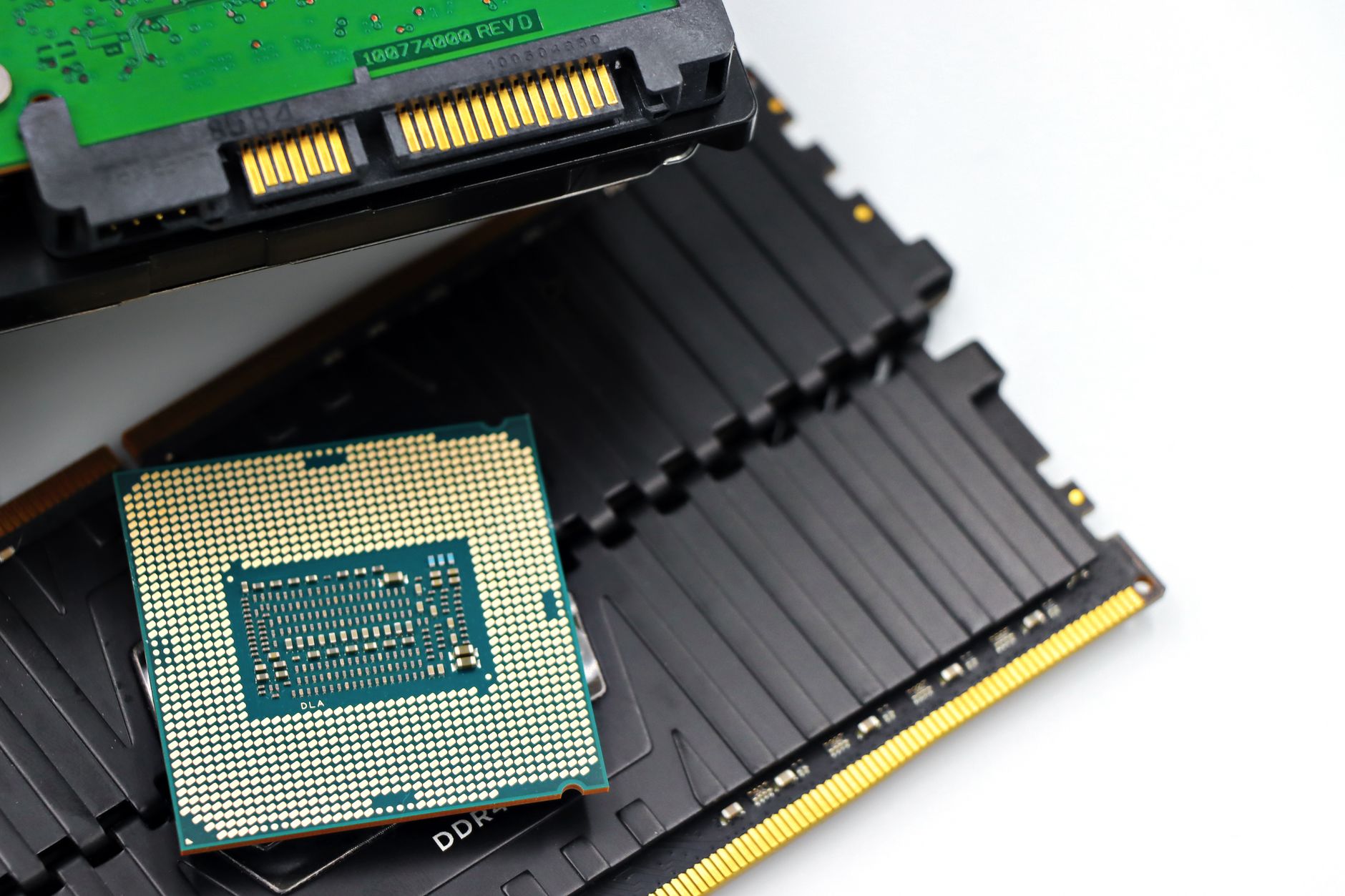
Micron Technology’s chief executive Sanjay Mehrotra and senior leaders from Samsung warned this week that the global memory shortage will persist for at least the next couple of years, with Micron already booking 75 % of its 2027 output and focusing sales discussions on 2028. The companies also noted that high‑bandwidth memory (HBM) demand for AI and server‑grade DRAM is outstripping the capacity that can be produced, prompting a shift in HBM product mix from 3E to a greater share of 4 and 4E.
Key Takeaways
- Micron and Samsung executives project the RAM shortage to last at least two more years.
- Seventy‑five percent of Micron’s 2027 memory production is already allocated.
- Micron’s sales pipeline is dominated by 2028 contracts, and new clean rooms are slated for 2028.
- Demand for AI‑centric HBM and server DRAM exceeds current manufacturing capacity.
- HBM is transitioning from a 3E‑centric mix to a larger proportion of 4 and 4E devices.
| Metric | Value | Why it matters |
|---|---|---|
| Micron CEO | Sanjay Mehrotra | Leads the company’s response to the shortage. |
| 2027 output booked | 75 % | Indicates limited flexibility for new orders. |
| Target year for new clean rooms | 2028 | Signals long‑term capacity expansion plans. |
| HBM technology mix shift | From 3E to more 4 and 4E | Reflects higher performance needs for AI workloads. |
What the executives said
During a briefing this week, Micron’s CEO Sanjay Mehrotra and unnamed Samsung executives concurred that the current memory shortage will not resolve in the short term. Both parties emphasized that the scarcity is expected to linger for at least the next couple of years, shaping their production and sales strategies.
Supply‑demand dynamics driving the shortage
The surge in demand for high‑bandwidth memory (HBM) used in artificial‑intelligence accelerators and for server‑grade DRAM is outpacing the amount of silicon that fabs can produce. Because manufacturers are prioritizing capacity for AI‑focused memory and server platforms, the pool of chips available for consumer devices is being squeezed.
Micron’s production outlook
Micron has already earmarked 75 % of its 2027 memory output, leaving little room for additional orders. The bulk of its current sales conversations are centered on 2028, indicating that customers are already looking ahead to the next wave of capacity. To address the longer‑term gap, Micron plans to commission new clean rooms in 2028, a move aimed at expanding its manufacturing footprint.
Shift in HBM technology mix
Historically, Micron’s HBM portfolio leaned heavily on the 3E configuration. The latest guidance shows a transition toward a greater mix of 4 and 4E HBM parts, a response to the higher bandwidth and capacity requirements of modern AI workloads.
Implications for the broader market
With capacity earmarked for AI and server applications, consumer‑grade devices may face tighter pricing and longer lead times. OEMs that rely on DRAM for smartphones, laptops, and other end‑user products will need to manage inventory more carefully, while cloud providers and data‑center operators can expect continued premium pricing for the high‑performance memory they require.
Why it matters
The prolonged RAM shortage affects multiple layers of the tech ecosystem: chipset designers must account for limited supply in their roadmaps, system integrators may need to redesign around alternative memory configurations, and end users could see price pressure on AI‑enabled devices. Watching Micron’s 2028 clean‑room rollout and Samsung’s capacity allocation will be key indicators of when, or if, the market gap narrows.
Frequently asked questions
When is the memory shortage expected to ease?
Executives from Micron and Samsung indicated that the shortage will likely continue for at least the next couple of years, with no specific relief timeline beyond that horizon.
What portion of Micron’s 2027 production is already committed?
Seventy‑five percent of Micron’s memory output for 2027 has been accounted for.
Which memory technologies are driving the current demand surge?
High‑bandwidth memory (HBM) for AI accelerators and server‑grade DRAM are the primary growth drivers.
How is the HBM product mix changing?
The mix is moving away from a predominance of 3E toward a larger share of 4 and 4E configurations.
What is Micron’s long‑term capacity plan?
Micron intends to open new clean rooms in 2028 to expand its manufacturing capability.
Bottom Line
Micron and Samsung both see the RAM shortage persisting through at least 2028, with 75 % of Micron’s 2027 output already allocated and a strategic focus on AI‑centric HBM and server DRAM. The shift toward higher‑density HBM parts and the planned 2028 clean‑room expansion underscore the industry’s long‑term bet on AI workloads, while consumer‑grade memory remains constrained.
Stakeholders should monitor capacity announcements and the rollout of Micron’s 2028 facilities as the primary signals of any future supply relief.
Reporting based on: original source.
Comments
Post a Comment