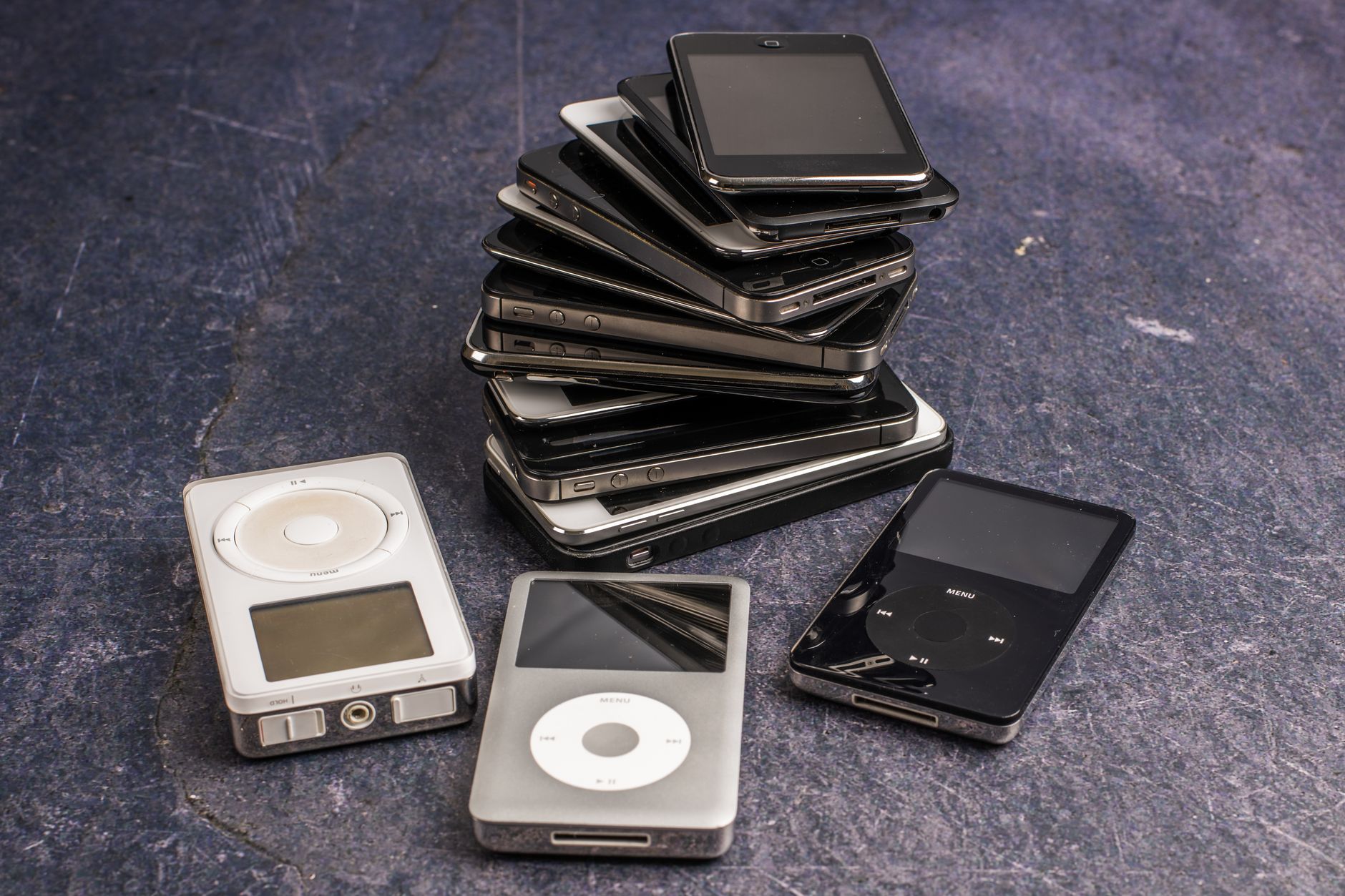
The first iPod was unveiled on October 23, 2001, a month after the September 11 attacks, and has since become a cultural icon. Apple delivered the device to a New York journalist, and Steve Jobs declared it a landmark product. Over the next two decades, the iPod evolved through several redesigns before its discontinuation in 2022, leaving a legacy that still sparks debate among tech enthusiasts.
Key Takeaways
- First iPod launched on October 23, 2001, with a 5‑inch screen and 5 GB storage.
- Apple discontinued the iPod Touch on May 10, 2022; the last traditional iPod (Nano) ended on July 27, 2017.
- Steve Jobs announced the iPhone on January 11, 2007, merging the iPod’s core into a new platform.
- Tony Fadell, the iPod’s hardware lead, credits the device for enabling the iPhone and Apple’s consumer‑electronics rise.
- Dedicated music‑only devices remain popular in niche communities that mod older iPods for modern features.
| Metric | Value | Why it matters |
|---|---|---|
| Launch date | October 23, 2001 | Marks the start of a new category of portable media. |
| iPhone announcement | January 11, 2007 | Integrated the iPod’s core into a multi‑function device. |
| Last iPod Nano discontinuation | July 27, 2017 | End of the classic click‑wheel line. |
| Last iPod Touch discontinuation | May 10, 2022 | Final removal of the iPod name from Apple’s lineup. |
The Birth of a Music Revolution
Apple’s first iPod arrived in the wake of a nation in mourning. On October 23, 2001, the company delivered the device to a New York journalist, and Steve Jobs, speaking on the phone, declared the iPod a landmark product. The original model featured a 5‑inch display, a 5 GB hard drive, and a click‑wheel interface that allowed users to navigate their entire music library with a single touch.
Evolution Through Redesigns
Apple did not let the iPod sit idle. Each year, the company released a new iteration that shrank in size and altered its form factor. The mini, the Nano, and the Shuffle arrived in a range of colors and configurations, each offering a different balance of storage, battery life, and portability. The classic iPod with a hard drive and click wheel was quietly phased out in 2014, leaving the Nano and Shuffle as the last true dedicated music players.
The Decline and Discontinuation
The iPod’s decline began with the launch of the iPhone in 2007. By 2014, Apple had stopped selling the classic iPod, and the Nano was discontinued on July 27, 2017. The final iPod‑named product, the iPod Touch, was discontinued on May 10, 2022. While the iPod Touch was essentially an iPhone without cellular connectivity, many consider the true end of the iPod line to have occurred with the Nano’s retirement.
Legacy and Cultural Impact
Tony Fadell, the hardware lead who shepherded the iPod’s first year, has repeatedly highlighted the device’s influence. “The iPhone never would have existed without it,” he says. “Because the iPod wasn’t connected, you didn’t have all these other things going on to distract you.” Fadell’s comments underscore how the iPod’s focus on music alone helped shape Apple’s broader strategy. Today, communities on Facebook and Reddit still mod older iPods, installing flash drives and Bluetooth modules to extend their functionality. An app that emulates the iPod Classic on an iPhone exists, but the experience remains tethered to the broader ecosystem.
The Perfect Gadget Debate
The author of a 2004 cover story, “iPod Nation,” and a book titled The Perfect Thing, argues that the iPod was the perfect gadget. It was a single‑function device that executed its purpose flawlessly, delivering unconditional joy without the distractions of internet connectivity, social media, or phone calls. In contrast, the iPhone, while a monster success that fuels a $4 trillion company, is a complex device that can consume attention and, in some cases, contribute to negative outcomes such as driver distraction or depression from doomscrolling.
Why It Matters
The iPod’s legacy illustrates the power of specialization in consumer electronics. By focusing exclusively on music, Apple created a product that resonated deeply with users and set a new standard for portable media. Its eventual absorption into the iPhone demonstrates how a single‑purpose device can seed a broader ecosystem, yet also highlights the trade‑offs when that focus is lost. For tech enthusiasts and designers, the iPod remains a case study in minimalist design, user experience, and the cultural impact of a well‑executed product.
Frequently Asked Questions
What was the original iPod’s storage capacity?
The first iPod shipped with a 5 GB hard drive, allowing users to store approximately 1,000 songs.
When did Apple discontinue the iPod Touch?
Apple officially discontinued the iPod Touch on May 10, 2022.
Did the iPod ever connect to the internet?
No. The iPod was designed as a dedicated music player without internet connectivity, a feature that many users appreciated for its distraction‑free experience.
Who was responsible for the iPod’s hardware design?
Tony Fadell led the hardware team that delivered the iPod in less than a year.
What happened to the iPod after the iPhone launch?
Apple gradually phased out the iPod line, discontinuing the classic model in 2014, the Nano in 2017, and the iPod Touch in 2022.
Bottom Line
The iPod’s 25‑year run proves that a focused, high‑quality product can leave an indelible mark on technology and culture. While the iPhone expanded Apple’s reach and revenue, the iPod’s simplicity and joy remain a benchmark for what a dedicated device can achieve. For those who value distraction‑free music listening, the iPod’s legacy continues to inspire and inform future design philosophies.
Reporting based on: original source.
Comments
Post a Comment