Google Fitbit Edge unveiled at $180, a slimmer, repair‑friendly smartwatch set for release on Oct 27
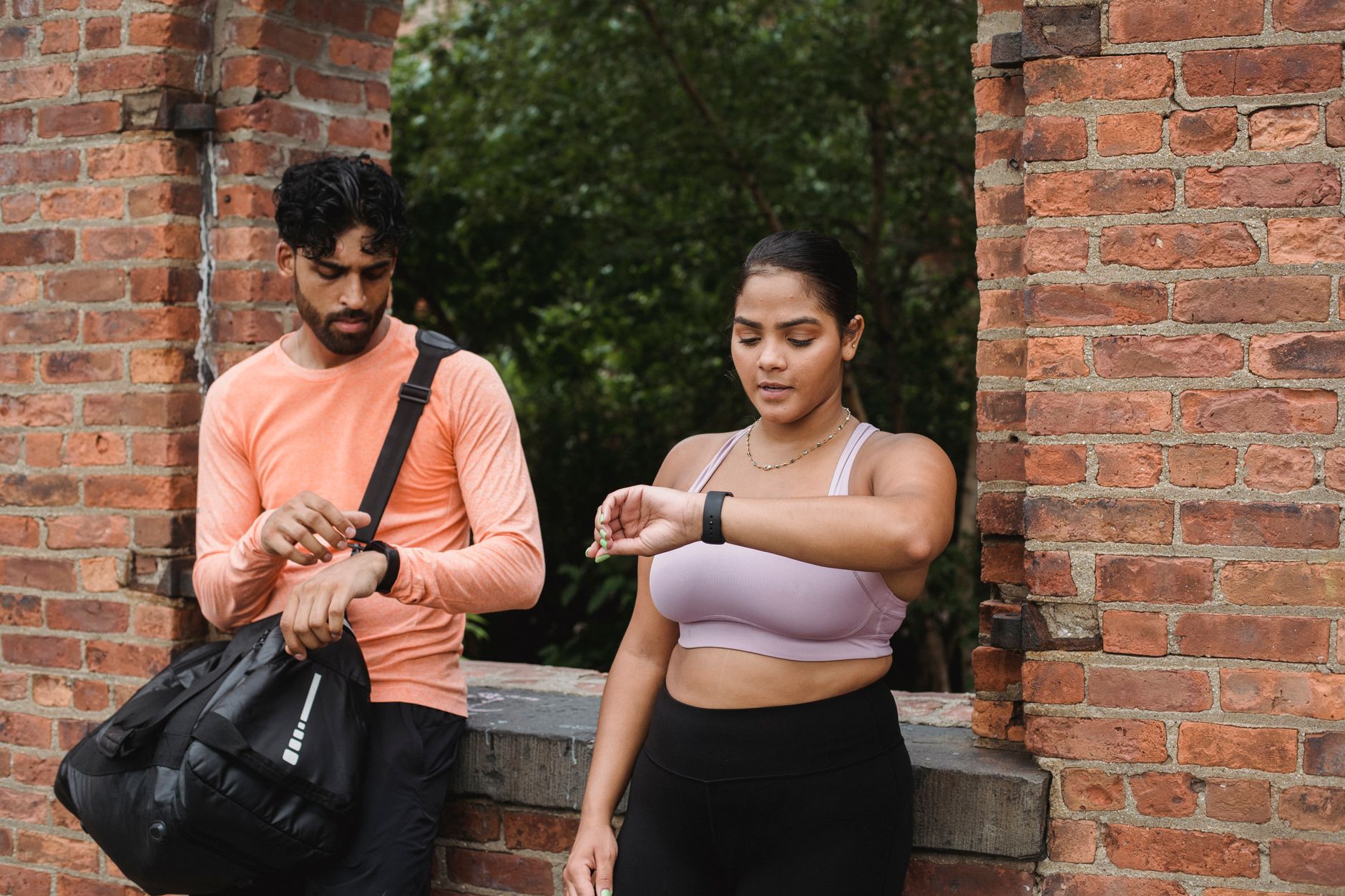
Google introduced the Fitbit Edge, a new smartwatch priced at $180 and slated to ship on October 27. The device trims its display to 11.5 mm—slightly thinner than the Pixel Watch 5’s 12.3 mm case—while keeping a week‑long battery claim when the always‑on display is disabled.
Key Takeaways
- The Fitbit Edge launches at $180, $20 more than the three‑year‑old Fitbit Charge 6.
- At 11.5 mm thick, it is slimmer than the Pixel Watch 5 (12.3 mm) but thicker than many competitors.
- Battery lasts up to seven days with always‑off display; always‑on mode reduces endurance to about two days.
- Google markets the Edge as its first repairable Fitbit and adds a side button for quick workout launch.
- Sleep‑tracking algorithms are claimed to be 15 % more accurate than previous models.
| Metric | Value | Why it matters |
|---|---|---|
| Price | $180 | Sets it above the Charge 6 but below premium flagship watches. |
| Thickness | 11.5 mm | Makes it the thinnest Google‑branded smartwatch to date. |
| Battery life (always‑off) | 7 days | Matches the Charge 6’s endurance, appealing to low‑maintenance users. |
| Sleep‑tracking improvement | 15 % | Enhances the accuracy of health insights for sleep‑focused users. |
What the Fitbit Edge actually is
The Edge is a smartwatch that slots between Google’s existing Fitbit Charge line and the Pixel Watch series. It carries a 1.28‑inch hybrid OLED display protected by Corning Gorilla Glass 3 and adds a touchscreen layer that the Charge 6 lacks. A new side button—reminiscent of Apple’s Action Button—lets users start workouts or scroll through metrics without touching the screen.
Design, build and repairability
At 11.5 mm thick, the Edge is a hair thinner than the Pixel Watch 5 (12.3 mm) and still sits above the ultra‑slim profiles of the Galaxy Watch (8.6 mm) and Apple Watch Series (9.7 mm). Its width mirrors the older Fitbit Air, but the addition of a touchscreen pushes the overall feel closer to a conventional smartwatch. Google emphasizes that the Edge is the company’s first repairable Fitbit, a claim that could extend the device’s lifespan for environmentally conscious buyers.
Battery life and health tracking
Google promises a seven‑day battery when the always‑on display is turned off, aligning with the Charge 6’s endurance. Enabling the always‑on mode cuts the runtime to roughly two days, a trade‑off that mirrors many feature‑rich wearables. Health tracking receives a software boost: sleep‑stage detection is advertised as 15 % more accurate, while the familiar Google Health app continues to aggregate sleep, stress, readiness and exercise data.
How it compares to the Pixel Watch 5 and other slim wearables
The Pixel Watch 5 remains Google’s flagship, with a 12.3 mm case and a premium price tag. The Edge trims the case by 0.8 mm, offering a less conspicuous profile for users who found the Pixel’s “bulbous” look too dominant on the wrist. Compared with the three‑year‑old Fitbit Charge 6 (11.2 mm, same display, seven‑day battery), the Edge adds a touchscreen, a side button, and repairability for an extra $20. The Fitbit Air, priced around $100, lacks both the touchscreen and the side button, and its battery life stays at seven days regardless of display mode.
Pricing, availability and the value proposition
The Edge launches at $180, $20 above the Charge 6’s price point. Google positions the price increase as justification for the added hardware (touchscreen, side button) and the 15 % sleep‑tracking upgrade. Pre‑orders are open now, with shipments expected to begin on October 27. Potential buyers will need to weigh whether the slimmer profile and repairability offset the higher cost and reduced always‑on battery life.
Why it matters
The Edge signals Google’s attempt to bridge the gap between fitness‑focused bands and full‑featured smartwatches. By delivering a slimmer case, a repairable design, and modest health‑tracking upgrades, Google may attract users who liked the Pixel Watch’s software ecosystem but wanted a less obtrusive wrist presence. The device also nudges the broader market toward more serviceable wearables, a trend that could influence future pricing and sustainability strategies.
Frequently asked questions
What is the price difference between the Edge and the Charge 6?
The Edge costs $180, which is $20 more than the three‑year‑old Fitbit Charge 6.
How thick is the Fitbit Edge compared to the Pixel Watch 5?
The Edge measures 11.5 mm in thickness, while the Pixel Watch 5 is 12.3 mm thick.
What battery life can I expect with the always‑on display?
With the always‑on display enabled, the Edge’s battery drops to about two days; disabling it extends life to seven days.
Is the Edge the first Fitbit that can be repaired?
Yes, Google markets the Edge as its first repairable Fitbit model.
When will the Fitbit Edge be available for purchase?
Pre‑orders are open now, and the device will ship worldwide on October 27.
Bottom Line
The Fitbit Edge offers a slimmer, repairable alternative to the Pixel Watch 5 at a modest $180 price point. Its 11.5 mm profile, touchscreen, side button and a 15 % boost in sleep‑tracking accuracy may justify the $20 premium over the Charge 6 for users who value a less bulky wristwear and a more serviceable device, though the reduced always‑on battery life remains a trade‑off.
Reporting based on: original source.
Comments
Post a Comment