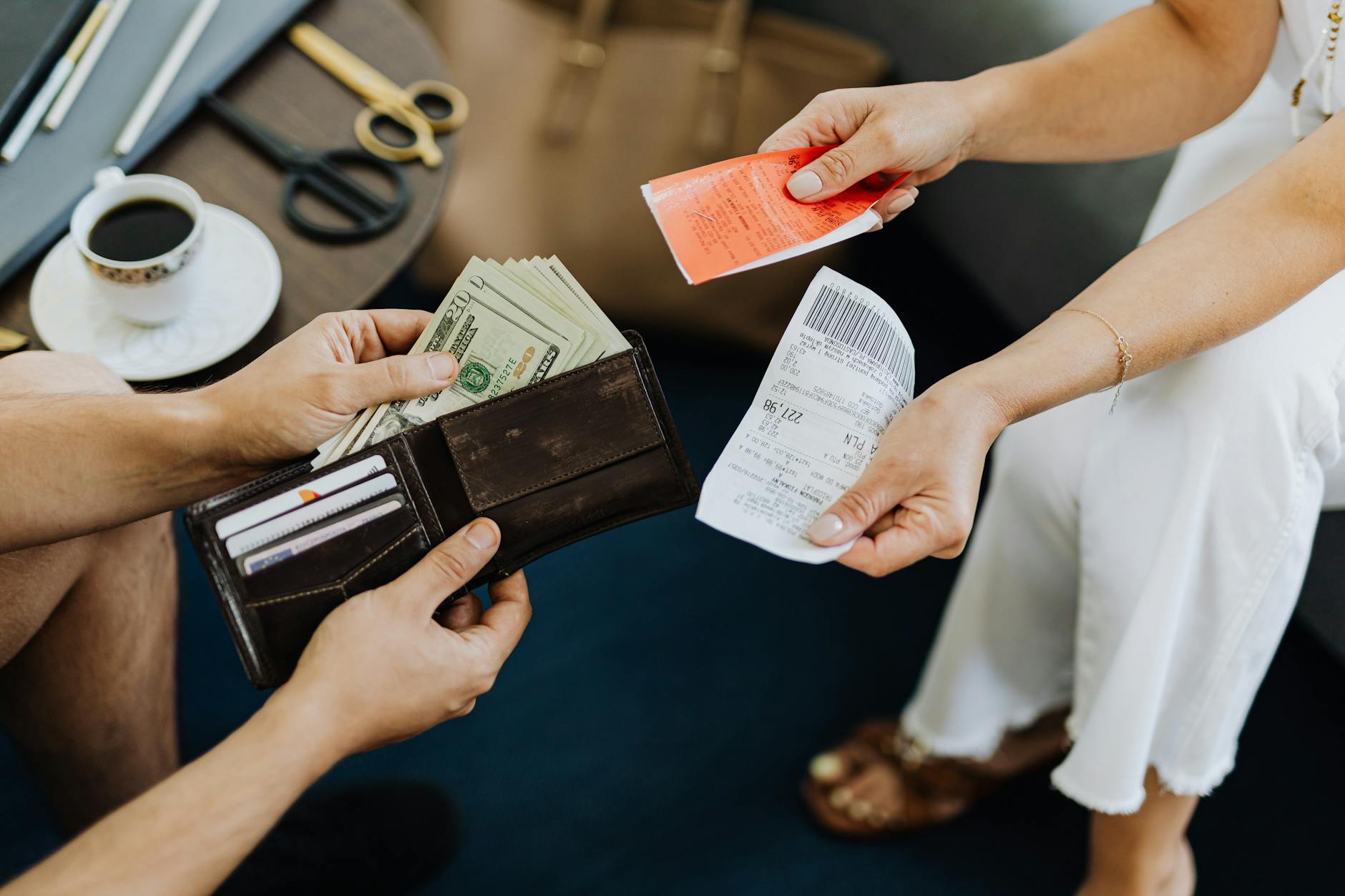
The votes are in!
Key Takeaways
- Users have cast their votes on Google Wallet’s receipt‑scanning feature.
- The voting outcome signals broad approval of the tool.
- Receipt scanning is now a core part of the Google Wallet experience.
| Metric | Value | Why it matters |
|---|---|---|
| Feature | Google Wallet receipt scanning | Turns paper receipts into searchable digital records. |
| Feedback | The votes are in! | Shows that a voting process has concluded. |
| Result | Won over most users | Indicates strong user endorsement. |
What the voting revealed
Google Wallet recently asked its user base to weigh in on the receipt‑scanning capability. The simple statement “The votes are in!” confirms that the poll has closed and the outcome is now public. While the exact numbers were not disclosed, the phrasing used by the company suggests a positive consensus.
How receipt scanning works in Google Wallet
The feature lets users capture a photo of a purchase receipt directly from the Google Wallet app. Once the image is taken, the app extracts key details—such as merchant name, date, and amount—and stores them alongside the transaction record. This creates a searchable digital archive that can be accessed without digging through physical paperwork.
Why the feature matters to everyday users
Digital receipt management reduces the friction of manual entry and helps users keep track of expenses for budgeting, tax preparation, or warranty claims. By integrating the scanner into a wallet that already handles payments, Google streamlines the financial workflow into a single, unified experience.
Context within Google Wallet’s roadmap
Google Wallet has been evolving from a simple payment app into a broader personal finance hub. Adding receipt scanning aligns with the company’s push to embed more financial utilities—such as loyalty cards, transit passes, and budgeting tools—into a single platform. The positive voting outcome reinforces the strategic direction of expanding the app’s utility beyond payments alone.
Why it matters
User endorsement, as expressed through the voting process, signals that the receipt‑scanning tool resonates with real‑world needs. When a feature garners widespread approval, it often receives continued investment, refinements, and deeper integration with other services. For consumers, this means a more reliable, feature‑rich wallet that can replace multiple standalone apps.
Frequently asked questions
How do I start using receipt scanning in Google Wallet?
Open the Google Wallet app, select the option to add a receipt, and capture the receipt with your device’s camera. The app will automatically process and store the information.
Is the scanned data stored securely?
Google Wallet stores receipt data in the same encrypted environment used for payment information, ensuring that personal financial details remain protected.
Can I edit the extracted receipt details?
Yes, after the scan completes, users can manually adjust any fields that were misinterpreted before saving the record.
Will the receipt data sync across my devices?
Receipt entries are linked to the user’s Google account, so they appear on any device where the same account is signed in.
What types of receipts are supported?
The scanner works with standard paper receipts, including those with printed text and barcodes. It can also handle digital receipts displayed on screens.
Bottom Line
The completion of the user vote—summarized by “The votes are in!”—indicates strong approval of Google Wallet’s receipt‑scanning feature, confirming that the tool has resonated with a broad segment of its audience and is likely to remain a staple of the app’s financial toolkit.
Reporting based on: original source.
Comments
Post a Comment