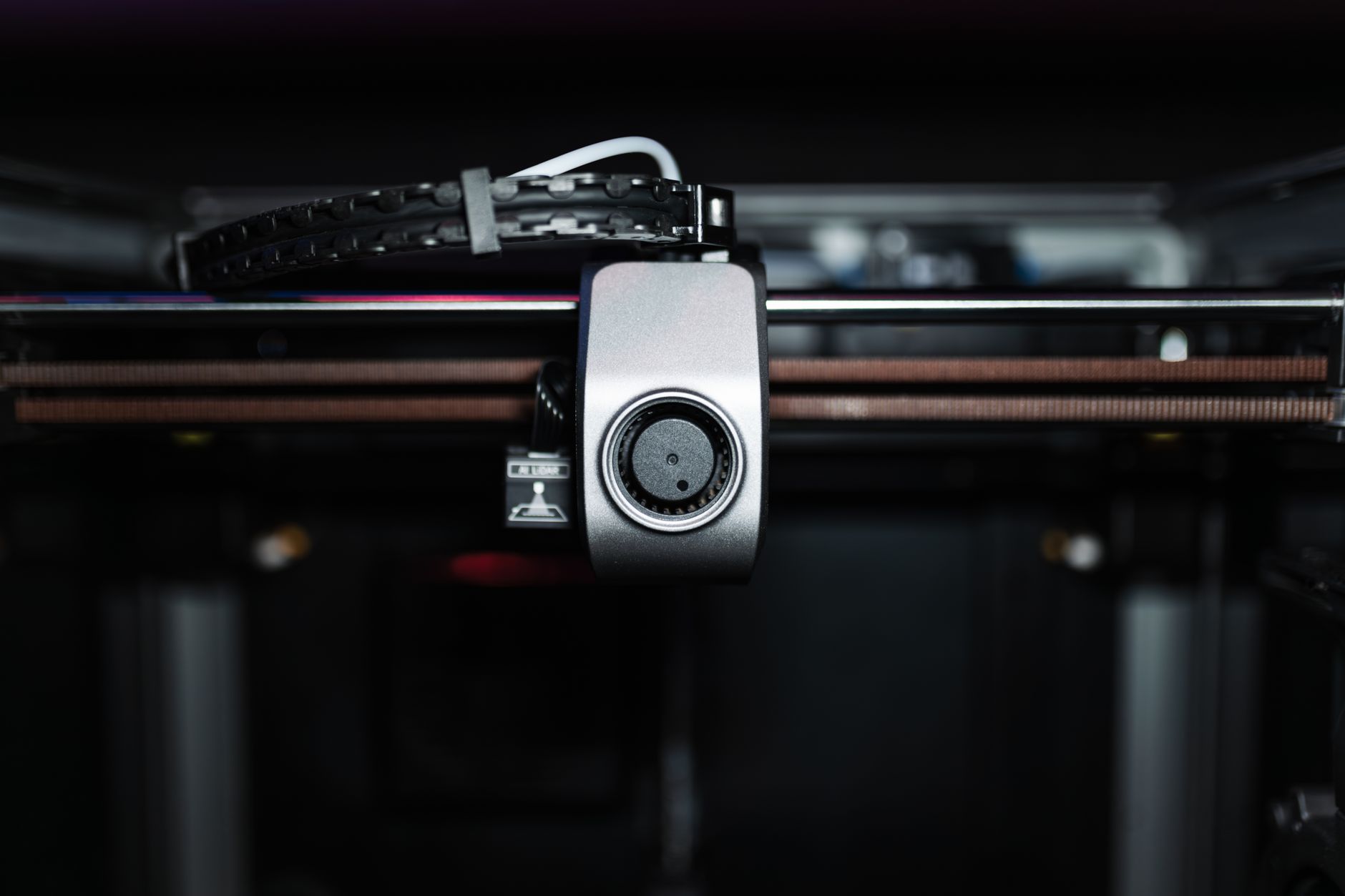
Fused Deposition Modeling, commonly abbreviated as FDM, is a 3‑D printing process that builds objects layer by layer by melting thermoplastic filament and extruding it along a CAD‑derived toolpath. The technique is prized for its quick turnaround, low material and equipment costs, and minimal maintenance, making it a staple for prototyping and budget‑conscious users.
Key Takeaways
- FDM stands for Fused Deposition Modeling and relies on melting thermoplastic filament.
- Print times range from minutes to a few hours for small prints.
- Low material and equipment costs, plus minimal maintenance, drive its popularity.
- Common filaments include PLA, PETG, ABS, TPU, nylon, wood, metal, HDPE, and PETT.
- Limitations such as low resolution, warping, and weaker Z‑axis strength push users toward SLA, DLP, or SLS for high‑precision parts.
| Metric | Value | Why it matters |
|---|---|---|
| Print Speed | Minutes to a few hours (small prints) | Enables rapid prototyping and quick iteration cycles. |
| Material Cost | Low | Keeps overall production expenses down for hobbyists and professionals alike. |
| Maintenance | Minimal | Reduces downtime and simplifies user workflow. |
| Filament Variety | PLA, PETG, ABS, TPU, nylon, wood, metal, HDPE, PETT | Provides flexibility for diverse material properties and applications. |
What Is FDM?
FDM is a type of additive manufacturing that constructs objects by extruding melted thermoplastic filament through a heated nozzle. The nozzle follows a toolpath derived from a CAD model, depositing material layer after layer until the final geometry is achieved.
How Does FDM Work?
The process begins with a spool of filament—commonly PLA or PETG for beginners—loaded into the printer. The filament is fed into a hot end where it reaches temperatures sufficient to melt the polymer. As the nozzle moves along the X and Y axes, it extrudes the molten material onto a build platform. Each successive layer is bonded to the one below, gradually building the part in the Z direction.
Why FDM Is Popular
FDM’s appeal lies in its combination of speed, affordability, and ease of use. The ability to finish a small print in minutes to a few hours means designers can iterate quickly. Material costs are modest, and the printers themselves are inexpensive compared to other 3‑D printing technologies. Maintenance is also minimal; users rarely need to replace complex components or perform elaborate calibrations.
Filament Options and Beginner-Friendly Choices
For newcomers, PLA stands out as an inexpensive, biodegradable option that prints at lower temperatures. PETG offers durability and a glossy finish while maintaining good accuracy. Beyond these, the FDM ecosystem supports a wide range of filaments—ABS, TPU, nylon, wood, metal, HDPE, and PETT—allowing users to tailor material properties to specific applications.
Limitations and When to Choose Alternatives
While FDM printers are ubiquitous among professionals and hobbyists, they exhibit inherent drawbacks. The resolution is lower than that of resin‑based methods, warping can occur during cooling, and the Z‑axis strength is weaker, which may compromise structural integrity. For high‑precision or high‑strength parts, users often turn to SLA, DLP, SLS, MJF, direct metal laser sintering, or selective laser melting.
High‑End FDM Printers and Precision
Brands such as Prusa Research, Bambu Lab, and Ultimaker offer higher‑end FDM machines that deliver improved precision and reliability. These models often feature advanced motion control, better temperature stability, and refined extrusion systems, making them suitable for more demanding prototyping and production workflows.
Why It Matters
Understanding FDM’s strengths and limitations is essential for anyone selecting a 3‑D printing solution. Its low cost and rapid output make it the go‑to choice for early-stage design and small‑scale production, while its material flexibility and widespread availability ensure it remains a cornerstone of the additive manufacturing landscape.
Frequently Asked Questions
What does FDM stand for?
FDM stands for Fused Deposition Modeling.
How long does a typical FDM print take?
Print times can range from minutes to a few hours for small prints.
Which filaments are best for beginners?
PLA is inexpensive and biodegradable, while PETG offers durability and a glossy finish.
Why might I choose a different printing technology over FDM?
If you need higher resolution, stronger Z‑axis strength, or more precise surface finish, technologies like SLA, DLP, or SLS may be preferable.
Which brands produce high‑precision FDM printers?
Prusa Research, Bambu Lab, and Ultimaker are known for offering higher‑end FDM machines with better precision.
Bottom Line
FDM remains the most common and accessible 3‑D printing method, offering quick turnaround, low cost, and minimal maintenance. Its extensive filament library and the availability of high‑precision models from leading manufacturers make it ideal for prototyping and budget‑conscious production. However, users seeking superior resolution or structural strength should consider resin‑based or laser sintering alternatives.
Reporting based on: original source.
Comments
Post a Comment