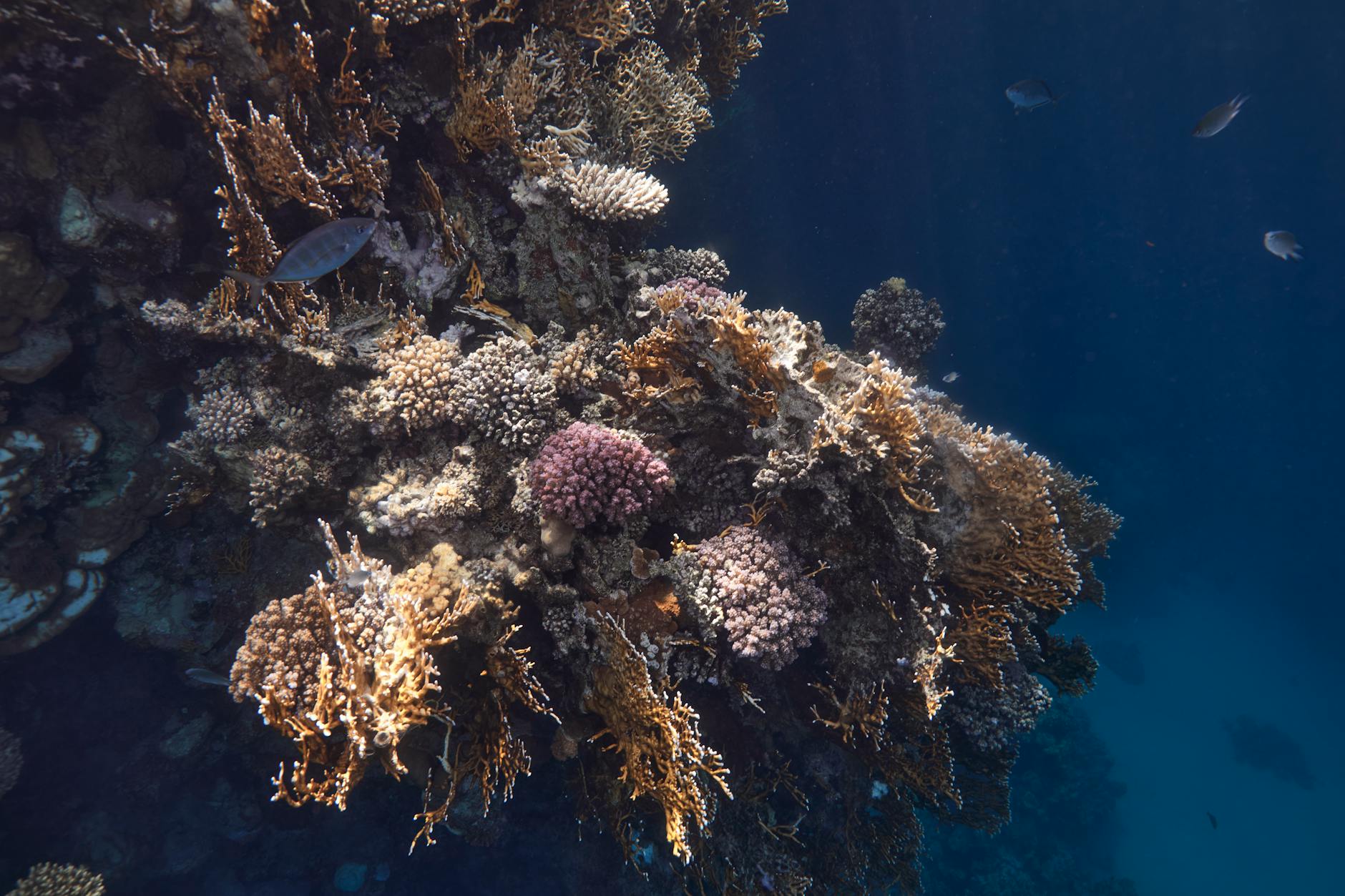
During the summer months of 2023 and again in 2024, unusually intense heat waves placed significant stress on coral ecosystems along Egypt’s Red Sea coast. A survey conducted by the Hellenic Environmental Protection and Conservation Agency (HEPCA) was the primary effort to document the condition of these reefs.
Key Takeaways
- Heat waves in the summers of 2023 and 2024 strained Red Sea coral ecosystems in Egypt.
- The HEPCA survey served as the leading assessment of reef health during this period.
- The observed stress highlights vulnerabilities even in climate‑resilient coral populations.
| Metric | Value | Why it matters |
|---|---|---|
| Heat‑wave year | 2023 (summer) | First recorded strain on the reefs |
| Heat‑wave year | 2024 (summer) | Re‑exacerbated stress on corals |
| Survey organizer | HEPCA | Provided the primary data set on reef condition |
Heat‑Wave Impact on Red Sea Corals
The consecutive summer heat events in 2023 and 2024 pushed temperature thresholds beyond the tolerance limits of many coral species. Elevated sea‑surface temperatures accelerate bleaching, reduce calcification rates, and can lead to mortality if prolonged. In Egypt’s Red Sea sector, the observable outcome was a marked increase in stress indicators across the reef community.
The HEPCA Survey’s Role
The Hellenic Environmental Protection and Conservation Agency (HEPCA) organized a field survey that became the central source of information on the reefs’ health during the heat‑wave period. By systematically recording bleaching prevalence, tissue loss, and species composition, the survey offered a baseline for assessing the severity of the thermal stress.
Understanding Climate‑Resilient ‘Super Corals’
Scientists have identified certain coral genotypes that exhibit higher tolerance to temperature spikes, often dubbed “super corals.” The recent heat waves, however, revealed that even these robust variants are not immune to repeated extreme warming. The findings suggest that resilience has limits and that ongoing monitoring is essential.
Implications for Regional Marine Management
The documented strain underscores the need for adaptive management strategies along Egypt’s coastline. Protecting water quality, reducing local stressors, and establishing marine protected areas can help mitigate the compounded effects of climate‑driven heat events.
Why it matters
Coral reefs support biodiversity, fisheries, and tourism revenue for Egypt. The observed degradation from back‑to‑back heat waves threatens these ecosystem services and signals broader climate vulnerability for marine habitats traditionally considered resilient. Monitoring initiatives like the HEPCA survey become critical tools for early warning and policy response.
Frequently asked questions
When did the heat waves occur?
The extreme temperature events took place during the summer seasons of 2023 and 2024.
Which region’s coral ecosystems were affected?
The reefs along Egypt’s Red Sea coastline experienced the stress.
Who conducted the primary assessment of the reefs?
The Hellenic Environmental Protection and Conservation Agency (HEPCA) led the survey.
What was the purpose of the HEPCA survey?
It aimed to document the condition of the coral ecosystems under the heat‑wave stress.
Why should stakeholders be concerned?
The strain on coral health threatens biodiversity, local economies, and the long‑term viability of climate‑resilient reef species.
Bottom Line
Heat waves in the summers of 2023 and 2024 placed unprecedented stress on Egypt’s Red Sea coral ecosystems, and the HEPCA‑led survey confirmed that even climate‑resilient “super corals” are vulnerable to repeated extreme warming.
Continued observation and proactive management will be essential to safeguard these marine assets as global temperatures rise.
Reporting based on: original source.
Comments
Post a Comment