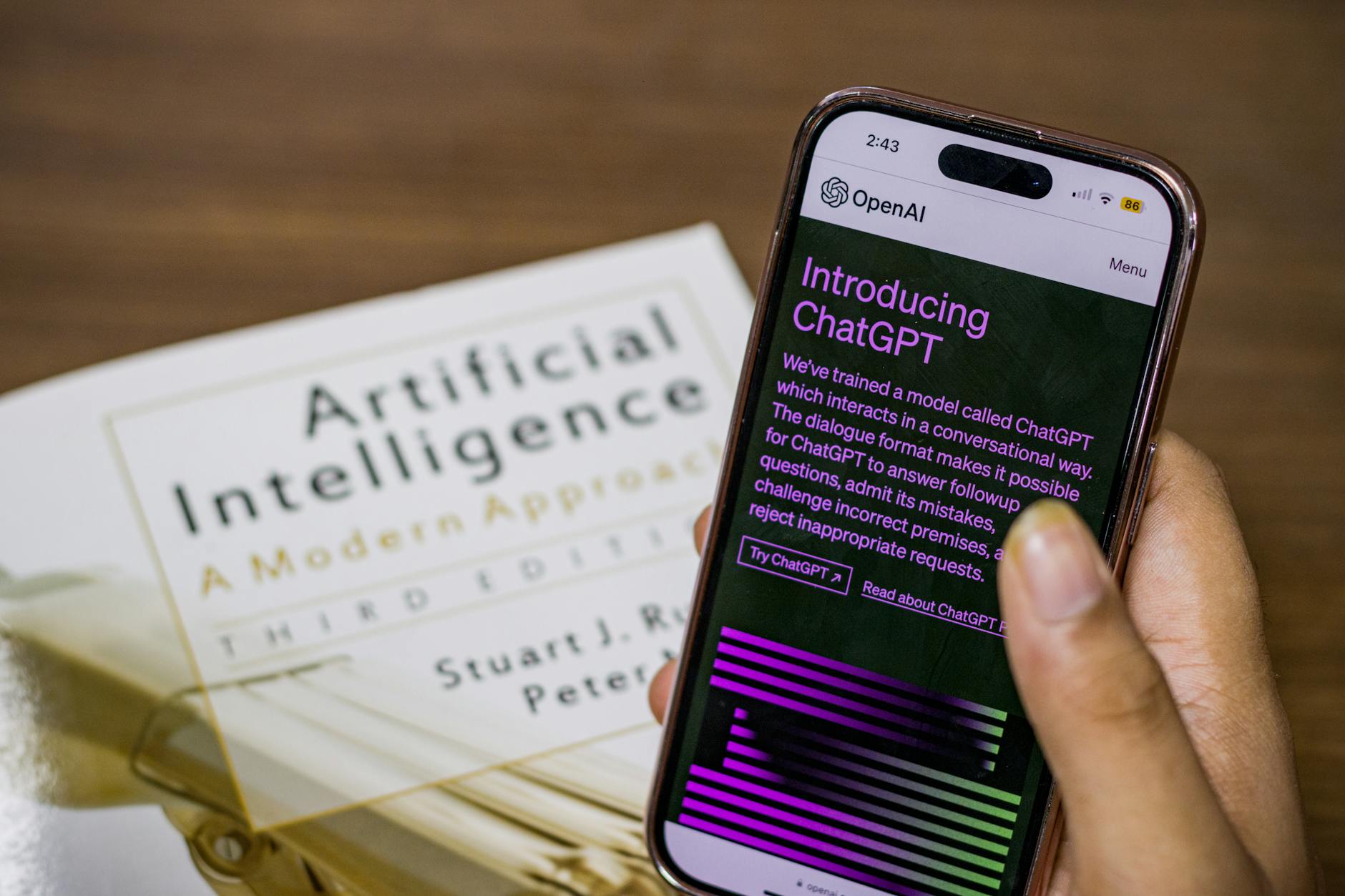
A flaw in OpenAI’s macOS version of ChatGPT could have enabled attackers to seize control of the application on a victim’s computer, exposing chat logs, stored data, and even browser sessions. The issue was uncovered by researchers at the Objective‑See Foundation and publicly addressed by OpenAI in a system change log dated September 25.
Key Takeaways
- Objective‑See researchers discovered a privilege‑escalation bug that could let an attacker hijack ChatGPT on macOS.
- The exploit could grant access to chat logs, stored data, and browser sessions, and could run arbitrary commands under the guise of legitimate OpenAI requests.
- OpenAI acknowledged the flaw and released a patch on September 25, noting a need to accelerate security practices.
- Patrick Wardle highlighted that AI agents require extensive system access, making them attractive targets for attackers.
- Similar vulnerabilities were found in Meta’s Muse AI and OpenAI’s Dots AI integration, underscoring a broader trend of feature‑driven security gaps.
| Metric | Value | Why it matters |
|---|---|---|
| Discovered by | Objective‑See Foundation | Identified critical flaw in a widely used AI app |
| Patch date | September 25 | Public acknowledgment and fix released |
| Exploit complexity | ~12 lines of code | Trivial to execute |
What the Vulnerability Entails
The macOS ChatGPT client is built from multiple components that communicate through digitally signed messages. These signatures are verified at three layers to ensure that only legitimate OpenAI processes can issue requests. The design aims to prevent malicious software from masquerading as an OpenAI component.
How the Exploit Works
Objective‑See researchers identified a trusted script interpreter within the application that accepts untrusted scripts. By spawning this interpreter three times, an attacker can bypass the parent and grandparent checks, injecting a malicious script into the main ChatGPT process. The proof‑of‑concept required only a dozen lines of code, allowing the attacker to read chat logs, access stored data, and launch commands that appear to originate from the app itself.
“Agents need a lot of access to do their job… They are like the building manager who has access to the keys to all the rooms. So if they can be corrupted or subverted, that’s super problematic. It can mean that unprivileged code could then potentially have access to all the things.” — Patrick Wardle, Objective‑See Foundation
OpenAI’s Response
OpenAI publicly acknowledged the security flaw and released a patch in its system change log on September 25. Spokesperson Shane Bauer stated, “We continue to evolve our security practices, but recognize a need to move faster.” The company’s response underscores the growing pressure on AI developers to tighten security as feature sets expand.
“We continue to evolve our security practices, but recognize a need to move faster.” — Shane Bauer, OpenAI spokesperson
Broader Implications for AI Security
Patrick Wardle has highlighted similar vulnerabilities in other AI products. A flaw in Meta’s Muse AI dictation feature could have let a local attacker capture an authentication token, while a new report on OpenAI’s Dots AI integration is under review. Wardle notes that the rapid addition of features expands attack surfaces, often treating security as an afterthought.
Why It Matters
AI applications like ChatGPT are increasingly integrated into daily workflows, handling sensitive conversations and data. A flaw that grants full system control not only jeopardizes personal privacy but also exposes corporate environments to potential data exfiltration. The ease of exploitation—just a dozen lines of code—highlights the urgency for robust, multi‑layered authentication and continuous security audits in AI software.
Frequently Asked Questions
Who discovered the vulnerability?
The flaw was identified by researchers at the Objective‑See Foundation, a security organization focused on macOS.
When was the patch released?
OpenAI released the fix on September 25, as documented in its system change log.
What could an attacker do with the exploit?
With the exploit, an attacker could read ChatGPT chat logs, access stored data, hijack browser sessions, and execute arbitrary commands under the guise of legitimate OpenAI requests.
Are other AI products affected?
Similar security issues have been found in Meta’s Muse AI and in OpenAI’s integration with its Dots AI assistant, indicating a broader pattern of feature‑driven vulnerabilities.
What steps should users take?
Users should ensure they run the latest patched version of the ChatGPT macOS app and remain vigilant for any unusual application behavior.
Bottom Line
The macOS ChatGPT vulnerability demonstrates that AI applications, while powerful, can become high‑value targets when they rely on extensive system privileges. Prompt patching and a shift toward security‑first development are essential to protect users as AI tools continue to evolve.
Reporting based on: original source.
Comments
Post a Comment