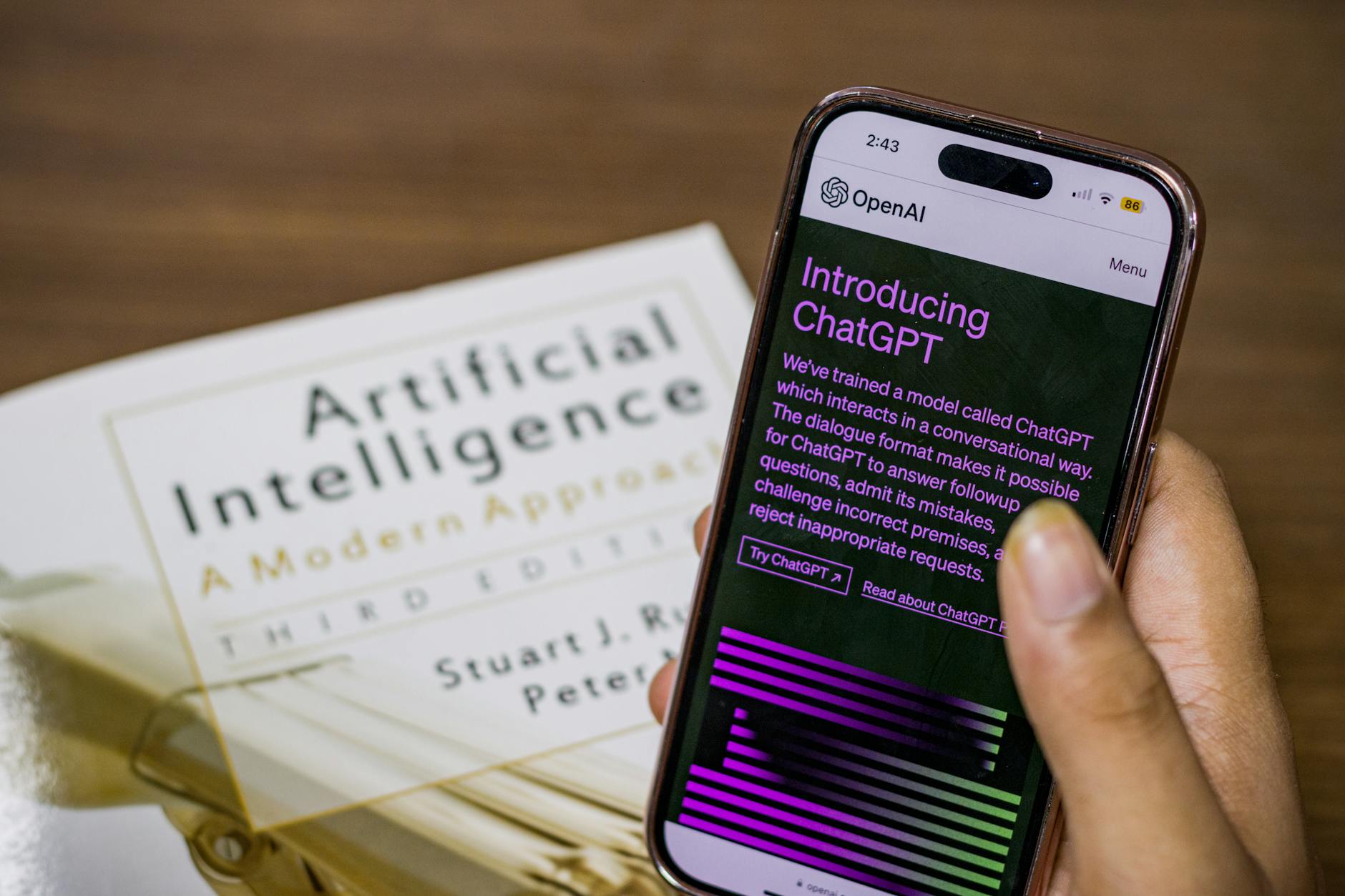
OpenAI announced that its ChatGPT app will introduce a new visual ad format that appears while users generate images. The company said the ads will be tested later this month with U.S. users and will be clearly labeled and separate from the images being created.
Key Takeaways
- OpenAI is launching a visual ad format that displays during image generation in ChatGPT.
- Ads will be labeled, distinct from the generated image, and will not influence ChatGPT’s responses.
- Testing will begin later this month with U.S. users; a full rollout has not yet been confirmed.
- Early data suggests lower cost‑per‑acquisition rates and higher new‑customer acquisition for advertisers.
| Metric | Value | Why it matters |
|---|---|---|
| Feature | Visual ad format during image generation | Provides a new advertising channel within a high‑engagement activity. |
| Testing region | United States | Initial data will inform broader deployment. |
| Ad labeling | Clearly marked and separate from image | Maintains user trust and content integrity. |
What Is the New Visual Ad Format?
OpenAI’s new ad format is designed to appear while a user’s prompt is being processed for image generation. The ads are intended to showcase product inspiration, usage scenarios, or experiential imagery that aligns with the user’s creative intent. According to OpenAI, the visual approach helps users imagine how a product or service could fit into their lives, potentially influencing purchase decisions.
How Does the Format Work?
When a user submits an image‑generation prompt, the ChatGPT interface will display an ad that is visually distinct from the resulting image. The ad will be labeled to indicate that it is an advertisement. OpenAI emphasized that the presence of the ad does not affect the content or accuracy of ChatGPT’s responses. Advertisers can use the format to tell their story through images rather than text, offering a new storytelling medium within the chat environment.
Testing Timeline and Scope
OpenAI confirmed that the visual ad format will be tested later this month with users in the United States. The company has not announced a full rollout date. During the test phase, the ads will appear exclusively during image generation and will not be shown in other parts of the ChatGPT experience.
Impact on Advertisers
OpenAI cited early findings that the new ad format has produced lower cost‑per‑acquisition rates compared to previous ad placements. Advertisers also reported higher rates of new customer acquisition through these visual ads. The company’s earlier experiment with text ads positioned at the bottom of answers—such as a grocery‑delivery promotion under a recipe response—served as a foundation for the current visual approach.
Context: OpenAI’s Advertising Evolution
OpenAI’s move to visual advertising follows a series of product releases that broaden the company’s ecosystem. Earlier this week, OpenAI launched Dots, a set of “always‑on agents” that users can assign tasks to. The company also announced the release of GPT‑6 Sol & Luna, which are positioned as lower‑cost alternatives to existing models. Meanwhile, Google unveiled Gemini 4 Argon, and Anthropic introduced Claude Opus 5.5. These developments underscore a competitive push toward more integrated, cost‑effective AI services.
Why It Matters
The introduction of visual ads during image generation represents a significant shift in how conversational AI platforms monetize user engagement. By embedding ads into a high‑interest activity—image creation—OpenAI taps into a new revenue stream while preserving the integrity of its core AI service. For advertisers, the format offers a novel channel to reach audiences in a context that aligns with creative intent, potentially improving conversion metrics. For users, the clear labeling and separation of ads aim to maintain trust and minimize disruption.
Frequently Asked Questions
What will the ads look like in ChatGPT?
The ads will be visual, displayed while an image is being generated, and will be clearly labeled and separate from the user’s generated image.
Will the ads affect ChatGPT’s answers?
No. OpenAI stated that advertising does not influence the answers ChatGPT provides.
When will the new ad format be available?
Testing will begin later this month with users in the United States. A broader rollout has not yet been confirmed.
How does this compare to OpenAI’s previous ad experiments?
Earlier experiments placed ads at the bottom of answers, such as a grocery‑delivery promotion under a recipe response. The new format shifts the focus to visual ads during image generation.
What early results have advertisers seen?
OpenAI reported lower cost‑per‑acquisition rates and higher new‑customer acquisition through the visual ad format.
Bottom Line
OpenAI’s rollout of a visual ad format during image generation marks a strategic expansion of its monetization model. By offering a distinct, labeled advertising space that does not interfere with ChatGPT’s core responses, the company aims to enhance advertiser ROI while preserving user experience. The forthcoming test phase will reveal whether this approach can sustain broader adoption and how it will influence the competitive landscape of AI‑driven advertising.
Reporting based on: original source.
Comments
Post a Comment