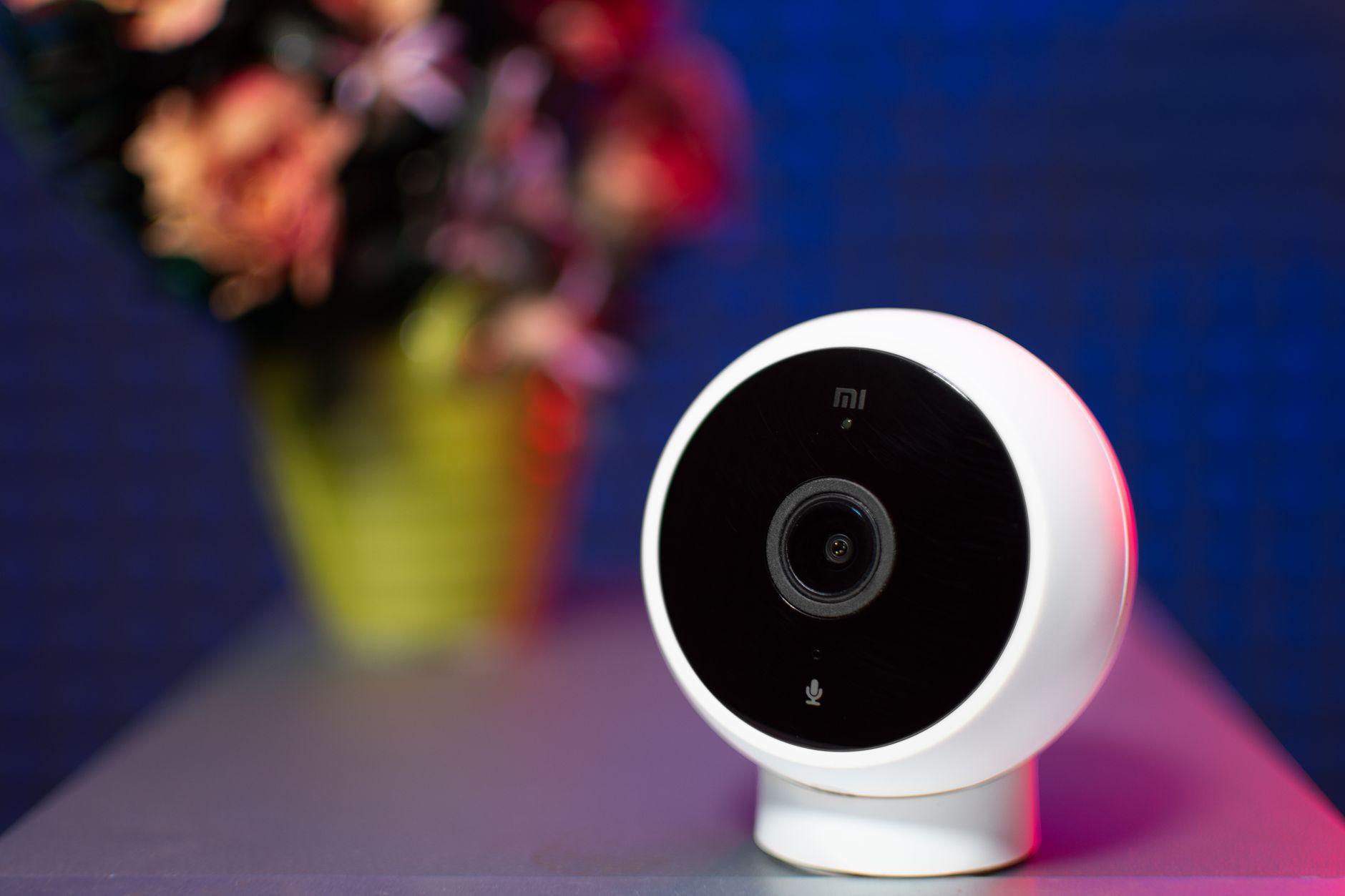
Apple is reportedly developing a smart‑home camera that will not capture video footage of anyone inside a home. The device, which will use artificial intelligence to analyze activity without filming it, is expected to launch later in October as part of the company’s expanding home hub ecosystem.
Key Takeaways
- Apple’s new camera will not record video, instead relying on AI to detect movement and faces.
- The device is cylindrical, low‑frame‑rate, and designed to work with an unannounced smart‑home display called J490.
- Notifications are delivered as text descriptions, not video clips, raising privacy benefits but limiting law‑enforcement utility.
- Technology mirrors plans for AirPods that will carry tiny embedded cameras for low‑resolution stills only.
| Metric | Value | Why it matters |
|---|---|---|
| Company | Apple Inc. | Leading tech firm expanding into smart‑home security. |
| Device | Smart‑home camera (no video recording) | Differentiates Apple from competitors by prioritizing privacy. |
| Release window | Later in October | Aligns with Apple’s home hub launch. |
| Technology | AI‑driven facial recognition, low‑frame‑rate sensor | Enables motion detection without recording. |
What Is Apple’s New Smart‑Home Camera?
According to Apple insider Mark Gurman, the company is building a compact, cylindrical camera that resembles a chapstick in shape. The device is designed to be installed around a home, acting as a companion to an unannounced smart‑home display internally named J490. Gurman notes that the camera will operate at a very low frame rate and will not offer any video‑recording capability.
How It Works: AI‑Driven Activity Analysis
Rather than capturing moving images, the camera’s sensor will feed data into an on‑device AI engine that analyzes movement and facial features. The system can detect when someone walks into a room and will send the homeowner a text description of the encounter. While the device may not provide still images, it will support facial recognition, allowing it to identify known individuals and alert the user accordingly.
Context: Apple’s Smart‑Home Strategy
Apple’s push into the smart‑home market has accelerated after the company improved Siri in this year’s major OS updates. Gurman has indicated that the long‑awaited home hub, expected to arrive later in October, will serve as the central node for a Siri‑driven ecosystem. Alongside the hub, Apple plans to release more powerful versions of the HomePod mini and Apple TV, both of which will support the new AI framework. The camera, however, stands out as the most intriguing addition because of its unique privacy‑centric design.
Privacy Implications and Police Use
Apple’s decision to exclude video recording reflects growing consumer concerns about over‑surveillance and data handling. By limiting the device to AI‑derived text notifications, the company aims to reduce the amount of personal data stored or transmitted. Gurman cautions that the absence of video footage could limit the camera’s usefulness in a burglary scenario, as law enforcement would not have visual evidence to review. Nevertheless, the privacy advantage could make Apple’s offering appealing to users wary of continuous video capture.
Technical Parallels: AirPods With Cameras
Gurman added that the camera will employ technology similar to what Apple is planning for AirPods equipped with cameras. Early code from macOS Tahoe 26.7 revealed that each AirPod will contain a tiny embedded camera capable of taking extremely low‑resolution RGB still images. These images will be processed by Apple’s Visual Intelligence framework. In the wake of Meta’s “pervert glasses” controversy, Apple’s camera‑equipped AirPods are expected not to take pictures or record video, mirroring the privacy stance of the smart‑home camera.
Why It Matters
Apple’s approach signals a shift in the smart‑home security market toward privacy‑first solutions. By eliminating video recording, the company sidesteps many of the legal and ethical debates that have plagued competitors. For users who value data protection, the device offers a compelling alternative. However, the trade‑off is reduced evidentiary value for law enforcement, which may limit the camera’s appeal to security‑heavy consumers. The integration with Siri and the broader home hub ecosystem also positions Apple to capture a larger share of the smart‑home market, potentially redefining industry standards for privacy and AI‑driven monitoring.
Frequently Asked Questions
Who is developing the camera?
Apple Inc., as reported by insider Mark Gurman.
When will the camera be available?
It is expected to launch later in October, alongside Apple’s home hub.
What does the camera look like?
It is a small, cylindrical device resembling a chapstick.
Does the camera record video?
No. It operates at a low frame rate and does not offer video recording.
How does the camera detect people?
It uses AI to analyze movement and facial features, sending text descriptions to the homeowner.
Will the camera provide still images?
The source does not confirm that still images are available; the focus is on AI analysis.
How does this compare to Apple’s AirPods with cameras?
Both use embedded cameras for low‑resolution stills processed by Visual Intelligence, and neither will record video.
Bottom Line
Apple’s forthcoming smart‑home camera, slated for an October release, will forgo video recording in favor of AI‑driven motion and facial detection. The device’s privacy‑oriented design, coupled with its integration into a broader Siri‑centric ecosystem, positions it as a distinctive option in a crowded market. While the lack of video may limit its utility for law enforcement, it offers a compelling solution for users prioritizing data protection.
Reporting based on: original source.
Comments
Post a Comment