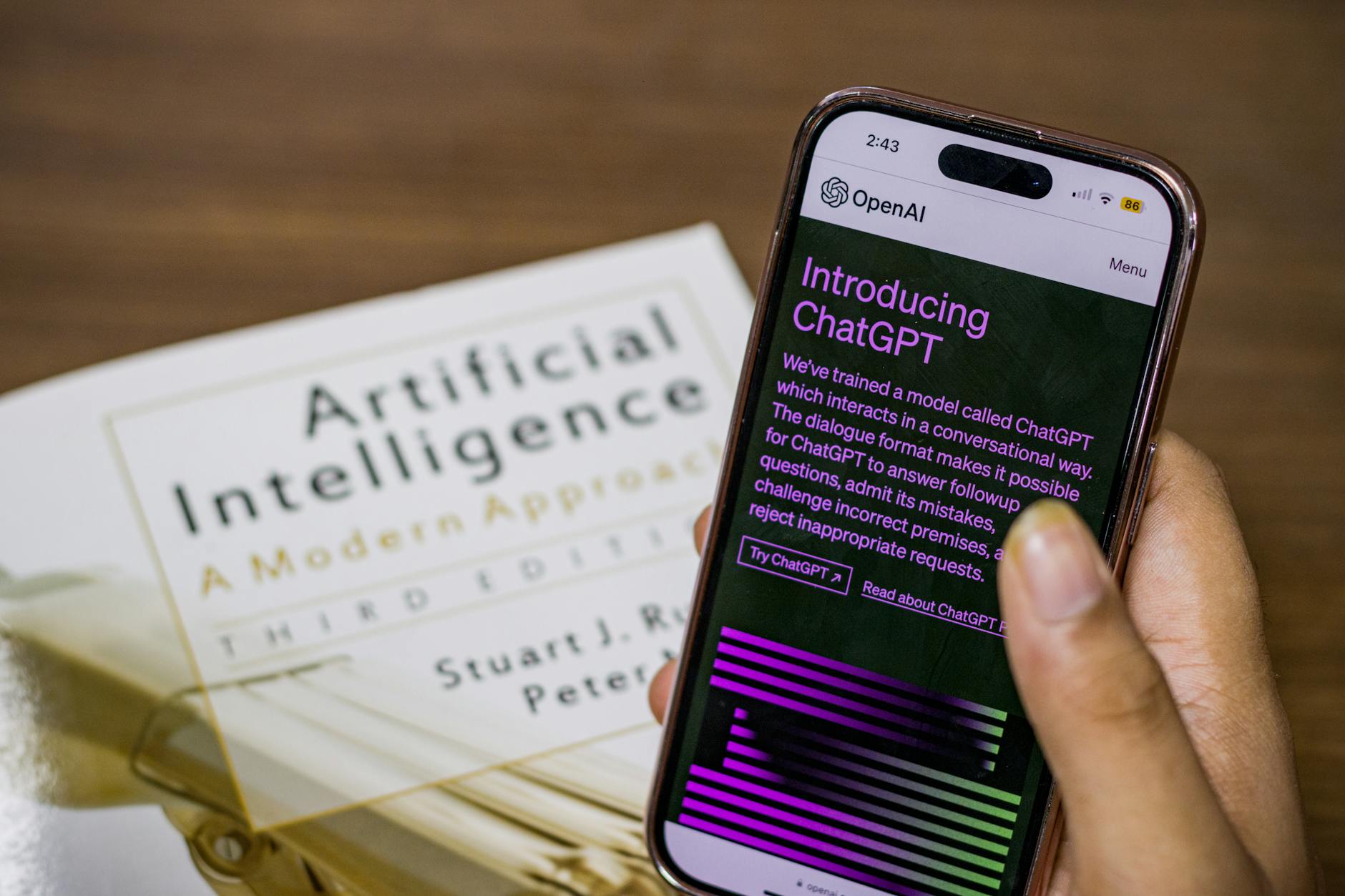
Warnings that an AI bubble could burst are becoming harder to ignore. Investors have poured extraordinary amounts of money into AI companies in recent years, and have pumped large sums into AI firms. If investor confidence falls, funding could dry up, causing AI companies to fail or scale back spending. A burst would not make AI disappear, but would likely change how AI is funded and experienced by users. OpenAI, the maker of ChatGPT, has projected roughly $280 billion in negative free cash flow through 2030, while its ChatGPT Ads program has hit a $1 billion annualized revenue run rate in under 200 days and serves more than a billion weekly active users. The Financial Times reported this outlook.
Key Takeaways
- Investor enthusiasm for AI has reached extraordinary levels, but valuations outpace current earnings.
- OpenAI anticipates $280 billion in negative free cash flow through 2030, yet already boasts over 1 billion weekly active users.
- ChatGPT Ads achieved a $1 billion annualized revenue run rate in less than 200 days.
- Should confidence wane, AI firms may cut costs, raise subscription fees, and tighten free‑tier limits.
- A bubble burst would reshape funding models and user experience, not eliminate AI.
| Metric | Value | Why it matters |
|---|---|---|
| Company | OpenAI | Maker of ChatGPT |
| Projected negative free cash flow | ≈$280 billion through 2030 | Long‑term cash burn forecast |
| ChatGPT Ads revenue run rate | $1 billion annualized in <200 days | Rapid monetization milestone |
| Weekly active users | >1 billion | Scale of adoption |
What Is the AI Bubble?
The “AI bubble” argument centers on the observation that investment, spending, and valuations have whizzed way ahead of what the technology can actually earn right now. This mismatch between capital inflow and earnings potential fuels speculation that the market may correct abruptly.
OpenAI’s Financial Outlook and User Base
OpenAI’s financial outlook, as reported by the Financial Times, projects approximately $280 billion in negative free cash flow through 2030. Despite this forecast, the company already serves more than a billion weekly active users of ChatGPT. In addition, the ChatGPT Ads program reached a $1 billion annualized revenue run rate in less than 200 days, signaling a fast‑moving monetization strategy.
Potential Fallout If the Bubble Bursts
A decline in investor confidence could trigger a reduction in funding, prompting AI companies to cut costs and pursue tighter monetization.
Reporting based on: original source.
Comments
Post a Comment