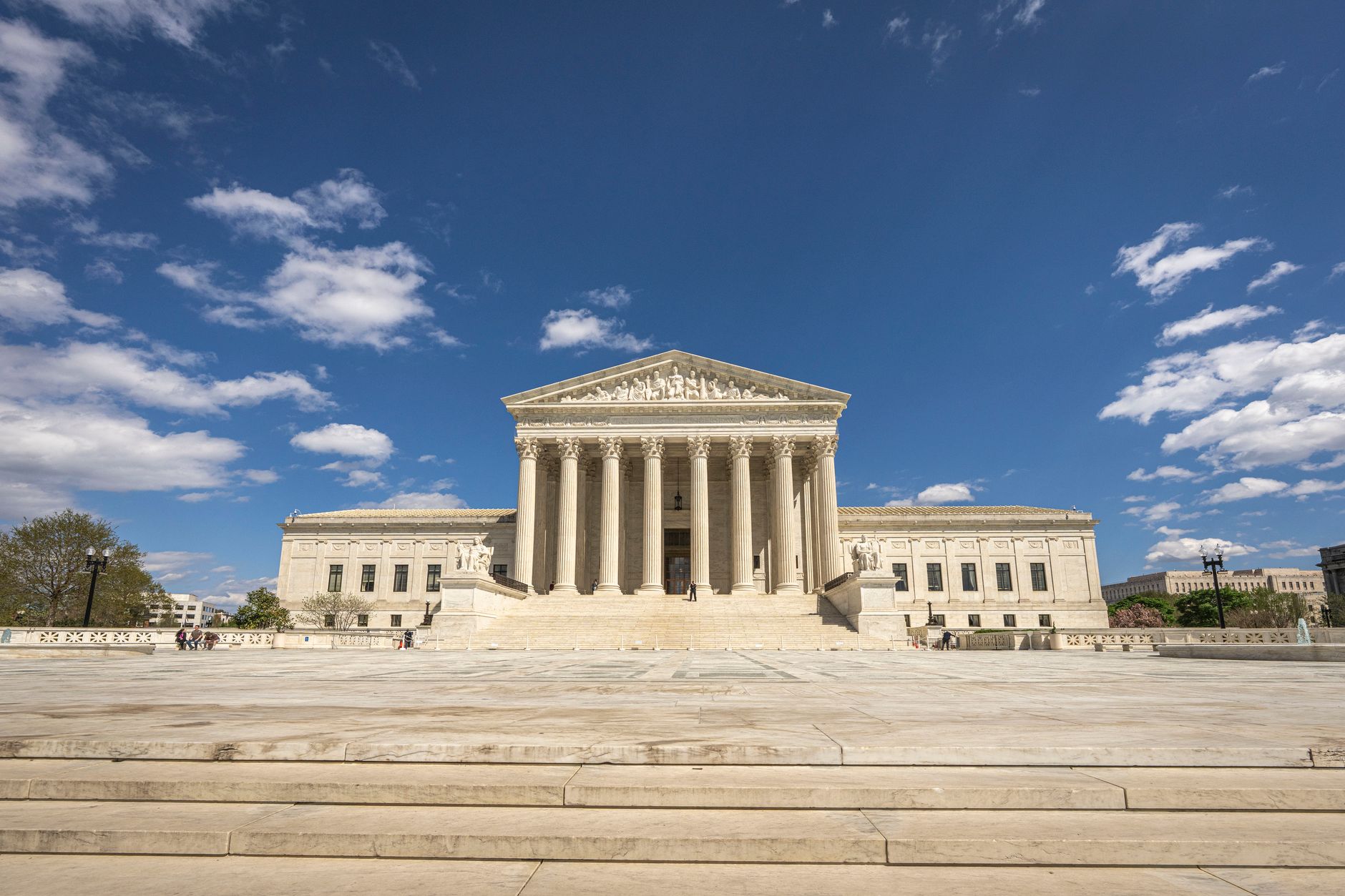
The Supreme Court rejected the Trump administration’s attempt to impose sweeping restrictions on mail‑in voting, issuing a 7‑2 decision that upheld a lower‑court injunction against the United States Postal Service (USPS) just weeks before the November midterm elections. The ruling stops the USPS from enforcing a new rule that would have required states to submit voter eligibility lists for mail‑in ballots.
Key Takeaways
- The Court voted 7‑2 to keep a lower‑court injunction that blocks the USPS from enforcing the new mail‑in ballot rule.
- Conservative justices Samuel Alito and Clarence Thomas dissented; Justice Brett Kavanaugh concurred with a caveat about future applicability.
- The disputed rule would have forced states to provide the USPS with lists of eligible mail‑in voters, a function the agency does not normally perform.
- Political leaders, including Nevada Secretary of State Cisco Aguilar, hailed the decision as a defense of voter rights.
- A USPS whistleblower warned that the software portal for the rule was rushed and technically deficient.
| Metric | Value | Why it matters |
|---|---|---|
| Supreme Court vote | 7‑2 | Blocks the USPS rule ahead of the midterms. |
| Dissenting justices | Samuel Alito, Clarence Thomas | Opposed the injunction, favoring the administration’s plan. |
| Concurring justice | Brett Kavanaugh | Acknowledged possible statutory authority but flagged implementation timing issues. |
| Executive order title | “Ensuring Citizenship Verification and Integrity in Federal Elections” | Mandated state voter‑list submissions to the USPS. |
What the Court Decided and Its Immediate Effect
In a decision written by Justice Brett Kavanaugh, joined by Justice Ketanji Brown Jackson, the Court affirmed the district court’s preliminary injunction that bars the USPS from enforcing the new mail‑in ballot rule. Kavanaugh noted that while the rule might fit within the Postal Service’s statutory authority, applying it to the 2026 elections would be “arbitrary and capricious” because election officials lack sufficient time to implement it.
The Proposed USPS Rule: Mechanics and Controversy
Under the administration’s plan, each state would have been required to send the USPS a list of voters eligible for mail‑in ballots. The USPS would then verify that ballots were dispatched only to individuals on those lists, and it could refuse delivery of ballots that failed to meet new barcode and envelope specifications. Historically, the USPS does not verify voter eligibility; its role is limited to mail transportation.
Legal Journey: From Executive Order to Supreme Court
President Donald Trump signed the executive order in March, prompting immediate legal challenges. Federal courts quickly blocked most provisions, and the administration appealed those rulings to the Supreme Court in July. In a prior conservative‑leaning decision, the Court allowed the rules to proceed on the basis that states had not yet shown standing because the regulations were not yet in effect.
Political Reactions and Stakeholder Statements
Nevada Secretary of State Cisco Aguilar praised the ruling, stating, “Today, Donald Trump lost another battle in his unconstitutional war to choose his own voters, and the American people are winners.” The White House and the USPS declined to comment on the decision.
“Today, Donald Trump lost another battle in his unconstitutional war to choose his own voters, and the American people are winners,” Cisco Aguilar, Nevada’s secretary of state, said.
Technical Concerns: Whistleblower Allegations
Following the ruling, a USPS whistleblower reported that the online portal intended to manage the new voter‑list verification was assembled hastily, lacking the rigor required for a system that could affect nationwide voting. Senator Richard Blumenthal cited the whistleblower’s warning in a letter to the postmaster general, emphasizing that the agency “lacks the technical or operational capability needed to effectively implement” the order’s provisions.
Why It Matters
The decision preserves the existing mail‑in voting infrastructure for the November midterms, preventing a sudden shift that could disenfranchise voters who have already begun using absentee ballots. It also underscores the judiciary’s role in checking executive attempts to reshape election administration without clear statutory authority. Future elections, including the 2026 cycle, may still see legal battles if the administration revisits the rule.
Frequently asked questions
What did the Supreme Court decide regarding the mail‑in voting rule?
The Court voted 7‑2 to uphold a lower‑court injunction that blocks the USPS from enforcing a rule requiring states to submit voter eligibility lists for mail‑in ballots.
Which justices opposed the injunction?
Conservative justices Samuel Alito and Clarence Thomas dissented, arguing against the injunction.
What was the purpose of the March executive order?
Titled “Ensuring Citizenship Verification and Integrity in Federal Elections,” the order demanded that states provide the USPS with lists of voters eligible for mail‑in ballots and allowed the USPS to reject ballots that did not meet new barcode and envelope rules.
How might the ruling affect the upcoming midterm elections?
By keeping the USPS from implementing the new verification system, the ruling ensures that states can continue using their existing mail‑in ballot processes, which many have already begun deploying.
What technical issues were raised about the USPS implementation?
A whistleblower claimed the online portal for the rule was rushed and insufficiently tested, suggesting the USPS lacks the capability to safely roll out the system before the election.
Bottom Line
The Supreme Court’s 7‑2 decision preserves the status quo for mail‑in voting ahead of the November midterms, halting a Trump‑era initiative that would have shifted voter‑list verification to the USPS and potentially disrupted ballot delivery for millions of voters.
The ruling sets a precedent that any future attempts to alter election logistics will face rigorous judicial scrutiny, especially when they intersect with agency capacities and election timelines.
Reporting based on: original source.
Comments
Post a Comment