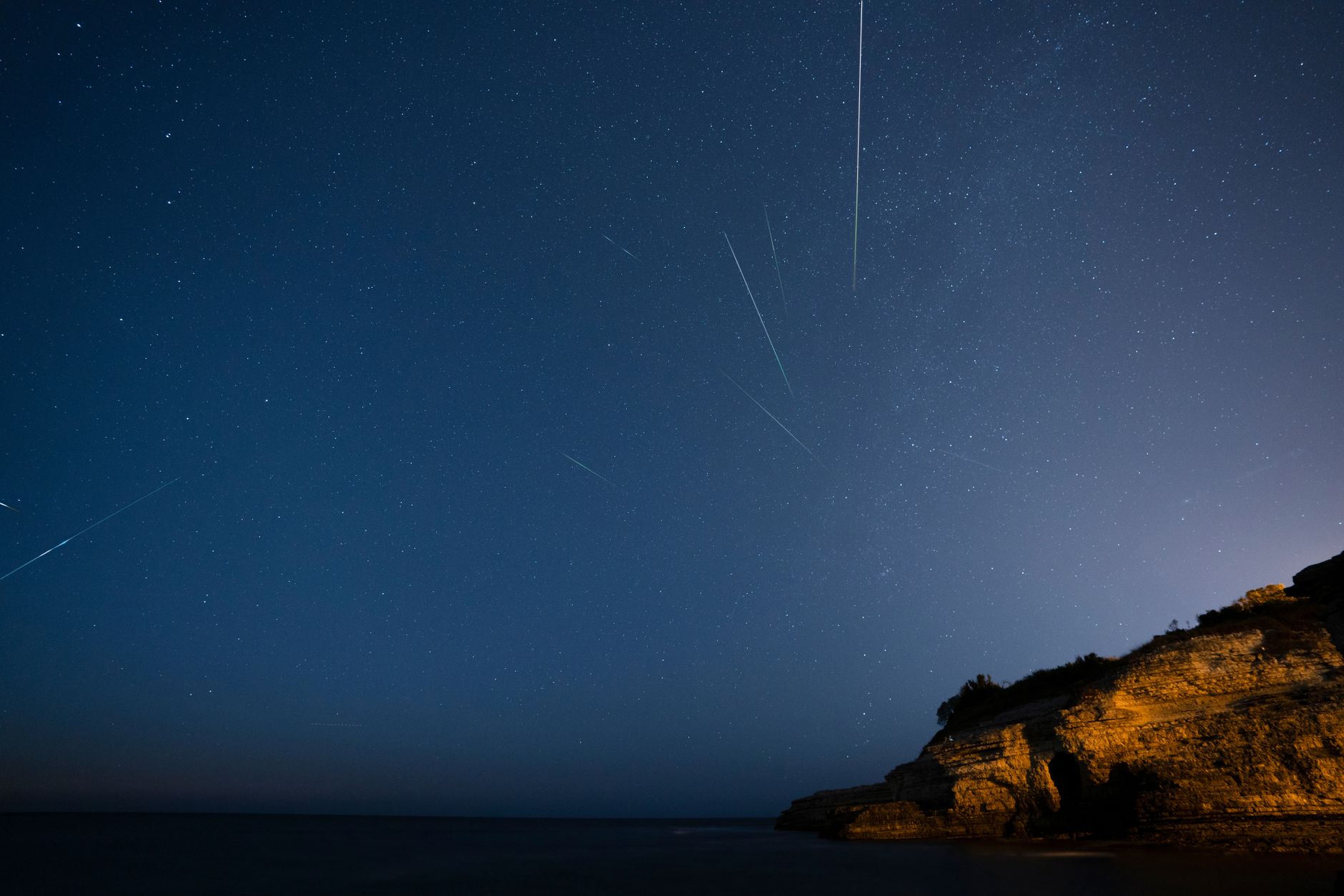
The International Meteor Organization (IMO), the nonprofit that coordinates amateur and professional meteor observations worldwide, announced that a recent cyberattack has crippled its aging infrastructure, taking much of its website offline. The organization expects several weeks of partial downtime while it migrates to new infrastructure.
Key Takeaways
- The IMO’s website is largely offline after a cyberattack that targeted its outdated systems.
- Recovery will take weeks, during which the organization will focus on fireball reporting and use its Facebook page for updates.
- Founded in 1988, the IMO has been central to standardizing meteor observation data and publishing the bimonthly WGN journal.
| Metric | Value | Why it matters |
|---|---|---|
| Organization | International Meteor Organization (IMO) | Global coordinator of meteor observations. |
| Founded | 1988 | Longstanding authority in the field. |
| Cyberattack Impact | Critical blow to aging infrastructure; site largely offline. | Disrupts data collection and community communication. |
| Recovery Timeline | Several weeks of partial downtime. | Users will experience limited access to observation tools. |
What Is the International Meteor Organization?
The IMO is a nonprofit that brings together amateur and professional observers to record meteor events. Its mission is to standardize reporting protocols, maintain a comprehensive database of meteor and fireball observations—including text, photographs, and videos—and publish the bimonthly Working Group News (WGN) journal. The organization’s data are widely used by researchers, educators, and enthusiasts to track atmospheric phenomena and study the origins of meteoroids.
The Cyberattack and Its Immediate Impact
On Wednesday, the IMO released a static page on its website stating that it had suffered a cyberattack that dealt a “critical blow” to its aging infrastructure. The attack took much of the site offline, forcing the organization to shut down key services. The page read: “We recently suffered a cyberattack that dealt a critical blow to aging infrastructure, taking much of our site offline.” The organization expressed disappointment, noting, “I am very sad to see the site down.”
Because the infrastructure was described as aging, the attack exposed vulnerabilities that had not been addressed in years. The loss of access to the site means that observers cannot submit new data through the usual web portal, and the community must rely on alternative channels for the time being.
Response and Recovery Efforts
In the wake of the outage, the IMO has prioritized the reporting of fireball observations, which can still be submitted via a dedicated form. The organization is also providing updates on its Facebook page, offering a temporary communication channel for members. The static page indicates that the IMO expects several weeks of partial downtime as it transitions to new infrastructure and services.
While the organization has not disclosed the exact nature of the breach, the emphasis on “critical blow” suggests that the attack may have compromised core systems or data repositories. The recovery plan involves migrating to modern, more secure infrastructure, a process that will inevitably take time and resources.
The Role of IMO in the Meteor Community
The IMO’s influence extends beyond data collection. By establishing unified standards for meteor observation, the organization has enabled consistent reporting across the globe. Its database of observations—comprising text, photos, and videos—serves as a primary resource for scientific analysis and public outreach. The bimonthly WGN journal disseminates findings and updates, keeping the community informed about new research and procedural changes.
Because the data are largely public, the motive behind the cyberattack remains unclear. Potential reasons could include attempts to disrupt the community’s workflow, sabotage data integrity, or simply exploit outdated systems for malicious gain. The incident highlights the vulnerability of even niche scientific organizations to cyber threats.
Why It Matters
The IMO’s downtime affects more than just a handful of observers. Researchers rely on timely, accurate meteor data to model atmospheric entry, assess impact risks, and study the composition of near‑Earth objects. A prolonged outage could delay scientific publications, hinder educational programs, and reduce the visibility of meteor events to the public. Additionally, the incident serves as a cautionary tale for other scientific nonprofits that may operate on legacy systems.
Frequently Asked Questions
1. Who owns the International Meteor Organization?
The IMO is a nonprofit organization that coordinates amateur and professional meteor observations worldwide.
2. When did the cyberattack occur?
The organization announced the attack on a static page posted on its website on Wednesday.
3. What services are currently affected?
The main website and its data submission portal are largely offline; fireball reporting remains available through a dedicated form.
4. How long will the downtime last?
The IMO expects several weeks of partial downtime while it transitions to new infrastructure.
5. Why was the IMO targeted?
The motive behind the attack is unclear; the organization’s data are mostly public, and the target’s aging infrastructure may have presented an attractive vulnerability.
Bottom Line
The International Meteor Organization’s cyberattack has exposed the fragility of legacy scientific infrastructure and disrupted a vital global network of meteor observers. While the organization is working to restore services, the incident underscores the need for modern security practices even in niche scientific communities. Observers and researchers should monitor the IMO’s Facebook updates and the dedicated fireball reporting form for the time being.
Reporting based on: original source.
Comments
Post a Comment