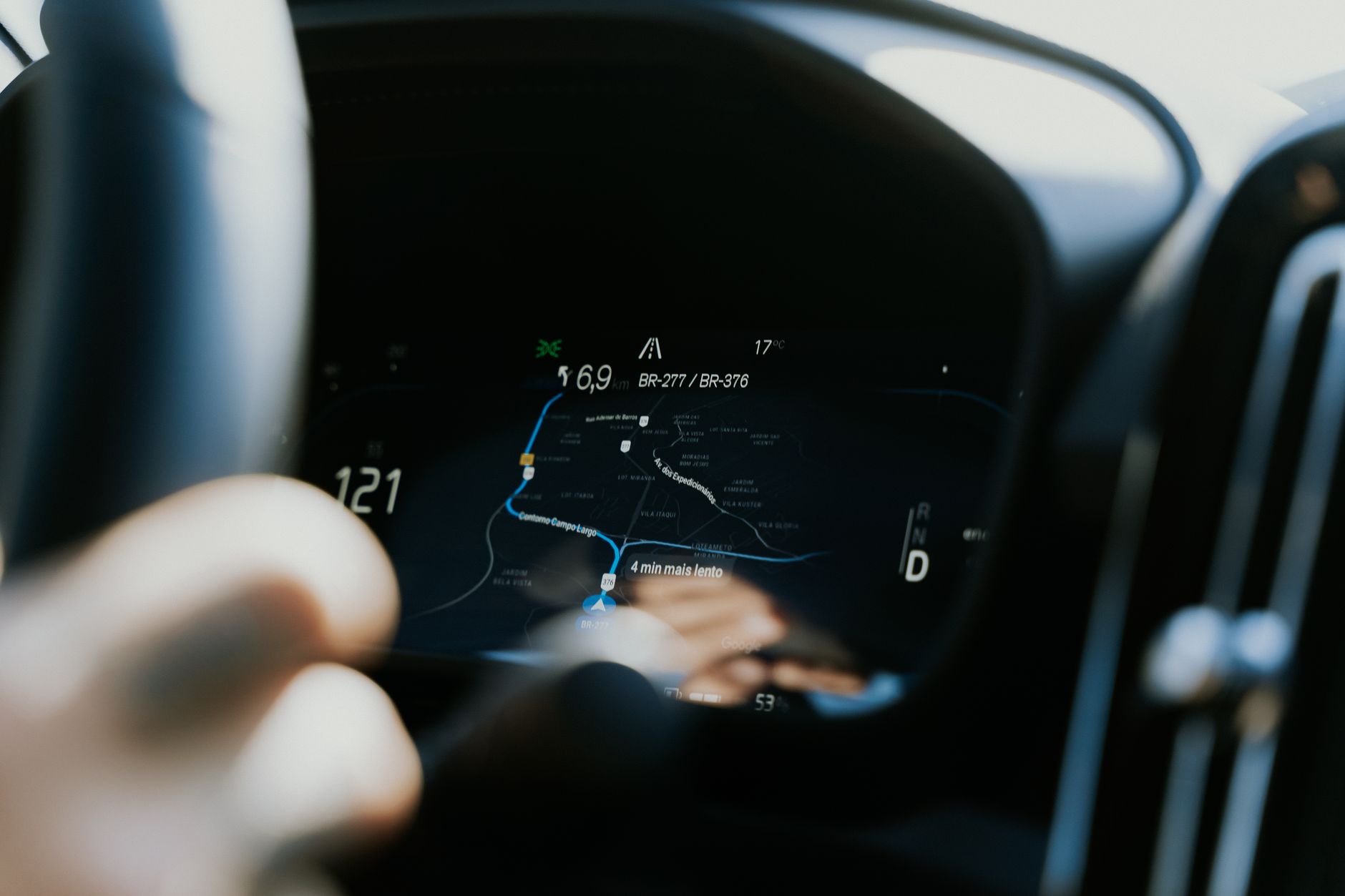
The Federal Trade Commission has imposed a five‑year prohibition on General Motors from selling its customers’ driving‑behavior information to consumer‑reporting agencies and third‑party data brokers. The agency’s action follows revelations that GM collected metrics such as speeding frequency and night‑time driving and supplied them to brokers for insurance‑risk profiling.
Key Takeaways
- FTC’s five‑year ban stops GM from selling driver data to consumer‑reporting agencies and data brokers.
- GM’s data set included speeding frequency and night‑time driving, used for insurance‑risk profiling.
- The automaker shared this data with LexisNexis and Verisk.
- Settlement requires GM to simplify location‑tracking opt‑out and to let drivers access and delete their data.
- Mozilla Foundation researchers labeled privacy and security practices across major U.S. car makers as “horrible” in 2023.
| Metric | Value | Why it matters |
|---|---|---|
| FTC action | Five‑year ban on GM data sales | Limits monetization of driver data |
| Data brokers used | LexisNexis, Verisk | Identifies specific third parties receiving driver data |
| Consumer controls mandated | Opt‑out of location tracking; access & delete data | Gives owners direct agency over personal telemetry |
| Industry privacy audit | Mozilla 2023 study: “horrible privacy and security” | Signals systemic risk beyond GM |
What the FTC ruling covers
The commission’s order explicitly bars GM from providing any driver‑behavior data to consumer‑reporting agencies or third‑party brokers for a period of five years. This restriction applies to any telemetry that can be linked to an individual vehicle, including speed‑related events and nighttime driving patterns.
How GM monetized driving behavior
Prior to the settlement, GM harvested granular driving metrics—such as how often a driver exceeded speed limits and the proportion of miles logged after dark—and packaged them for sale. Insurance companies used the data to refine risk models, potentially affecting premium calculations for millions of policyholders.
The brokers in the data pipeline
Two data‑broking firms received GM’s driver information: LexisNexis and Verisk. Both firms specialize in aggregating consumer data for risk assessment, making them natural partners for insurers seeking richer underwriting inputs.
Consumer‑control provisions in the settlement
Beyond the sales ban, the FTC required GM to redesign its in‑vehicle software so that owners can more easily disable location tracking. The automaker must also provide a user‑friendly portal where drivers can view the data collected about them and request its deletion.
Industry‑wide privacy concerns
The FTC action aligns with broader scrutiny of automotive data practices. Mozilla Foundation researchers examined the privacy policies of every major U.S. car company in 2023 and concluded that the sector exhibited “horrible privacy and security.” Their assessment underscores that GM’s issues are part of a larger pattern of insufficient consumer safeguards.
“horrible privacy and security”
— Mozilla Foundation research, 2023
Why it matters
The ban curtails a revenue stream that leveraged personal driving habits, shifting the balance of power back to vehicle owners. By mandating opt‑out mechanisms and data‑access tools, the settlement sets a de‑facto standard for transparency in the connected‑car ecosystem. Moreover, the Mozilla findings suggest that regulators and consumer advocates may pursue similar actions against other manufacturers, potentially reshaping how the auto industry monetizes telemetry.
Frequently asked questions
What specific data did GM sell?
GM collected driving‑behavior information such as the frequency of speeding incidents and the amount of night‑time driving, then sold those data points to brokers for insurance‑risk profiling.
Which brokers received GM’s data?
The two identified brokers are LexisNexis and Verisk.
How long will the FTC ban last?
The prohibition is effective for five years from the date of the settlement.
What new rights do drivers gain under the settlement?
Drivers can now more easily turn off location tracking and are entitled to a portal that lets them access and delete any data GM has collected about them.
Did other car makers face similar privacy criticism?
Yes. Mozilla’s 2023 review found “horrible privacy and security” across the privacy policies of all major U.S. automotive brands, indicating industry‑wide shortcomings.
Bottom Line
The FTC’s five‑year ban stops General Motors from selling driver telemetry to brokers, forces the company to give owners direct control over location tracking and data deletion, and highlights a broader industry problem flagged by Mozilla’s 2023 privacy audit.
As regulators tighten oversight, consumers can expect tighter data‑privacy safeguards across the connected‑car market, with GM’s settlement serving as a potential blueprint for future actions.
Reporting based on: original source.
Comments
Post a Comment