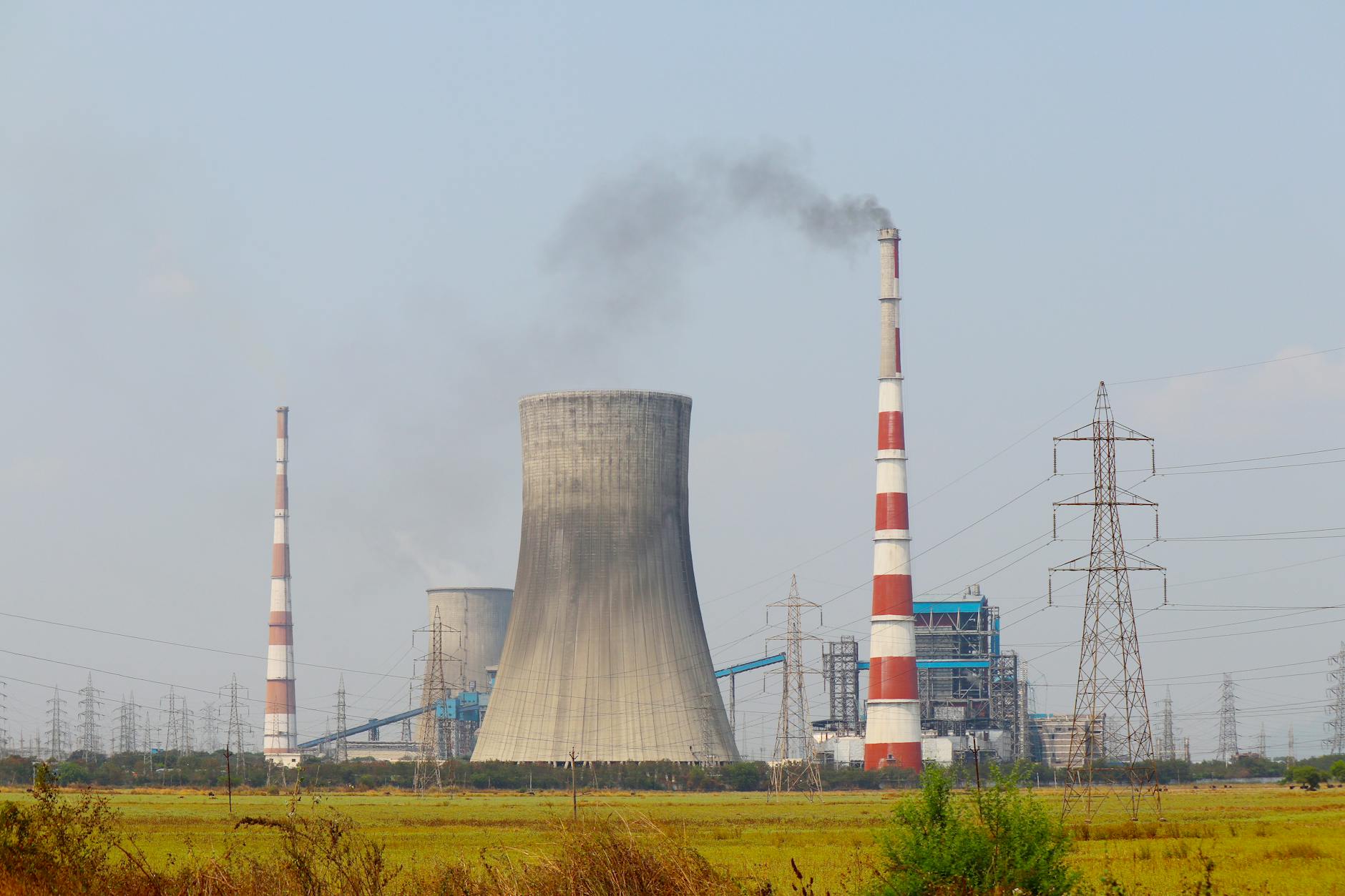
The U.S. Environmental Protection Agency announced a plan to eliminate the greenhouse‑gas limits that power plants must meet by 2039, a rule introduced under the Biden administration. Simultaneously, the agency is advancing a legal argument that the Clean Air Act does not give it authority to regulate power‑plant emissions, claiming that such gases do not harm public health or the environment.
Key Takeaways
- The EPA is seeking to rescind the 2039 emissions‑reduction rule for power plants.
- Agency officials argue the Clean Air Act does not cover greenhouse‑gas regulation.
- Earlier this year the EPA removed the 2009 Endangerment Finding that underpinned its climate authority.
- The United States exited the Paris Agreement in 2025 and left additional climate bodies in 2026.
- Legal challenges are expected, but any delay could affect climate‑risk mitigation timelines.
| Metric | Value | Why it matters |
|---|---|---|
| Targeted rule | 2039 emissions‑reduction deadline for power plants | Sets a timeline for decarbonizing the nation’s largest CO₂ source. |
| Endangerment Finding removal | February 2024 | Undermines the scientific basis the EPA has used to regulate greenhouse gases. |
| Paris Agreement exit | 2025 | Signals a broader retreat from international climate commitments. |
| Withdrawal from other climate bodies | 2026 | Further isolates the U.S. from multilateral climate governance. |
What the EPA Is Proposing
The agency’s latest proposal seeks to nullify the Biden‑era rule that would force most power plants to cut their greenhouse‑gas output by 2039 or face shutdown. In parallel, EPA officials are drafting a legal brief that argues the Clean Air Act—originally designed to curb pollutants like sulfur dioxide and particulate matter—does not extend to carbon dioxide or other greenhouse gases. The brief claims that scientific evidence does not link these gases to public‑health harms or environmental degradation, a stance that runs counter to the consensus of climate researchers.
Regulatory Background and Legal Foundations
The agency’s authority to regulate greenhouse gases was cemented in 2009 when the EPA issued the Endangerment Finding, a scientific determination that several gases posed a threat to health and the environment. That finding served as the legal cornerstone for the Clean Air Act’s application to carbon emissions. In February 2024, the EPA eliminated the Endangerment Finding, effectively removing the statutory justification for climate regulation. The current move to rescind the 2039 rule builds on that earlier rollback.
Potential Environmental Impact
If the EPA succeeds, the United States would lose a key domestic mechanism for curbing power‑plant emissions. Researchers at the United Nations have warned that unchecked greenhouse‑gas output raises the likelihood of more lethal and damaging severe‑weather events. Without a federal emissions ceiling, states would be left to devise their own standards, creating a patchwork of regulations that could delay nationwide decarbonization.
Political Context and International Commitments
The proposal follows a series of actions by the current administration that have weakened the EPA’s climate role. The United States formally exited the Paris Agreement in 2025 and withdrew from several other climate‑focused international organizations in 2026. Those exits, combined with the agency’s internal policy shifts, illustrate a broader strategy to reduce federal involvement in climate mitigation.
What to Watch Next
Legal experts anticipate that environmental groups will file lawsuits challenging both the rescission of the 2039 rule and the agency’s Clean Air Act argument. Court decisions could take months or years, a timeline that clashes with the urgent need to limit global temperature rise. We will be monitoring docket filings, any interim injunctions, and statements from the White House Office of Science and Technology Policy for clues about the administration’s next steps.
Why It Matters
The EPA’s regulatory authority has been a primary tool for the United States to meet its own climate goals and to honor international pledges. Removing that authority not only hampers domestic emission reductions but also weakens the credibility of U.S. climate leadership on the world stage. For investors, utilities, and state policymakers, the uncertainty surrounding federal climate policy could affect capital allocation, grid‑modernization plans, and the pace of renewable‑energy adoption.
Frequently asked questions
What specific rule is the EPA trying to rescind?
The agency is targeting the Biden administration’s 2039 emissions‑reduction rule that would require most power plants to eliminate the majority of their greenhouse‑gas output or face closure.
Why does the EPA claim the Clean Air Act does not cover greenhouse gases?
EPA officials are advancing an argument that the Clean Air Act was written to address traditional pollutants and that scientific evidence does not show greenhouse gases harming public health or the environment—a claim that contradicts the agency’s own 2009 Endangerment Finding.
What happened to the Endangerment Finding?
In February 2024, the EPA eliminated the 2009 Endangerment Finding, which had confirmed the health risks of several greenhouse gases and provided the legal basis for regulating them under the Clean Air Act.
How does this move relate to the United States’ international climate commitments?
The rollback follows the United States’ exit from the Paris Agreement in 2025 and its withdrawal from other climate‑focused international bodies in 2026, signaling a broader retreat from multilateral climate action.
Will there be legal challenges?
Yes. Environmental groups are expected to sue, arguing that the EPA lacks authority to abandon the emissions rule and that the Clean Air Act does cover greenhouse gases.
Bottom Line
The EPA’s effort to erase the 2039 power‑plant emissions rule and its claim that the Clean Air Act cannot regulate greenhouse gases represent a significant contraction of federal climate authority. While lawsuits are likely, any delay in judicial resolution could leave the nation without a cohesive strategy to curb power‑sector emissions at a time when scientific warnings about severe weather intensify.
We will continue to track court filings and policy statements to gauge how quickly, if at all, the agency’s proposed rollback will be halted.
Reporting based on: original source.
Comments
Post a Comment