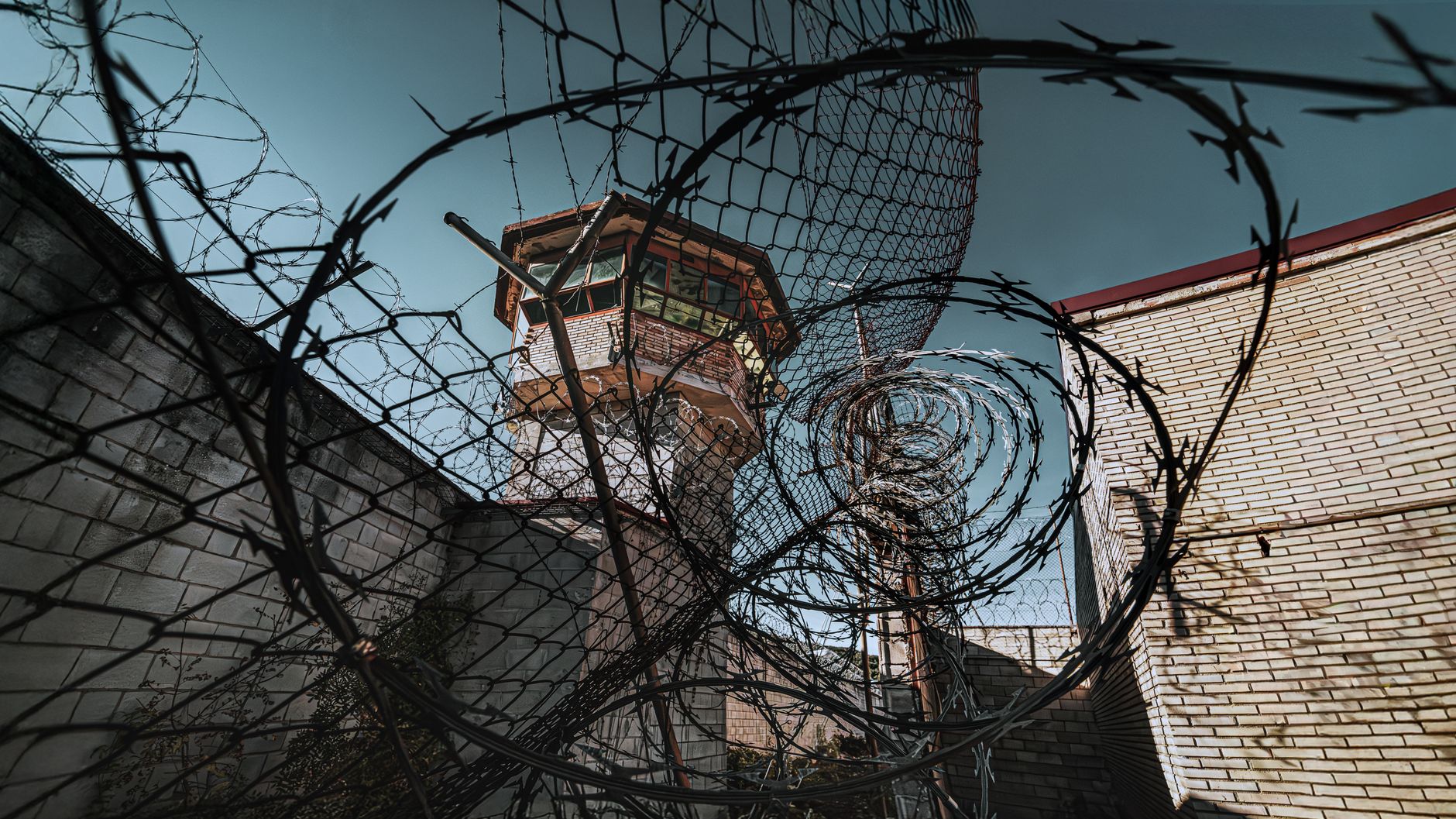
Democratic Rep. Delia Ramirez of Illinois announced legislation to terminate the billion‑dollar surveillance tower system that monitors the U.S. southern border, citing a recent MIT Technology Review investigation that linked roughly 1,100 deaths to the towers between 2015 and early 2026.
Key Takeaways
- Rep. Ramirez plans to introduce the “Reimagining Safety Act,” which would dismantle the border‑tower program and restructure the Department of Homeland Security.
- MIT Technology Review’s “Dying on Camera” report found that about one‑quarter of analyzed border deaths occurred within the advertised range of the towers.
- The towers have cost roughly $1 billion, yet the Department of Homeland Security does not track their effectiveness or related fatalities.
- Advocacy groups Just Futures Law and Mijente helped shape the legislation, linking it to broader calls to replace DHS with a Department of Community Safety.
- Homeland Security Secretary Markwayne Mullin dismissed the proposal, calling it “never going to happen.”
| Metric | Value | Why it matters |
|---|---|---|
| Legislator | Rep. Delia Ramirez (D‑IL) | She chairs the Homeland Security Committee’s cybersecurity subcommittee, giving her leverage over DHS policy. |
| Proposed bill | Reimagining Safety Act | Aims to terminate the tower program and restructure DHS into a Department of Community Safety. |
| Deaths linked to towers | ~1,100 (2015‑2026) | Illustrates potential human cost and raises questions about the system’s efficacy. |
| Program cost | $1 billion | Public funds spent on technology that critics claim “just don’t work.” |
What the Reimagining Safety Act Proposes
The bill, drafted with input from community groups, local officials, and advocacy organizations Just Futures Law and Mijente, seeks to shut down the network of high‑resolution cameras, radar, and AI‑driven analytics that comprise the border‑tower system. In addition to eliminating the towers, the legislation calls for a comprehensive reorganization: the Department of Homeland Security would be replaced by a new Department of Community Safety, while the Cybersecurity and Infrastructure Security Agency (CISA), FEMA, TSA, and customs functions would be reassigned to existing federal entities.
The Surveillance Tower Program: Cost, Technology, and Controversy
Since its inception, the tower program has been billed as a “smart border” solution, integrating infrared sensors, facial‑recognition SDKs, and cloud‑based analytics pipelines that feed data to CBP operators. However, the Department of Homeland Security has never released a consolidated performance dashboard or an API endpoint that publicly reports success metrics. The lack of transparent data has fueled criticism that the system’s return on investment is unproven.
MIT Technology Review Findings: “Dying on Camera”
The investigation, published days before Ramirez’s announcement, examined border deaths recorded between 2015 and early 2026. It concluded that nearly one in four of those deaths occurred within the advertised detection range of the towers. The report also highlighted that DHS does not maintain a registry of tower‑related fatalities or any systematic assessment of the technology’s impact on migration flows.
“There's no question that DHS has to be dismantled. We need to provide them a road map in how we do it,” Ramirez said at a press conference in Chicago.
Political Landscape and Opposition
Ramirez’s push comes amid growing public calls to abolish ICE, especially after high‑profile incidents such as the shooting of delivery driver Wilber Rafael Garcés Pérez by an ICE agent in Austin, Texas. While some Democrats favor reform over outright dismantlement, Ramirez holds a unique position as both a member of the House committee that oversees DHS and the ranking member of its cybersecurity subcommittee.
Homeland Security Secretary Markwayne Mullin responded, “Radical leftists are calling to defund the police and abolish DHS. It’s NEVER going to happen.” CBP declined to comment immediately.
Potential Impact on Federal Agencies
If enacted, the Reimagining Safety Act would redistribute core DHS functions: CISA’s cybersecurity mandate could move to the Office of the National Cyber Director; FEMA might be absorbed by the Department of Health and Human Services; TSA responsibilities could shift to the Department of Transportation. Such realignment would require extensive API integration, data migration, and re‑training of personnel across multiple legacy systems.
Why it matters
The proposal challenges a multi‑billion‑dollar federal technology program that has operated with limited oversight. By linking the towers to a significant death toll, the legislation forces a debate on the ethics of AI‑driven surveillance at the border. Moreover, the broader restructuring of DHS could reshape how the federal government manages immigration, disaster response, and cybersecurity, setting precedents for future tech‑policy reforms.
Frequently asked questions
Who introduced the legislation to end the border towers?
Rep. Delia Ramirez, a Democrat from Illinois who serves on the House Homeland Security Committee, announced the plan to introduce the Reimagining Safety Act.
What does the Reimagining Safety Act aim to accomplish?
The bill seeks to terminate the surveillance tower program, dismantle the Department of Homeland Security, and create a new Department of Community Safety while reallocating existing DHS components to other federal agencies.
How many deaths are associated with the tower system?
MIT Technology Review’s “Dying on Camera” report identified roughly 1,100 deaths that occurred within the towers’ advertised range between 2015 and early 2026.
Which agencies would be affected by the proposed Department of Community Safety?
CISA, FEMA, TSA, and customs functions are slated to be transferred to other existing agencies under the proposal.
What is the response from DHS leadership?
Secretary of Homeland Security Markwayne Mullin dismissed the effort, labeling it a radical leftist agenda and stating it will never happen.
Bottom Line
Rep. Delia Ramirez’s Reimagining Safety Act puts the $1 billion border‑tower program under intense scrutiny by tying it to a reported 1,100 deaths and a lack of performance data, while also proposing a sweeping overhaul of the Department of Homeland Security. The bill faces steep political resistance, but it signals a growing demand for transparency and accountability in the nation’s border‑security technology.
The next few weeks will reveal whether the proposed legislation gains traction or remains a symbolic challenge to a deeply entrenched federal apparatus.
Reporting based on: original source.
Comments
Post a Comment