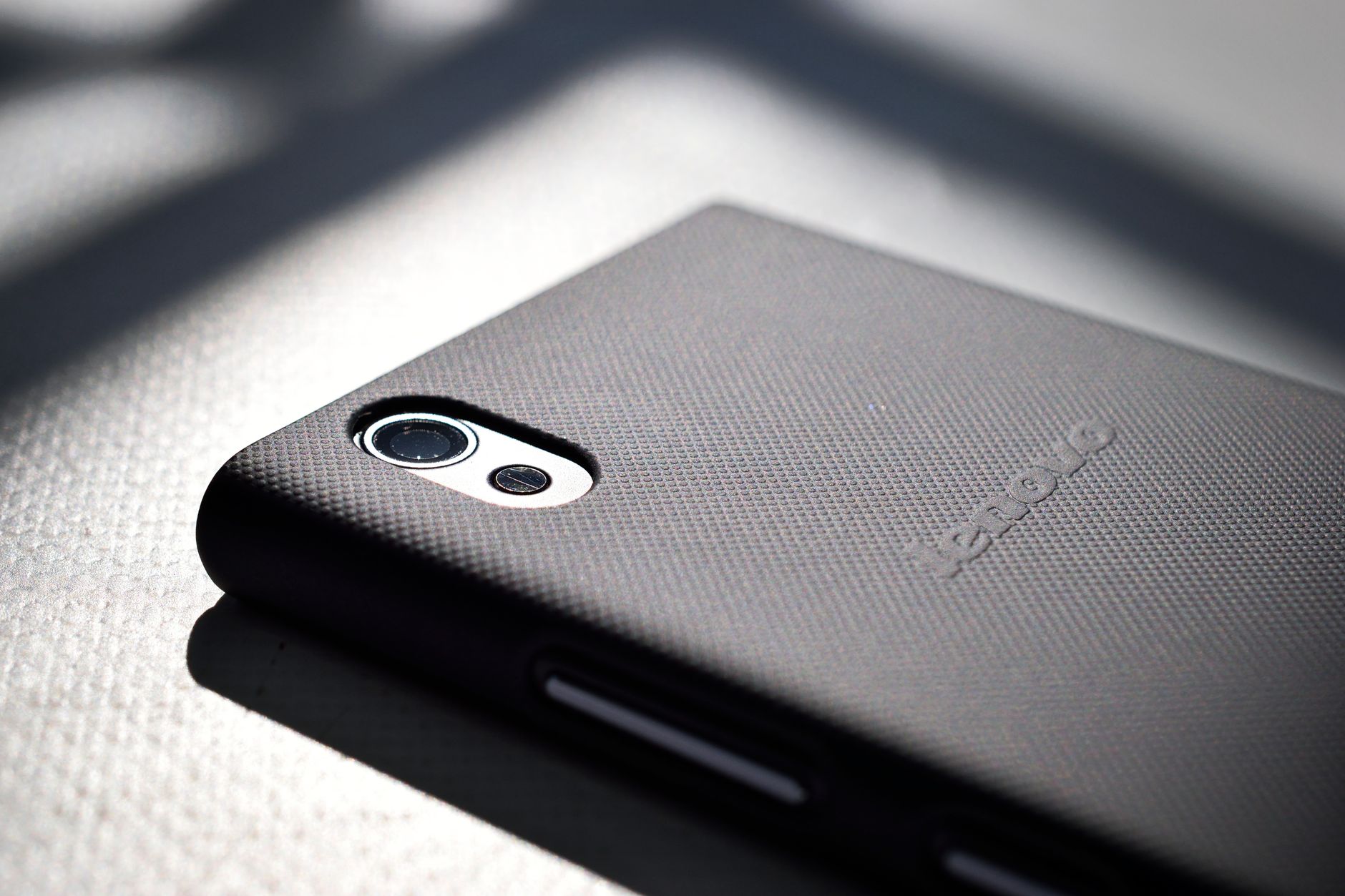
We've been taking a closer look at the Google Pixel 11 smartphone, which features several upgrades compared to the Pixel 9 and Pixel 10. The Pixel 11 boasts a 6.3-inch physical form factor, 12GB of RAM, and a base storage of 256GB, positioning it as a substantial improvement over its predecessors.
Key Takeaways
- The Pixel 11 has a 48MP main camera, a 13MP ultrawide camera, and supports 4K cinematic blur.
- The base storage of the Pixel 11 is 256GB, compared to the 128GB base storage of the Pixel 9.
- The price of the Pixel 11 has increased by $100 compared to the previous generation, now costing $899.
| Metric | Value | Why it matters |
|---|---|---|
| RAM | 12GB | Contributes to faster performance and smoother multitasking. |
| Base Storage | 256GB (Pixel 11), 128GB (Pixel 9) | Provides more storage space for apps, photos, and other data on the Pixel 11. |
| Main Camera | 48MP (Pixel 11), 50MP (Pixel 9) | Affects the quality of photos taken with the device, with the Pixel 11 having a slightly lower megapixel count. |
| Price | $899 (Pixel 11), $799 (previous generation) | Impacts consumer purchasing decisions due to the $100 price increase. |
What is the Pixel 11?
The Pixel 11 is Google's latest smartphone release, offering several upgrades over its predecessors, including the Pixel 9 and Pixel 10. While it may not be an earth-shattering upgrade, the Pixel 11 features a camera system redesign, a telephoto camera, and the Tensor G6 performance, which could make the phone faster while running cooler and potentially lasting longer.
The Details
In terms of specifications, the Pixel 11 has a 48MP main camera, a 13MP ultrawide camera, and supports 4K cinematic blur. The base storage of the Pixel 11 is 256GB, which is double the 128GB base storage of the Pixel 9. The Pixel 11 also features a 6.3-inch physical form factor and 12GB of RAM, making it a substantial improvement over its predecessors.
Context and Background
The price increase of the Pixel 11, now costing $899, may affect consumer purchasing decisions. This price increase is part of a general trend among consumer tech companies. The upgrades in the Pixel 11 could make the phone substantially faster and offer a different photo experience, which may justify the increased cost for some consumers.
Why it Matters
The release of the Pixel 11 and its upgrades matter because they offer consumers a new option for a high-performance smartphone with advanced camera capabilities. The price increase, however, may impact sales and consumer decisions, making it essential for potential buyers to weigh the benefits of the upgrades against the higher cost.
What are the key differences between the Pixel 11 and the Pixel 9?
The key differences between the Pixel 11 and the Pixel 9 include the camera system, with the Pixel 11 having a 48MP main camera and a 13MP ultrawide camera, compared to the 50MP main camera and 48MP ultrawide camera of the Pixel 9. The Pixel 11 also has more base storage, with 256GB compared to the 128GB of the Pixel 9.
Is the Pixel 11 worth the upgrade?
Whether the Pixel 11 is worth the upgrade depends on individual needs and priorities. For those who value the latest camera technology and faster performance, the Pixel 11 may be a worthwhile investment. However, for those on a budget or with less demanding requirements, the previous generation may still offer sufficient performance and features.
Where can I buy the Pixel 11?
The Pixel 11 is available for purchase from various retailers and online marketplaces, although specific details on availability and pricing may vary depending on the region and retailer.
Bottom Line
The Google Pixel 11 offers several upgrades over its predecessors, including a redesigned camera system, more base storage, and faster performance. While the price increase may impact consumer decisions, the Pixel 11 is a substantial improvement over the Pixel 9 and may be worth considering for those looking for a high-performance smartphone with advanced camera capabilities.
For more information on the Pixel 11, visit the Google Pixel website.
Reporting based on: original source.
Comments
Post a Comment